
Case Study: Successful Water-Saving Landscapes in Austin
Introduction to Water-Saving Landscapes
Austin, Texas, is known for its hot climate and frequent droughts, making water conservation a priority for residents. Many homeowners and businesses in the area have embraced water-saving landscapes as a means to reduce water usage while maintaining beautiful outdoor spaces. This case study explores some of the most successful water-saving landscapes in Austin, highlighting innovative techniques and practices.

Understanding Xeriscaping
Xeriscaping is a landscaping method that uses drought-resistant plants to reduce the need for irrigation. In Austin, xeriscaping has become a popular choice for both residential and commercial properties. By selecting native plants that thrive in the local climate, homeowners can create aesthetically pleasing landscapes that require minimal water.
Some popular plants for xeriscaping in Austin include yucca, agave, and various species of cacti. These plants not only conserve water but also add a unique visual appeal to any garden.
Implementing Rainwater Harvesting
Rainwater harvesting is another effective technique used in Austin's water-saving landscapes. By collecting and storing rainwater, residents can reduce their dependence on municipal water sources. This practice not only conserves water but also helps lower water bills.
Many properties have installed rain barrels or more elaborate systems to capture rainwater from rooftops. This water is then used for irrigation, providing a sustainable source of hydration for plants.

Incorporating Efficient Irrigation Systems
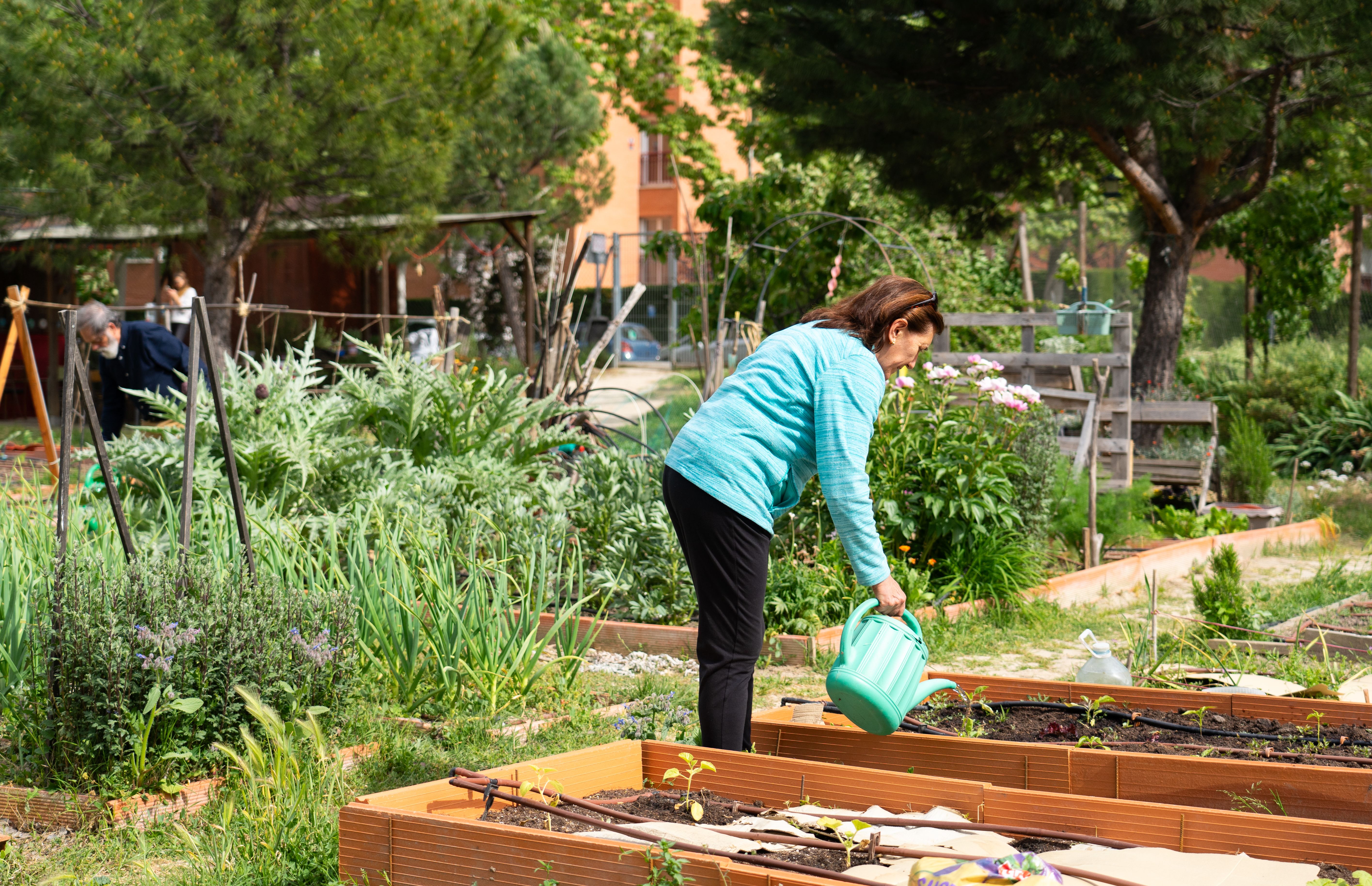
Efficient irrigation systems are critical for water-saving landscapes. In Austin, drip irrigation is a popular method that delivers water directly to the roots of plants, minimizing waste. Unlike traditional sprinkler systems, drip irrigation reduces evaporation and ensures that plants receive the necessary moisture without overwatering.
Smart irrigation controllers are also being used to further enhance water efficiency. These devices adjust watering schedules based on weather conditions, ensuring that landscapes receive optimal hydration without unnecessary water use.
Community Involvement and Education
Community involvement has played a significant role in promoting water-saving landscapes in Austin. Workshops and educational programs have been established to teach residents about the benefits and techniques of water conservation. By raising awareness and providing resources, these initiatives encourage more people to adopt sustainable landscaping practices.
Conclusion: The Impact of Water-Saving Landscapes
The successful implementation of water-saving landscapes in Austin demonstrates the potential for sustainable living in urban environments. These landscapes not only conserve water but also enhance the aesthetic appeal and environmental health of the community. As more people embrace these practices, Austin continues to set an example for cities facing similar challenges.
Whether through xeriscaping, rainwater harvesting, or efficient irrigation, the commitment to water conservation is evident. By investing in these innovative techniques, residents of Austin are paving the way for a greener and more sustainable future.