
Case Study: Transforming a Typical Austin Yard into an Eco-Friendly Oasis
Introduction to the Transformation
Austin, Texas, known for its vibrant culture and stunning landscapes, is also home to many traditional lawns that require significant water and maintenance. However, one homeowner decided to revolutionize their outdoor space by transforming their typical yard into an eco-friendly oasis. This case study explores the process and benefits of this transformation.
The goal was to create a sustainable environment that reduced water usage and supported local biodiversity. By incorporating native plants and innovative landscaping techniques, the homeowner achieved a beautiful and environmentally responsible yard.

Planning the Eco-Friendly Yard
The first step in this transformation was detailed planning. The homeowner consulted with a landscape architect specializing in sustainable design. Together, they identified key areas for improvement, including water conservation, plant selection, and soil health.
To ensure a successful transformation, they followed a structured approach:
- Assess the existing landscape and resources.
- Identify native plants that thrive in Austin's climate.
- Design a layout that maximizes space and aesthetics.
Selecting Native Plants
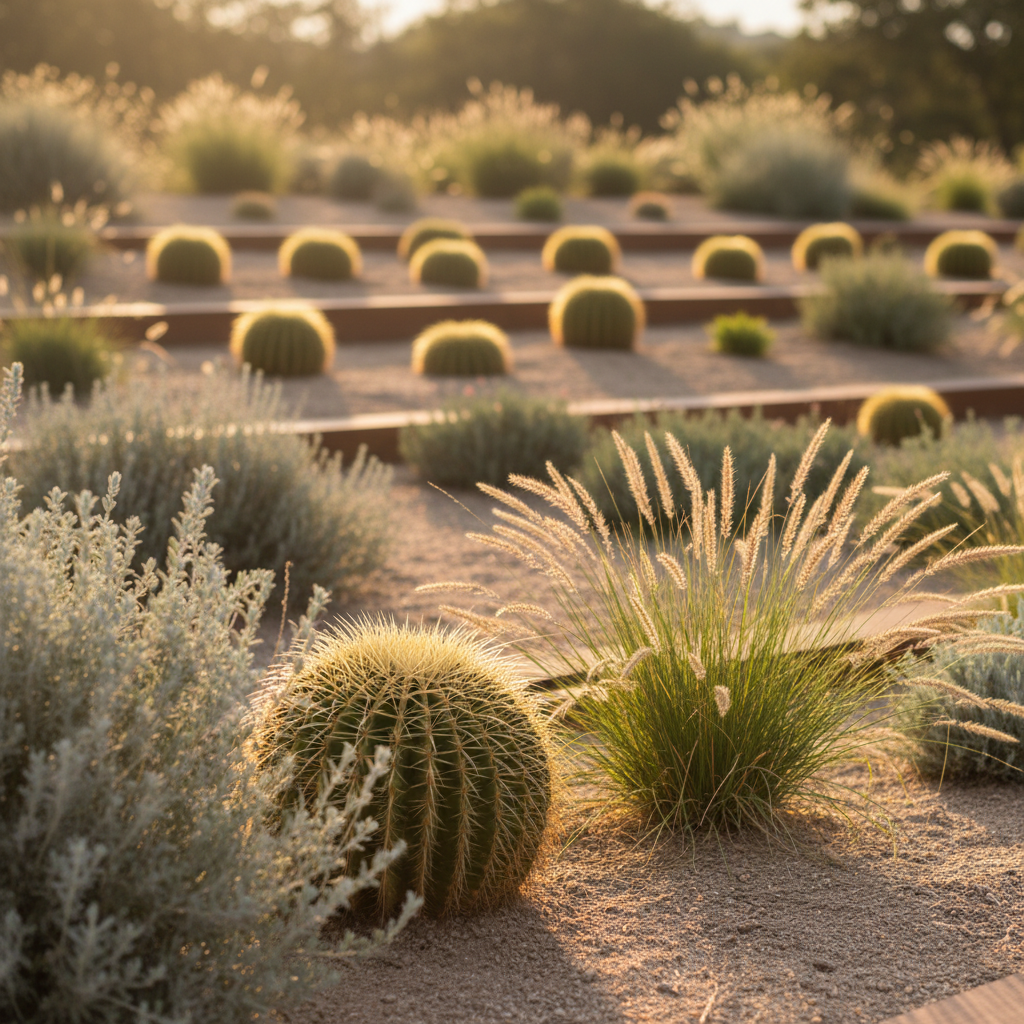
One of the most critical aspects of creating an eco-friendly yard is choosing the right plants. Native plants are adapted to the local climate and require less water and maintenance. In this case, the homeowner selected a variety of Texas natives, including Bluebonnets, Texas Sage, and Mexican Feathergrass.
Implementing Water-Saving Features
Water conservation was a top priority in this project. The homeowner installed a rainwater harvesting system to collect and store rainwater for irrigation. Additionally, they incorporated a drip irrigation system, which delivers water directly to the plant roots, minimizing waste.
Other techniques included using permeable paving materials that allow rainwater to seep into the ground and reduce runoff. This approach not only conserves water but also helps recharge the local aquifer.
Enhancing Soil Health
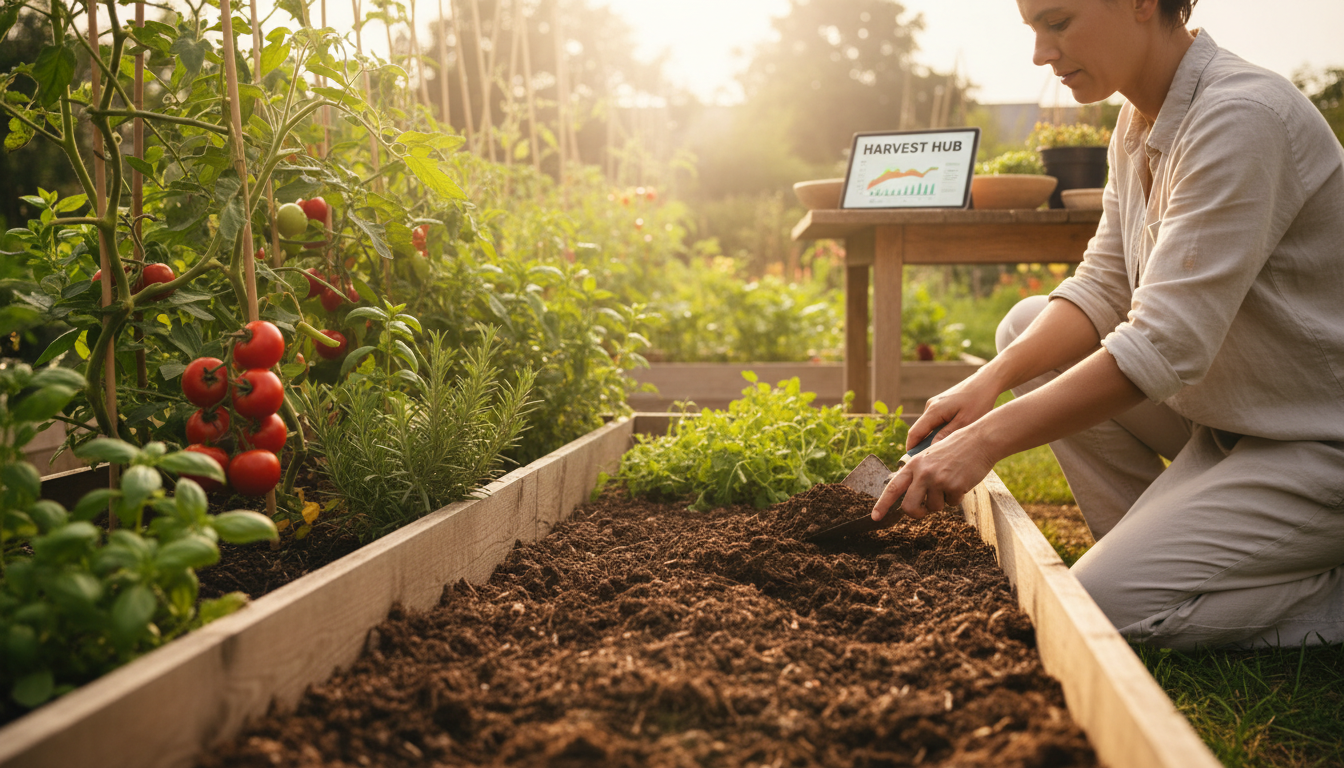
Healthy soil is essential for sustaining plant life and reducing the need for chemical fertilizers. The homeowner improved soil quality by adding organic compost and mulching. This method enriches the soil, retains moisture, and suppresses weeds naturally.
Benefits of an Eco-Friendly Yard
The transformation resulted in numerous benefits for both the homeowner and the environment. With reduced water usage and maintenance, the yard is now more cost-effective and sustainable. The diverse plant life attracts local wildlife, including birds and pollinators, enhancing the area's natural beauty.
Moreover, the yard serves as a model for others in the community, inspiring neighbors to consider sustainable landscaping options. The homeowner has received positive feedback and inquiries from others interested in making similar changes.
Conclusion
This case study demonstrates that transforming a typical yard into an eco-friendly oasis is not only feasible but also highly rewarding. By prioritizing sustainability and working with knowledgeable experts, homeowners can create beautiful landscapes that benefit the environment and add value to their property.
If you're considering a similar transformation, remember that every small change counts. Whether it's planting native species, installing water-saving systems, or improving soil health, each step contributes to a greener, more sustainable world.