
Common Lawn Care Mistakes and How to Avoid Them
Overwatering Your Lawn
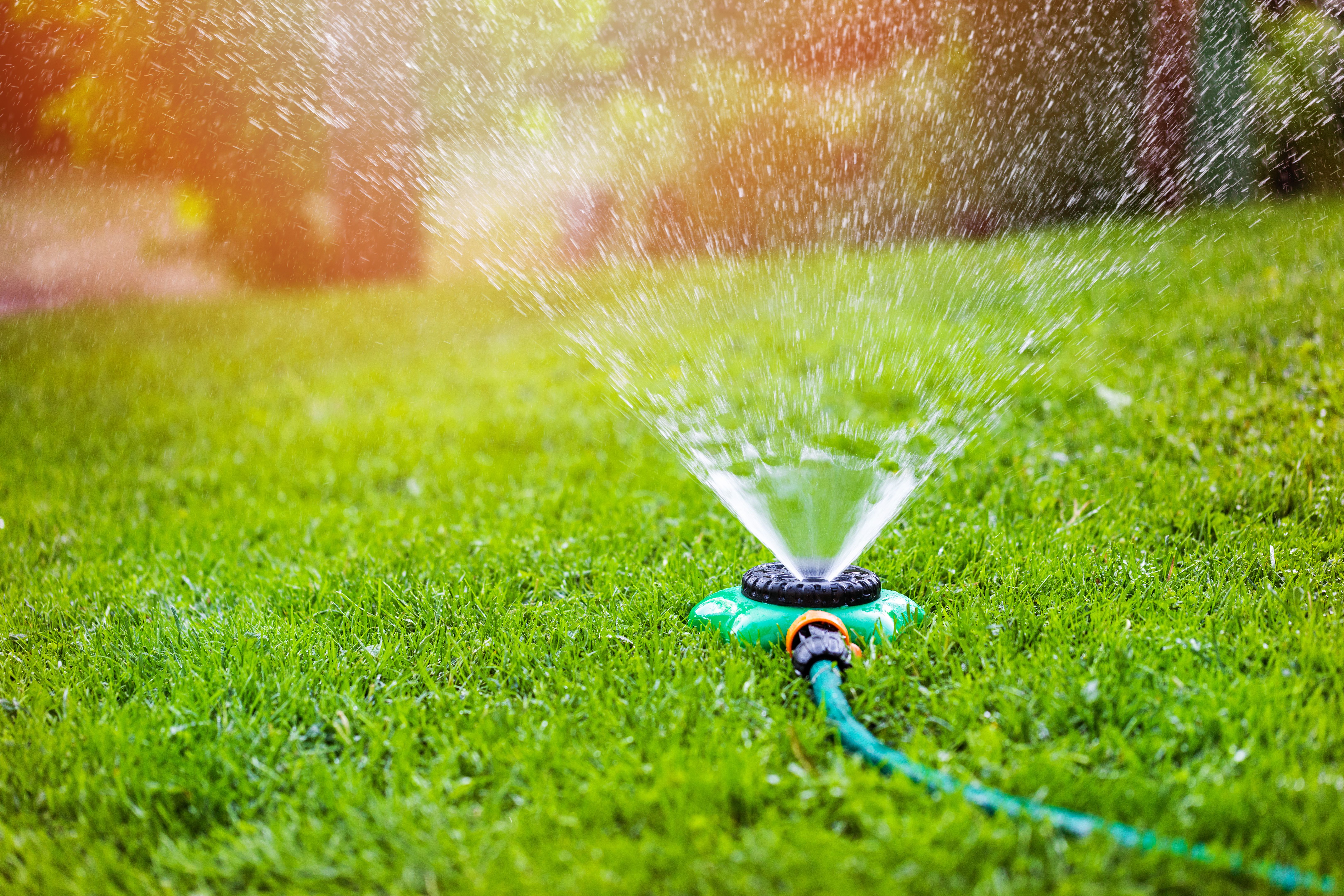
One of the most common lawn care mistakes is overwatering. While it may seem that more water equals a healthier lawn, excess moisture can lead to root rot and disease. It’s important to water deeply but infrequently, allowing the soil to dry out between watering sessions.
To avoid this mistake, consider investing in a rain gauge or soil moisture sensor. These tools help you determine when and how much to water. Typically, lawns need about one inch of water per week, including rainfall.
Improper Mowing Techniques
Mowing might seem straightforward, but improper techniques can damage your lawn. Cutting the grass too short, known as "scalping," weakens the grass and makes it more susceptible to pests and disease. Conversely, neglecting regular mowing can lead to overgrowth that is difficult to manage.
To maintain a healthy lawn, mow frequently enough to remove no more than one-third of the grass blade at a time. Adjust your mower blade to the right height for your grass type and keep it sharp to ensure a clean cut.

Ignoring Soil Health
Soil health is crucial for a vibrant lawn, yet it’s often overlooked. Compacted soil can stifle root growth and limit nutrient absorption. Regular aeration can help alleviate compaction, allowing air, water, and nutrients to penetrate the soil more effectively.
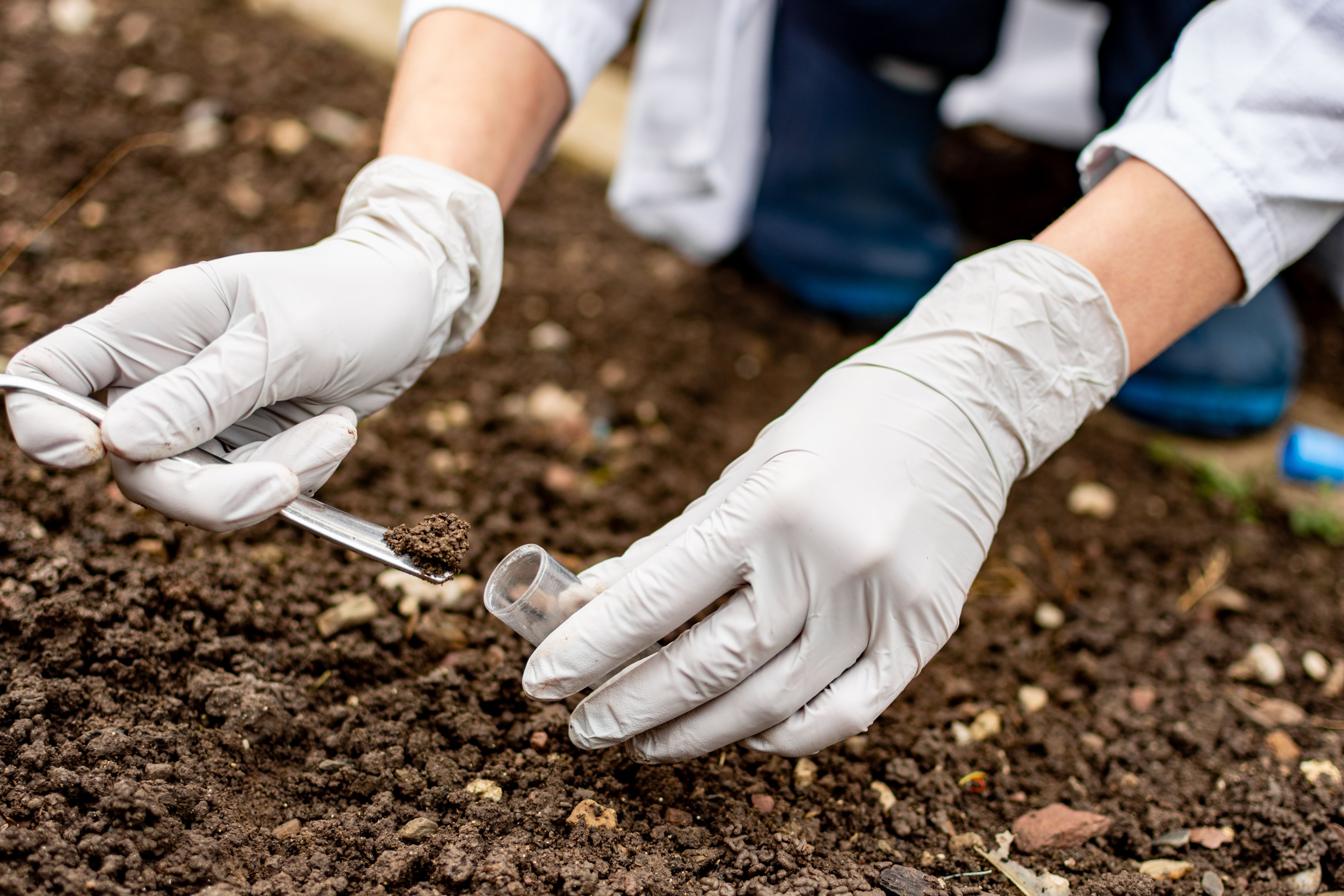
Testing your soil’s pH and nutrient levels can also make a big difference. Based on the results, you may need to amend the soil with lime or fertilizer to ensure optimal growth conditions.
Using the Wrong Fertilizer
Applying the wrong type or amount of fertilizer can harm your lawn more than help it. Each lawn has unique nutrient needs, and using the incorrect product can lead to nutrient imbalances, burning, or environmental harm due to runoff.
To avoid this, always read the labels and follow the instructions. Consider using a slow-release fertilizer and applying it according to the specific needs of your grass type and local climate conditions.
Neglecting Pest and Weed Control
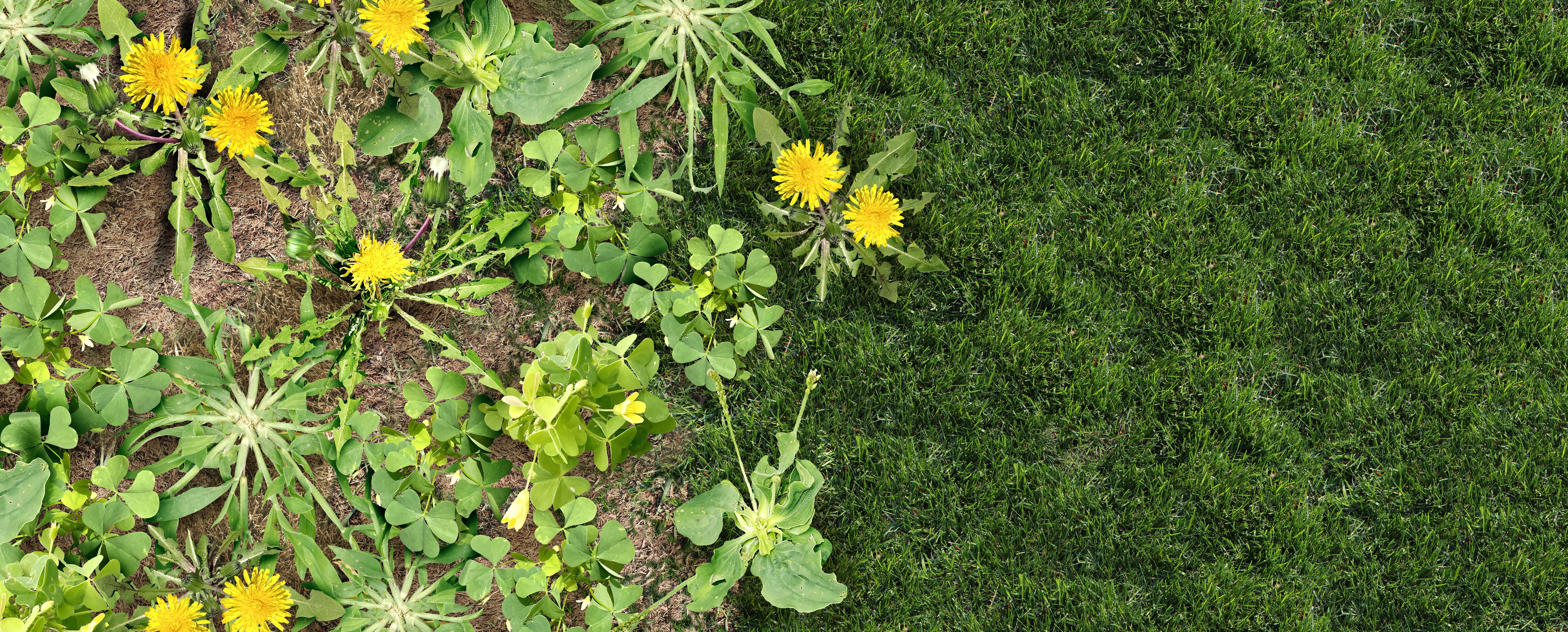
Overlooking pest and weed control can quickly turn a lush lawn into a patchy mess. Weeds compete with grass for nutrients, while pests can damage the roots and blades. Regular monitoring and timely intervention are crucial.
Implement an integrated pest management strategy that includes cultural, mechanical, and chemical controls. This balanced approach helps keep pests and weeds at bay without harming the environment.
Conclusion: Achieving a Healthy Lawn
By avoiding these common lawn care mistakes, you can maintain a healthy and beautiful lawn that enhances your home’s curb appeal. Remember, proper lawn care requires a balance of watering, mowing, soil management, fertilization, and pest control.
Armed with the right knowledge and tools, you can enjoy a lush, green lawn that serves as a perfect backdrop for outdoor activities and relaxation.