
Common Lawn Care Myths Debunked: What Every Homeowner Should Know
Understanding Lawn Care Myths
In the quest for the perfect lawn, homeowners often encounter a variety of tips and tricks. However, not all advice is created equal. Many common lawn care myths can actually hinder your lawn's health rather than help it. Let's explore some of these myths and uncover the truth you need to know.

Myth 1: Watering Daily is Essential
A frequent misconception is that lawns need daily watering to thrive. In reality, overwatering can lead to a shallow root system, making your lawn more susceptible to drought and disease. Instead, aim for deep, infrequent watering. This encourages roots to grow deeper into the soil, enhancing your lawn's resilience.
Typically, lawns only need about one inch of water per week, including rainfall. Adjust your watering schedule based on weather conditions to keep your lawn healthy and vibrant.
Myth 2: Shorter Grass Means Less Mowing
Many believe that cutting grass shorter will reduce the frequency of mowing. However, this can damage your lawn. Grass cut too short, also known as "scalping," weakens the grass by reducing its ability to photosynthesize and gather nutrients.
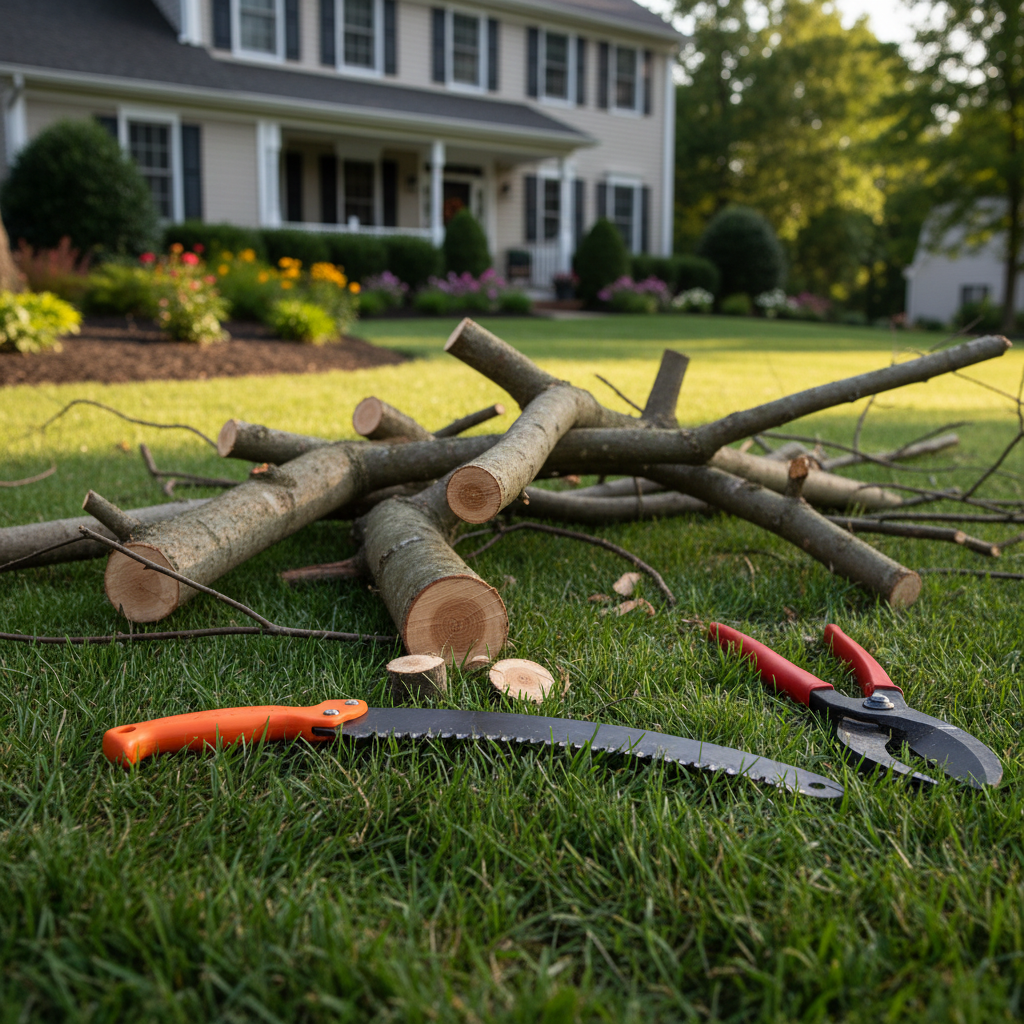
Maintain a grass height of about 3 inches for most lawns. This height supports a strong root system and helps to shade the soil, reducing weed growth.
Myth 3: Fertilizer is a Fix-All Solution
While fertilizer is important, it is not a cure-all for lawn issues. Over-fertilizing can lead to nutrient runoff, harming the environment and potentially burning your lawn. It's crucial to apply the right type and amount of fertilizer for your specific grass type and soil conditions.
Conduct a soil test to determine nutrient deficiencies and follow recommended guidelines for fertilization. This ensures your lawn gets exactly what it needs without excess.
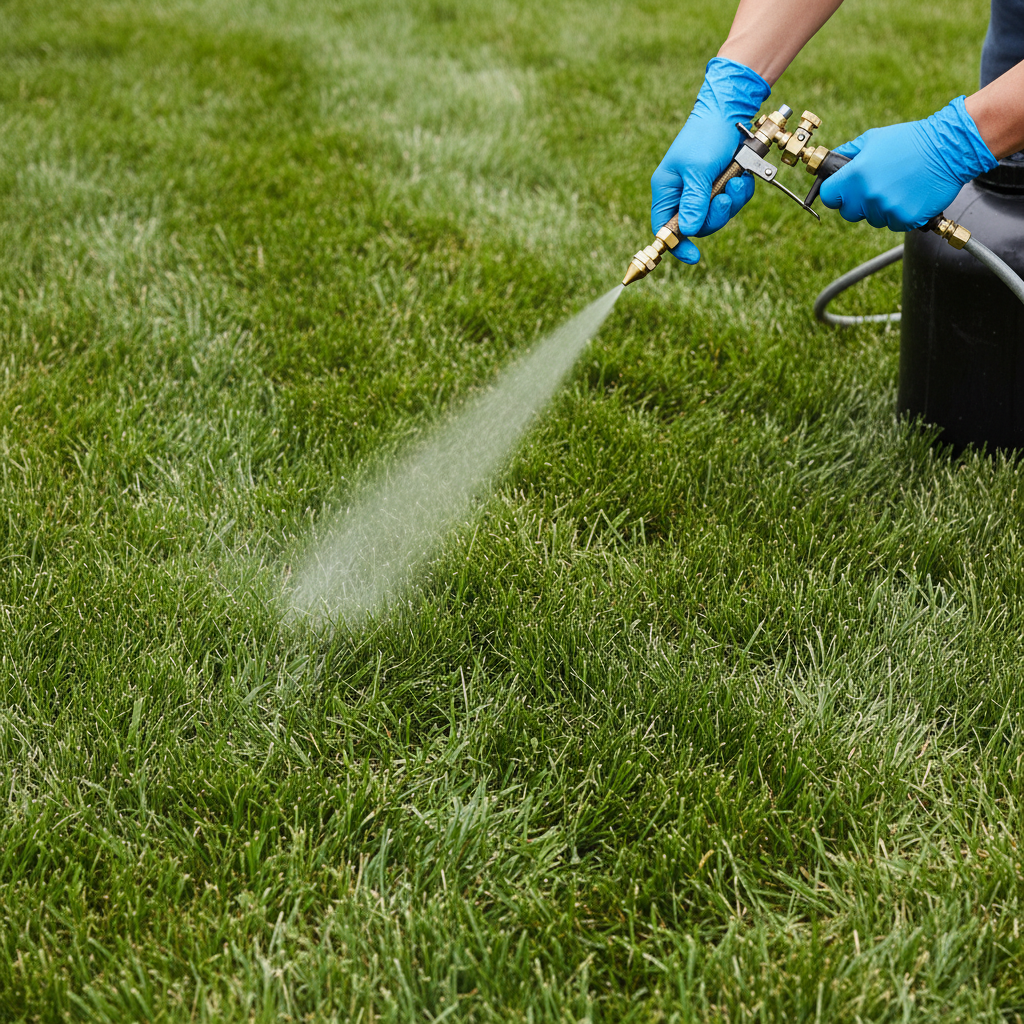
Myth 4: Weeds Are Best Tackled with Chemicals
It's a common practice to reach for chemical herbicides at the first sign of weeds. However, over-reliance on chemicals can damage your lawn and the environment. A healthy lawn is the best defense against weeds.
Focus on proper lawn care practices such as appropriate mowing, watering, and fertilization to naturally reduce weed presence. If weeds persist, consider targeted treatments rather than widespread chemical use.
Myth 5: All Grass Types Are the Same
Assuming all grass types have the same needs can lead to poor lawn health. Different varieties require different care, from watering and fertilizing schedules to mowing heights.
Research the specific needs of your grass type to tailor your lawn care practices accordingly. This will ensure your lawn looks its best year-round.
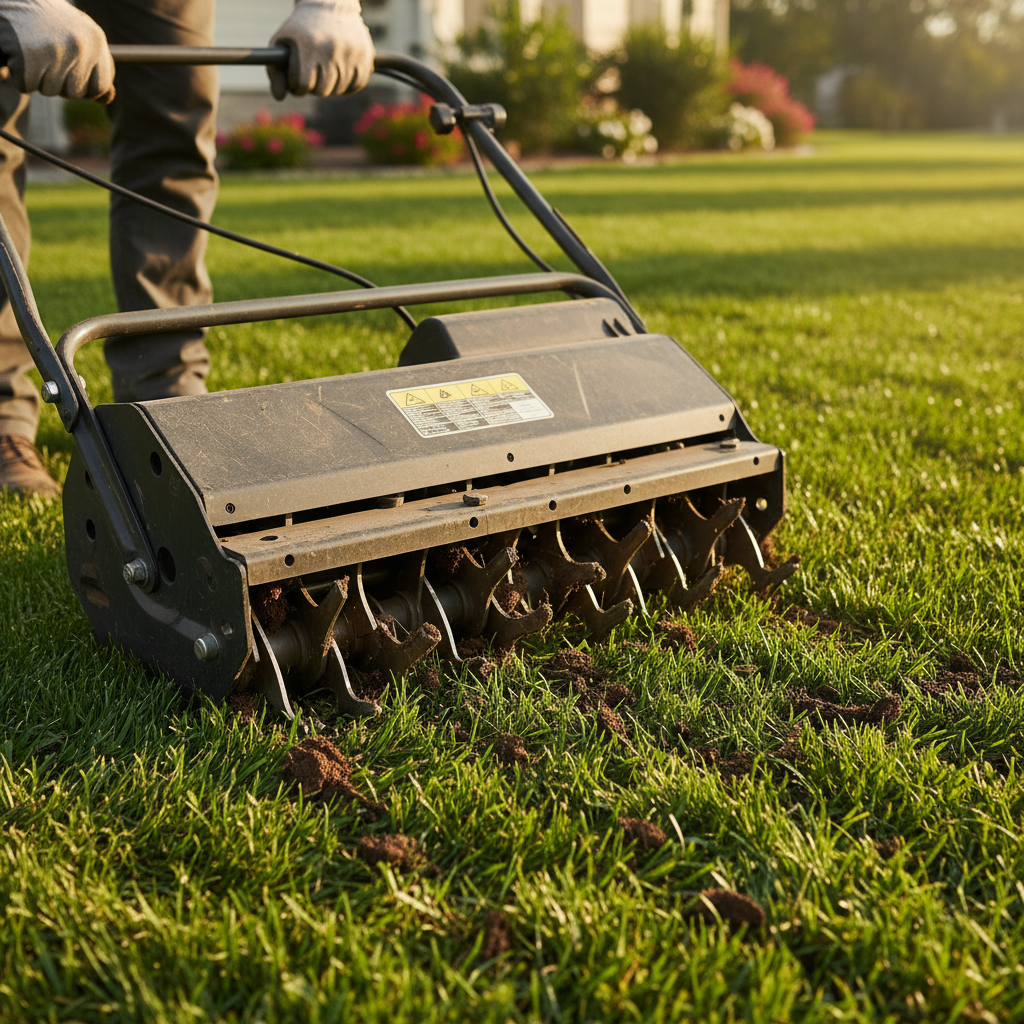
By debunking these common lawn care myths, homeowners can adopt more effective practices, leading to a healthier, more vibrant lawn. Remember, informed care is the key to a thriving outdoor space.