
Creating a Sustainable Garden in Austin: Tips and Tricks
Understanding Austin’s Climate
Austin, Texas, is known for its hot summers and mild winters, making it a unique environment for gardening. To create a sustainable garden here, it's crucial to understand the local climate. The region experiences long periods of drought, so choosing plants that thrive in dry conditions is essential.

Native plants are particularly well-suited for this climate. They require less water and are more resistant to local pests and diseases. By incorporating native species, you can create a garden that is both beautiful and sustainable.
Choosing the Right Plants
When planning your garden, consider using a mix of native and adapted plants. Some excellent choices for Austin include:
- Turk’s Cap: A hardy perennial that attracts hummingbirds.
- Blackfoot Daisy: A drought-tolerant flower that blooms throughout the summer.
- Texas Sage: Known for its vibrant purple blooms and ability to thrive in dry soil.
These plants not only conserve water but also support local wildlife by providing food and shelter.
Water Conservation Techniques
Water conservation is a key aspect of sustainable gardening in Austin. Implementing efficient watering techniques can significantly reduce water usage. Consider installing a drip irrigation system, which delivers water directly to the plant roots and minimizes evaporation.
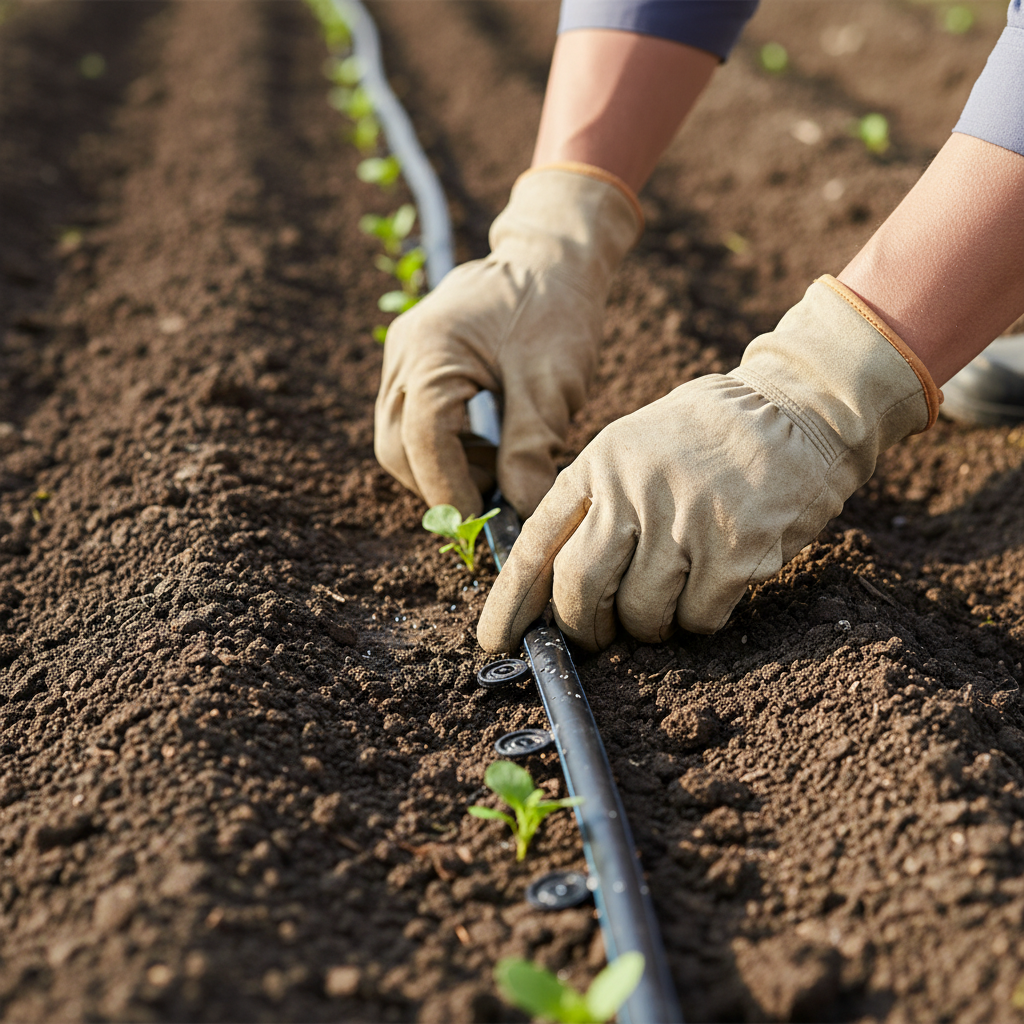
Additionally, mulching is an effective way to retain soil moisture. Use organic materials like wood chips or straw to cover the soil, reducing the need for frequent watering.
Soil Management
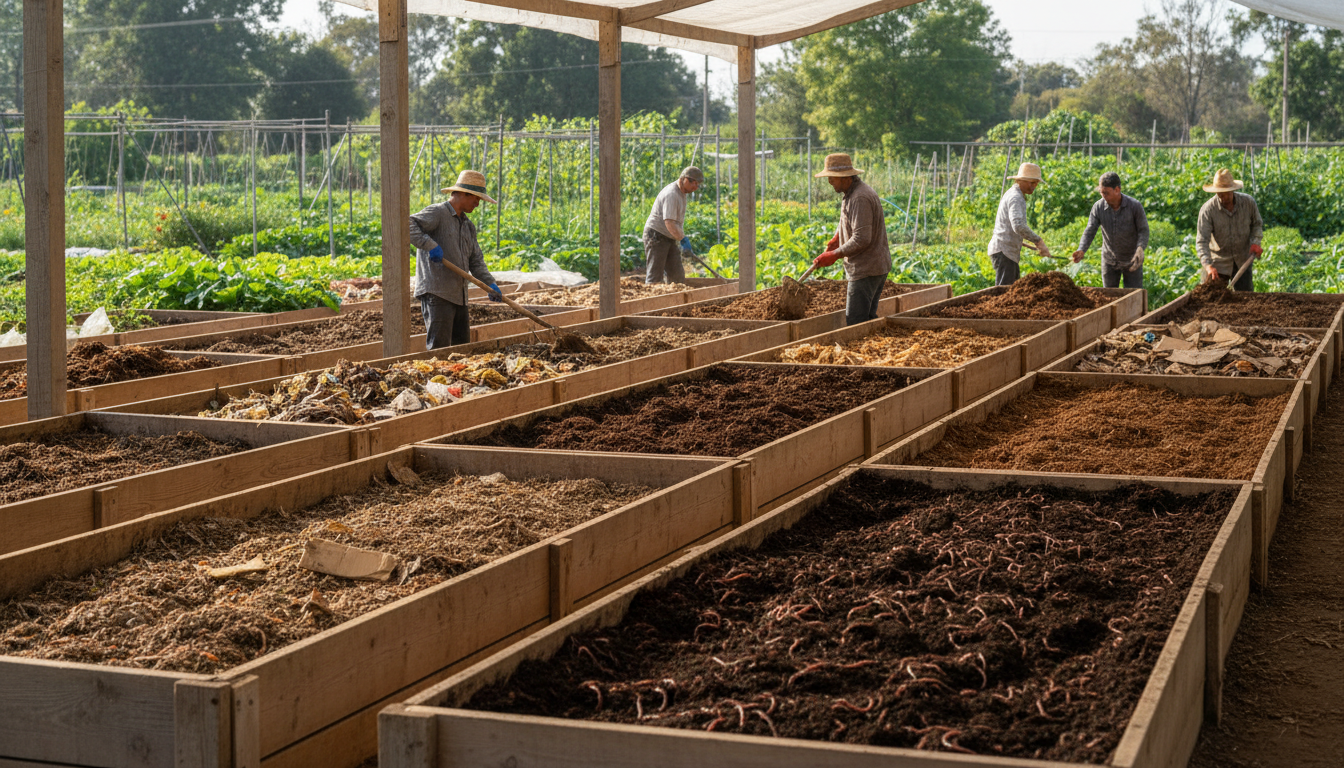
Healthy soil is the foundation of a thriving garden. In Austin, the soil can be rocky and low in nutrients. To improve soil quality, consider adding organic compost. Compost enriches the soil, improves drainage, and promotes the growth of beneficial microorganisms.
Regularly testing your soil can also help you understand its nutrient levels and pH balance, allowing you to make necessary adjustments for optimal plant health.
Attracting Beneficial Insects
A sustainable garden is one that works in harmony with nature. Encouraging beneficial insects like bees and ladybugs can naturally control pests and enhance pollination. Planting flowers such as lavender and sunflowers can attract these helpful insects to your garden.
Creating habitats like rock piles or small water features can also provide shelter for these creatures, further promoting a balanced ecosystem.
Conclusion
Creating a sustainable garden in Austin is a rewarding endeavor that contributes positively to the environment. By selecting the right plants, conserving water, managing soil health, and encouraging beneficial insects, you can enjoy a thriving garden that requires minimal resources. Embrace these practices, and watch your garden flourish in harmony with the local ecosystem.