
DIY Eco-Friendly Landscaping: Transform Your Austin Yard on a Budget
Transforming your yard into a beautiful, sustainable space doesn't have to break the bank. With Austin's unique climate and vibrant natural landscape, creating an eco-friendly garden is both practical and rewarding. By embracing DIY methods, you can cultivate a lush, green sanctuary while minimizing your environmental impact.
Start with Native Plants
One of the easiest ways to design an eco-friendly landscape is by incorporating native plants. These plants are adapted to the local climate and require less water and maintenance. In Austin, consider options like Texas Sage, Blackfoot Daisy, and Gulf Muhly Grass. These resilient plants attract local wildlife and contribute to the ecosystem's health.
When selecting plants, visit local nurseries or participate in plant swaps with neighbors to save money and discover unique varieties. Not only will native plants thrive in your garden, but they'll also provide seasonal color and interest.
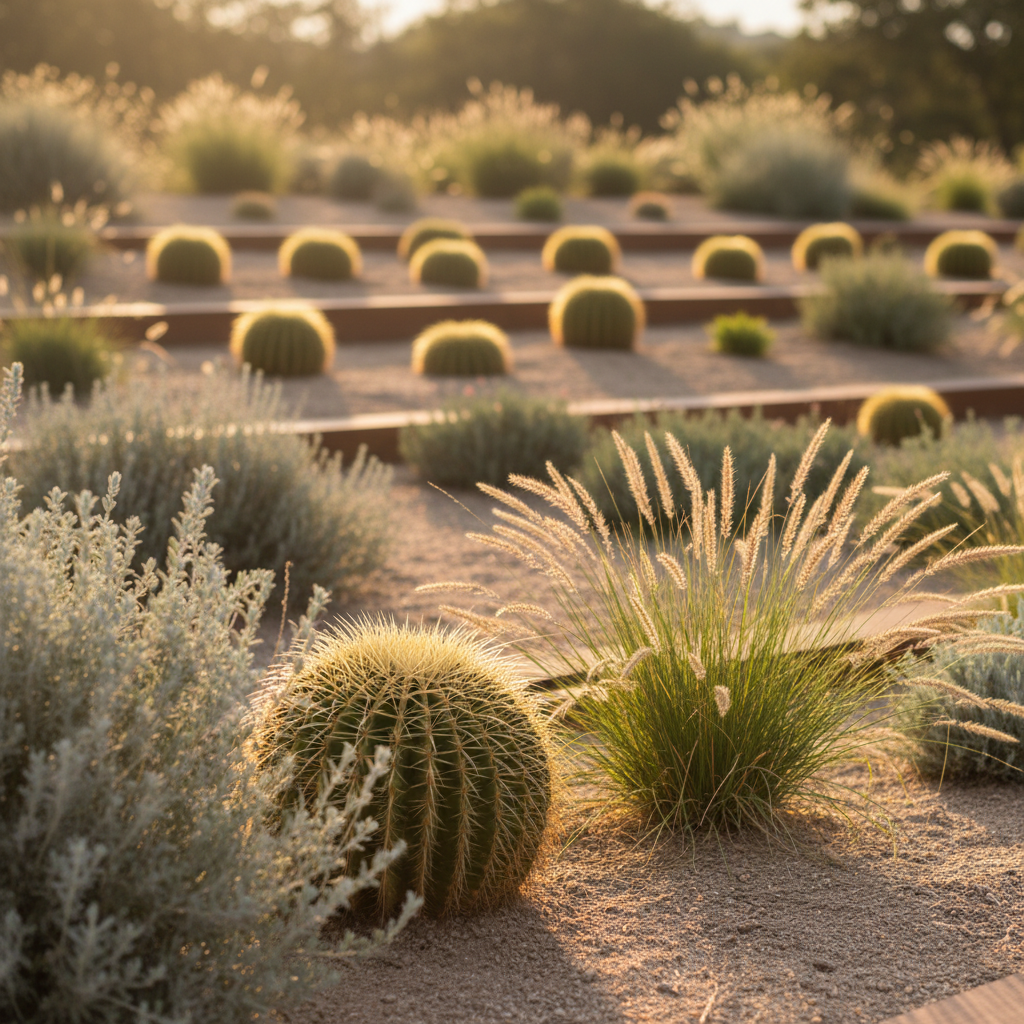
Implement Water-Saving Techniques
Water conservation is crucial in an eco-friendly landscape. Start by installing a rain barrel to collect rainwater from your roof. This free water source can be used to hydrate your garden during dry spells. Drip irrigation systems are another cost-effective way to deliver water directly to plant roots, reducing evaporation and waste.
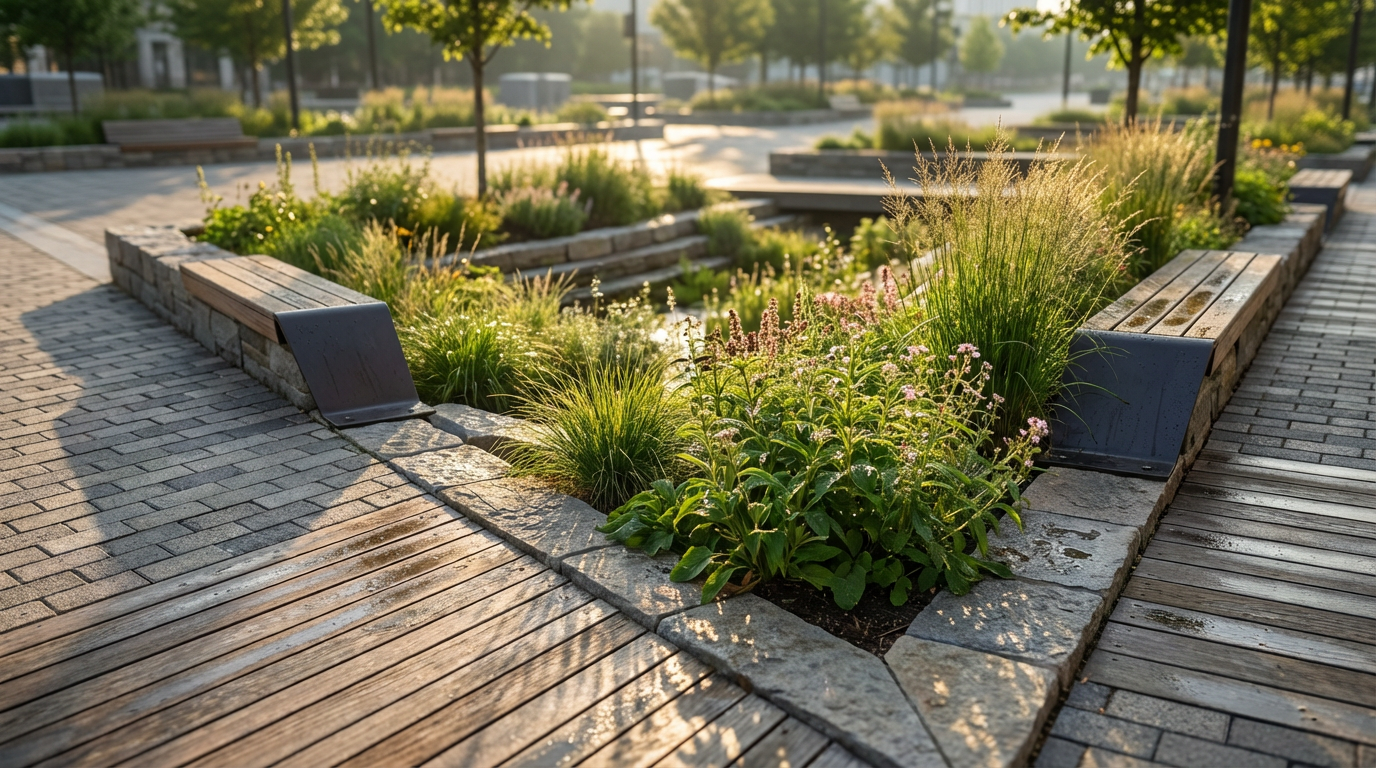
Consider creating a rain garden, a shallow depression designed to capture and absorb runoff. By planting water-loving plants in this area, you can reduce erosion and support local biodiversity.
Create Functional Hardscapes
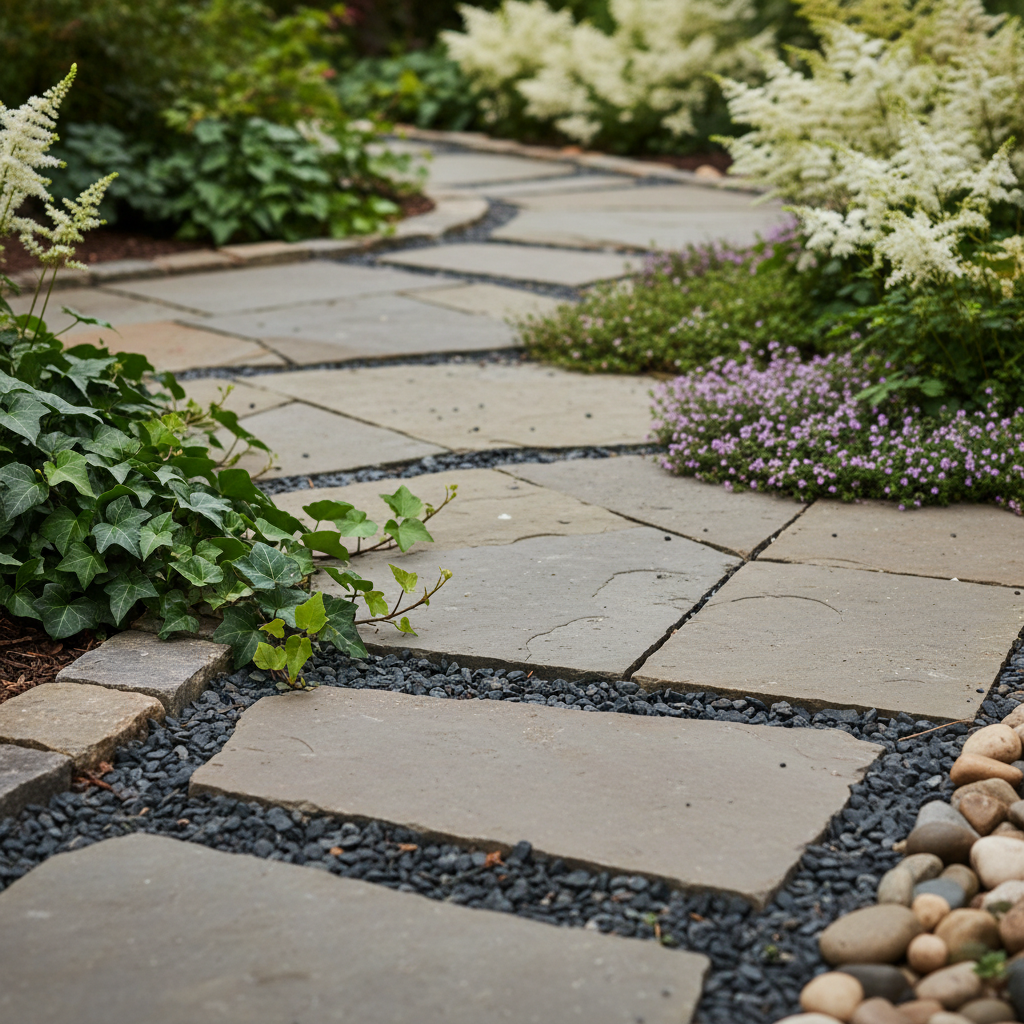
Hardscapes like pathways and patios can enhance the usability of your yard while reducing the need for lawn maintenance. Use recycled materials such as reclaimed wood, bricks, or stones to construct these features at a fraction of the cost.
Permeable materials, like gravel or decomposed granite, are excellent choices for pathways as they allow rainwater to filter through, minimizing runoff. Incorporate curves and organic shapes to blend seamlessly with the natural environment.
Compost and Mulch
Composting is an effective way to recycle kitchen scraps and yard waste into nutrient-rich soil. By starting a compost pile, you'll reduce landfill waste and enhance your garden's fertility. Use this compost to nourish your plants and improve soil structure.
Mulching is another sustainable practice that helps retain soil moisture, suppress weeds, and regulate temperature. Apply a layer of organic mulch, like wood chips or straw, around your plants to create a healthy growing environment.
Incorporate Wildlife Habitats
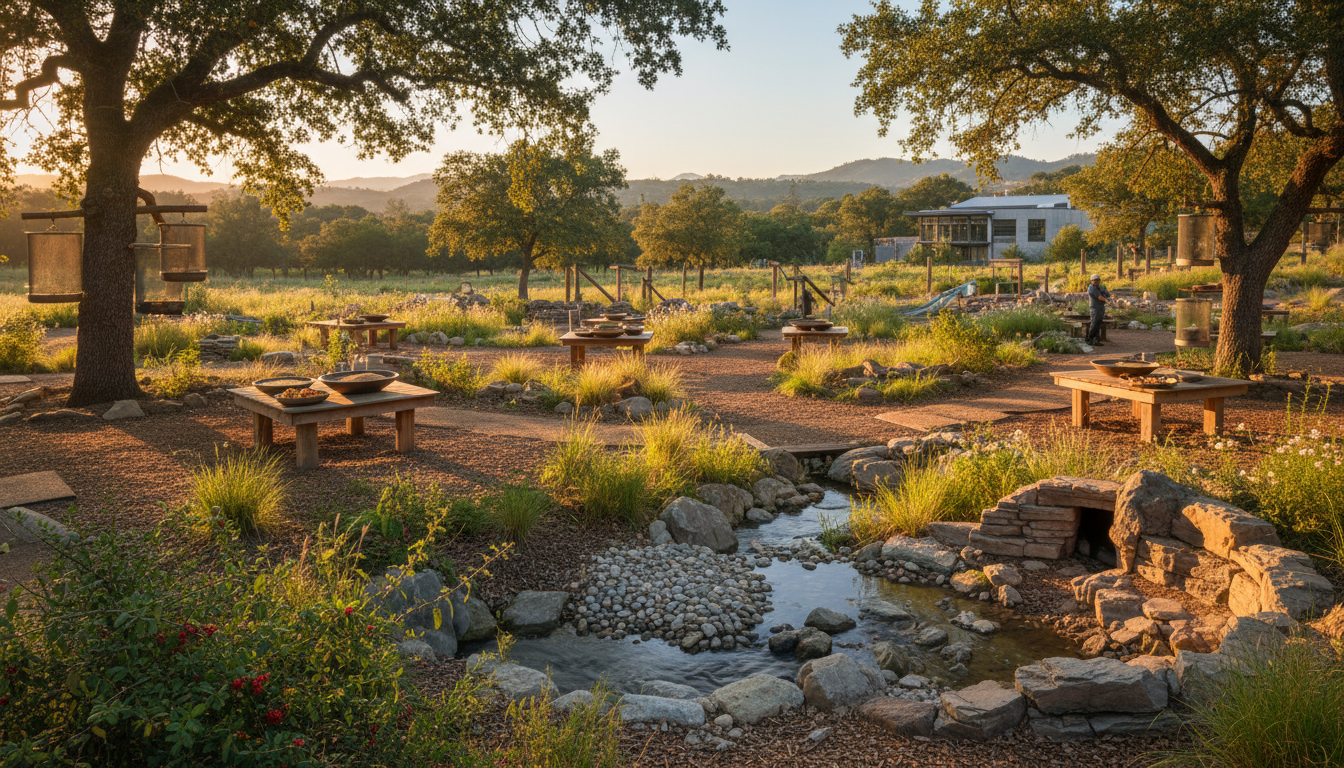
Encourage biodiversity by incorporating elements that attract local wildlife. Birdhouses, bee hotels, and butterfly gardens provide essential habitats for pollinators and other beneficial creatures. Choose plants with nectar-rich flowers to support these visitors.
A small water feature, such as a birdbath or pond, can also attract wildlife. Ensure these features are safe and accessible for animals by providing shallow edges and clean water.
Conclusion
With a little creativity and effort, you can transform your Austin yard into an eco-friendly oasis. By focusing on native plants, water-saving techniques, sustainable materials, and wildlife-friendly practices, you'll create a beautiful, low-maintenance landscape that benefits both you and the environment.