
DIY Eco-Friendly Lawn Care: Simple Steps for a Greener Yard
Understanding Eco-Friendly Lawn Care
Creating a greener, eco-friendly lawn doesn't have to be complicated. By making a few simple changes, you can maintain a lush, healthy yard while minimizing your environmental impact. Eco-friendly lawn care focuses on natural practices that promote sustainability and reduce chemical use.
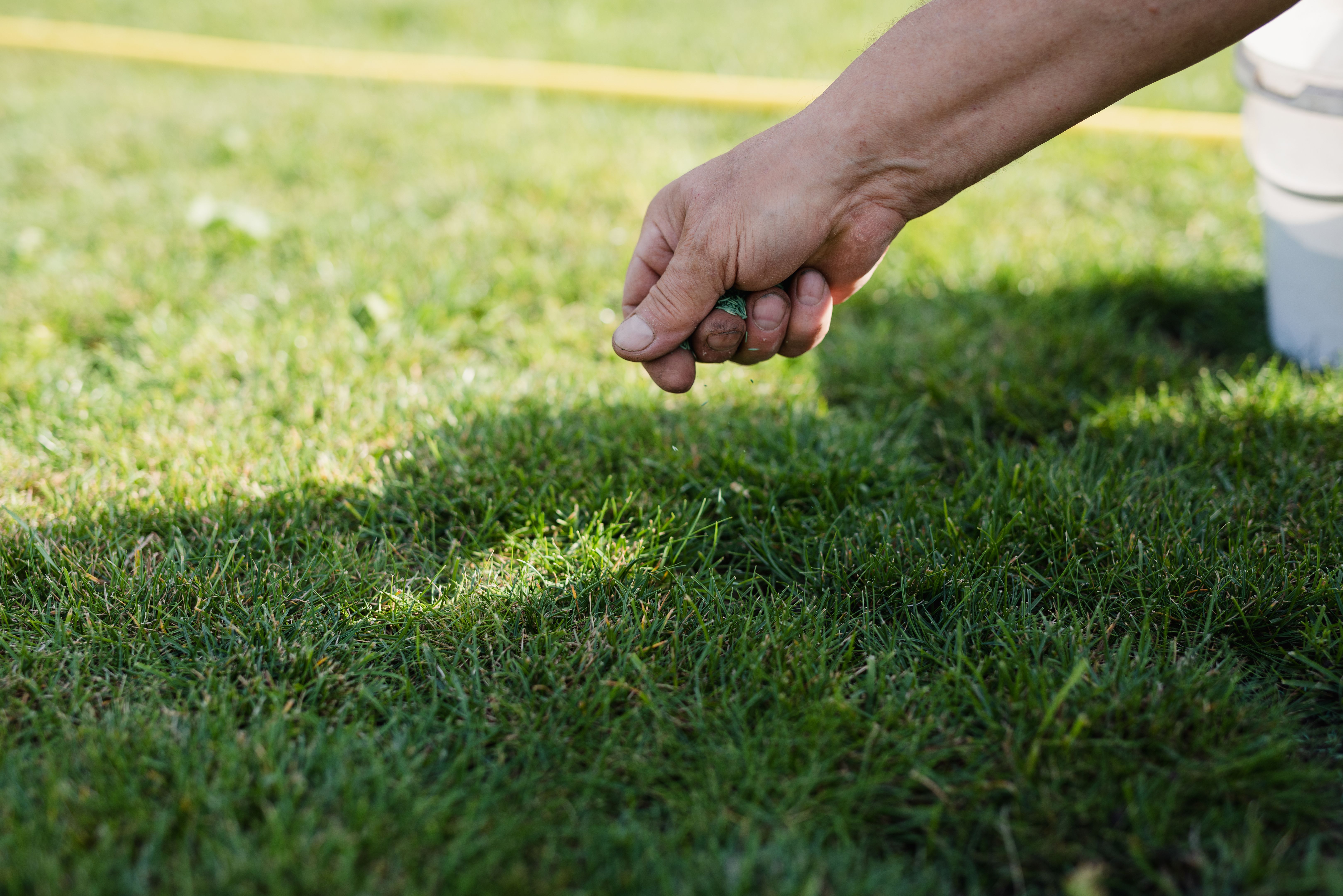
One of the most effective ways to achieve this is by using organic fertilizers. These products enrich the soil with essential nutrients without the harmful chemicals found in conventional fertilizers. By switching to organic options, you not only improve your lawn's health but also protect local waterways from pollution.
Water Wisely
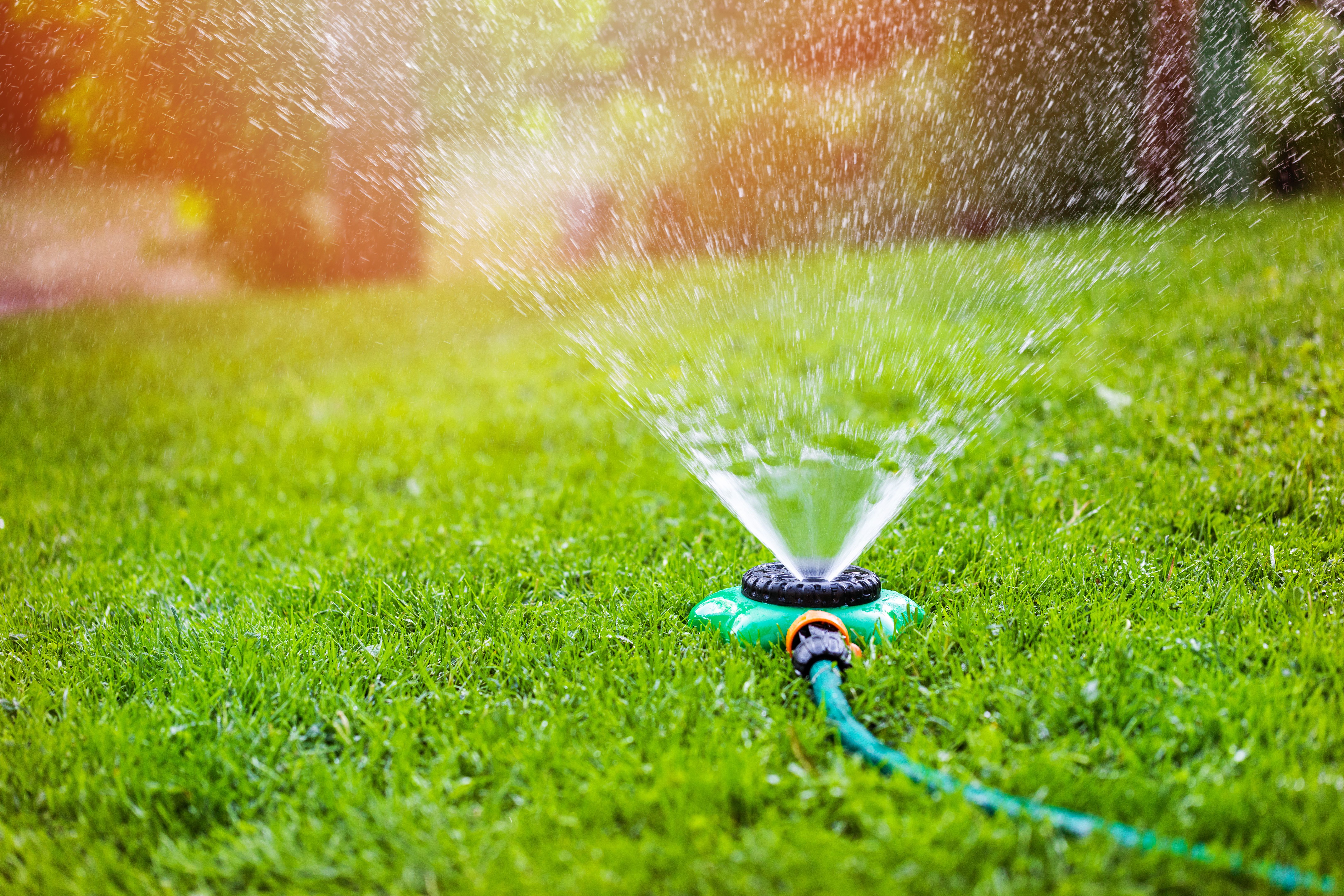
Water conservation is a crucial component of eco-friendly lawn care. Overwatering not only wastes precious resources but can also lead to fungal diseases and shallow root growth. To water wisely, consider installing a rain sensor system that adjusts irrigation based on rainfall.
Additionally, watering in the early morning or late afternoon reduces evaporation. Aim to water deeply and infrequently, encouraging deep root growth and a more drought-resistant lawn. Implementing these strategies can significantly reduce your water usage.
Embrace Native Plants
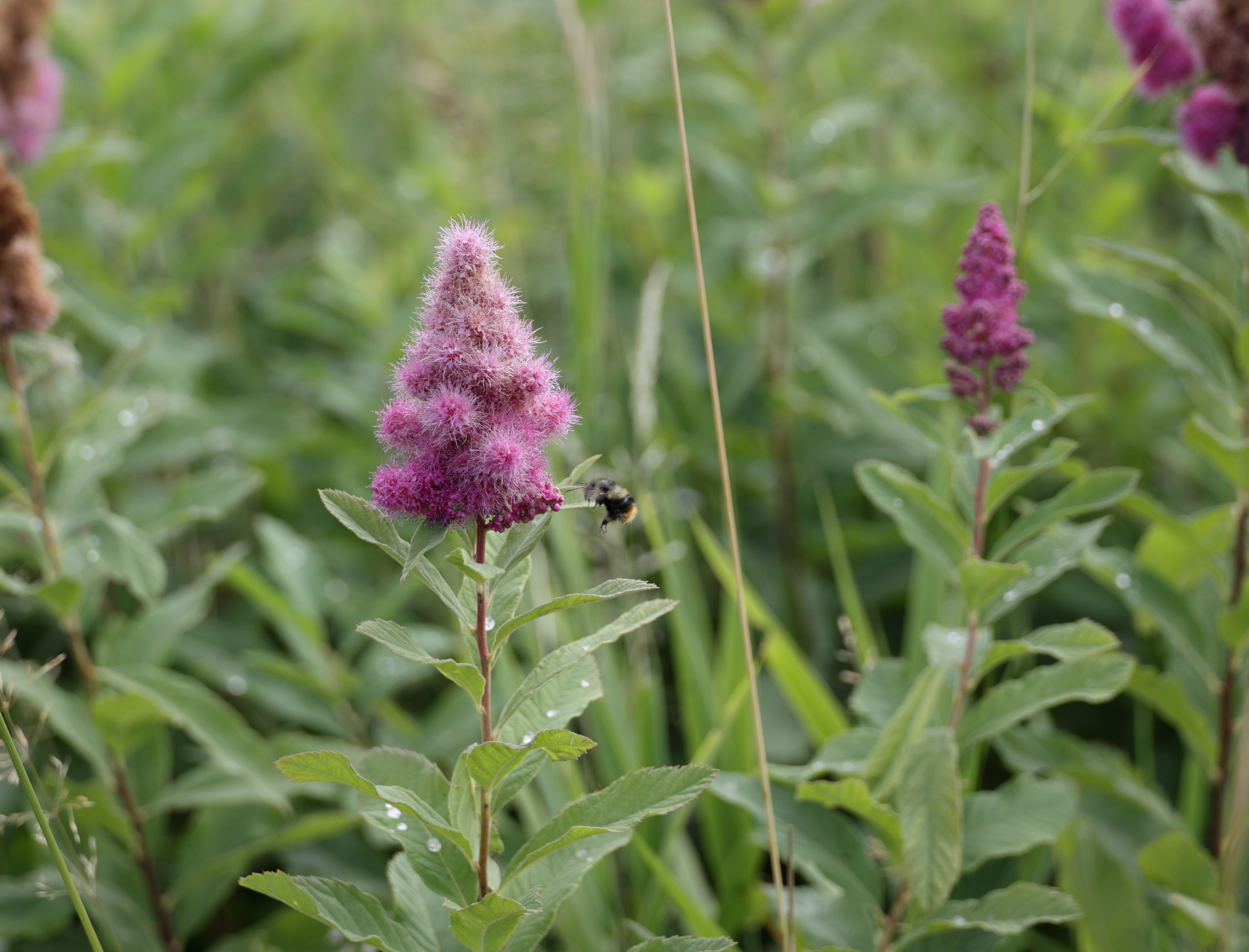
Incorporating native plants into your lawn design is a smart and sustainable choice. Native plants are adapted to the local climate and soil conditions, requiring less water and maintenance. They also provide essential habitats for local wildlife, promoting biodiversity.
Creating a diverse landscape with native plants can enhance your yard's beauty while supporting the ecosystem. Consider replacing some turf areas with native ground covers or flowering plants to create a balanced, eco-friendly environment.
Composting for a Healthier Lawn
Composting is a fantastic way to recycle yard waste and nourish your lawn naturally. By composting grass clippings, leaves, and other organic material, you create a rich, nutrient-dense amendment for your soil. This practice reduces the need for chemical fertilizers and enhances soil structure.
To start composting, set up a designated compost area in your yard and regularly turn the pile to speed up the decomposition process. In time, you'll have a supply of compost to spread over your lawn, boosting its health and vitality.
Natural Pest Control
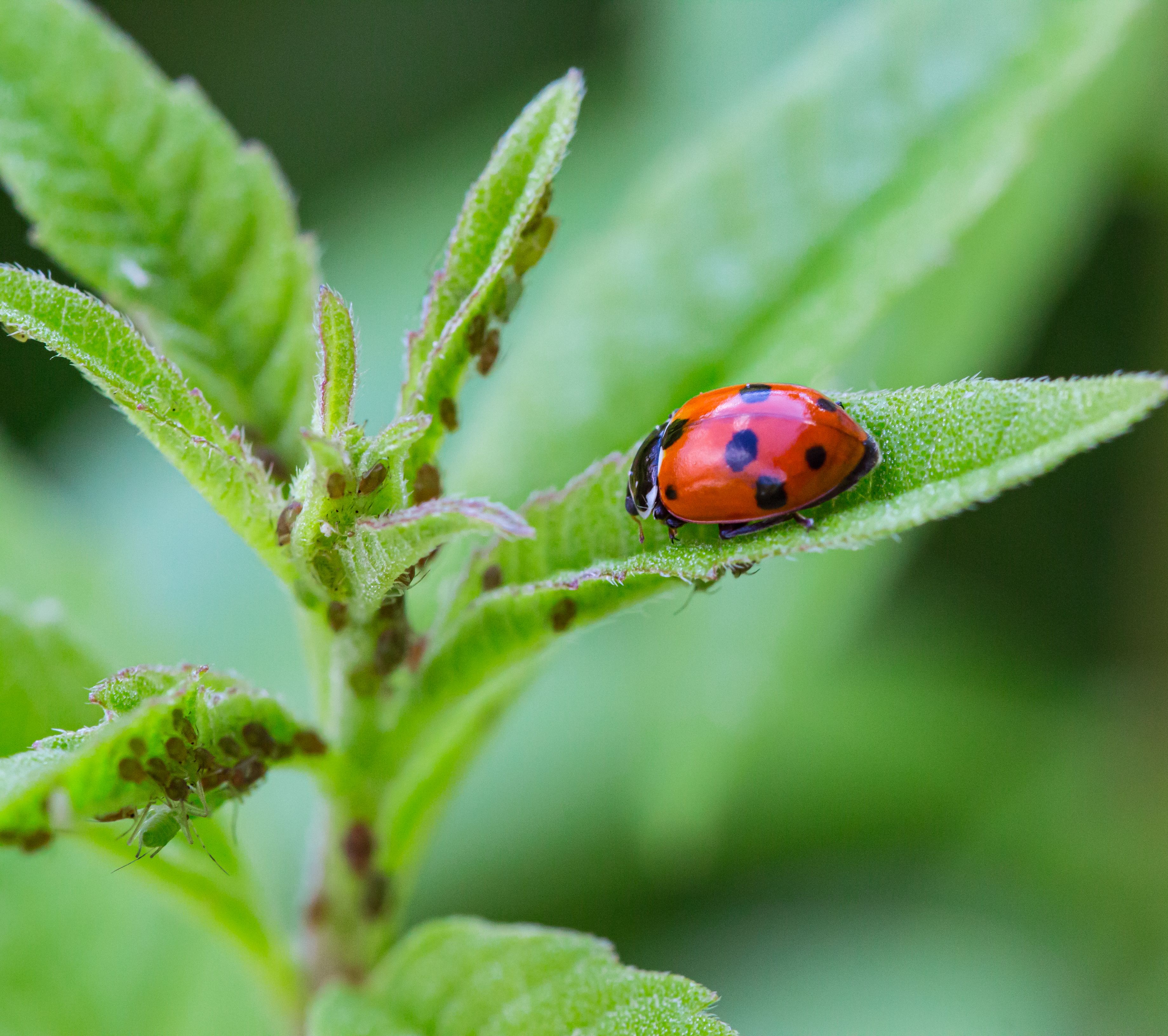
Keeping pests in check without harmful chemicals is another key aspect of eco-friendly lawn care. Introduce beneficial insects like ladybugs and predatory mites to combat common pests naturally. These helpful creatures can significantly reduce the need for pesticides.
Additionally, maintaining healthy soil and plant diversity can make your lawn less susceptible to pest infestations. Regularly aerate your lawn and keep it well-fed with organic matter to create a robust, resilient yard.
Conclusion
By following these simple steps, you can transform your lawn into a sustainable, eco-friendly oasis. Not only will you enjoy a healthier yard, but you'll also contribute to a cleaner, greener environment. Embrace these practices and watch your lawn thrive naturally.