
DIY Lawn Care: Expert Tips for Maintaining Your Austin Yard
Understanding Austin's Climate
Austin's unique climate poses specific challenges when it comes to lawn care. With hot summers and mild winters, moisture levels can fluctuate significantly. Understanding these conditions is crucial for maintaining a healthy lawn. The first step is to choose the right grass type that thrives in Austin’s environment, such as Bermuda or St. Augustine.
Water conservation is essential in this region. Implementing efficient irrigation systems can help ensure your lawn gets the right amount of water without wastage. Investing in a smart irrigation controller can adjust watering schedules based on weather forecasts.

Soil Preparation and Fertilization
Preparing the soil is a fundamental part of lawn care. Start by testing the soil's pH levels and nutrient content. This will guide your fertilization strategy, ensuring that your lawn gets the nutrients it needs. Aim to fertilize during the growing seasons—spring and fall—using a slow-release fertilizer to promote steady growth.
Organic options, such as compost or manure, can enrich the soil without the harsh chemicals found in some synthetic fertilizers. These options are not only eco-friendly but also enhance soil structure and water retention.

Mowing Techniques
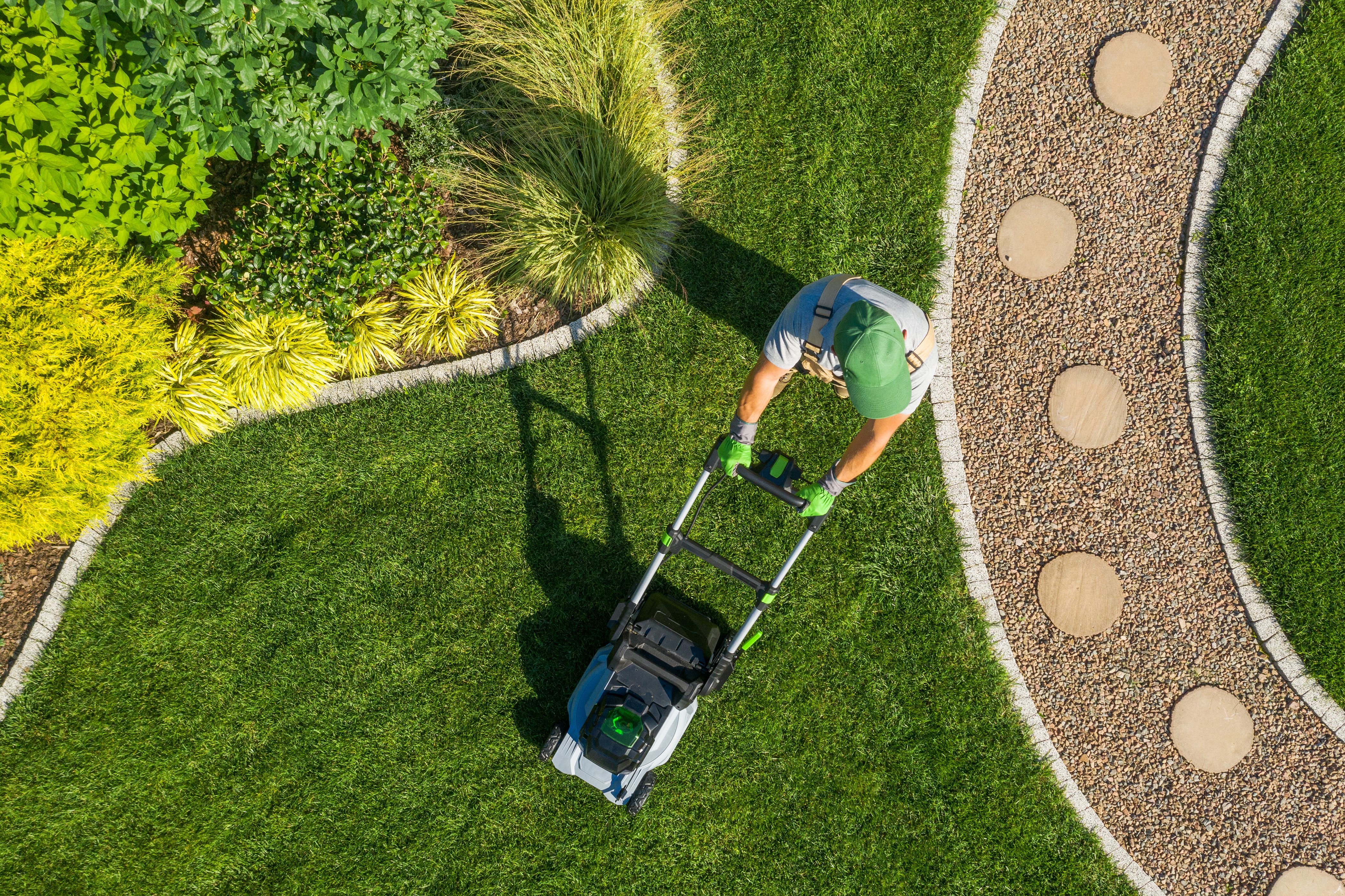
Proper mowing is crucial for lawn health. Ensure your mower blades are sharp to avoid tearing the grass, which can lead to disease. The ideal mowing height varies depending on the grass type, but generally, you should never cut more than one-third of the grass height at a time.
- Mow frequently during the growing season.
- Adjust the mower height based on weather conditions.
- Leave grass clippings on the lawn to decompose and return nutrients to the soil.
Pest and Weed Control
Austin’s climate can also be conducive to pests and weeds. Integrated Pest Management (IPM) strategies can help manage these issues sustainably. Begin by identifying the types of weeds and pests present and choose targeted treatments to minimize chemical use.
For weed control, maintaining a healthy, dense lawn is your best defense. Overseeding thin areas can prevent weeds from gaining a foothold. Consider using herbicides as a last resort and always follow the manufacturer's instructions.
Seasonal Lawn Care Tips
Adapting your lawn care routine to the changing seasons is vital. In spring, focus on aeration and overseeding to encourage new growth. Summer requires diligent watering and mowing, while autumn is the time for fertilization and weed control. Winter may involve less active maintenance but keep an eye on any early signs of disease.
- Spring: Aerate and overseed.
- Summer: Water deeply and mow regularly.
- Fall: Fertilize and control weeds.
- Winter: Monitor for diseases.
By following these expert tips, you can maintain a vibrant and healthy lawn in Austin. Remember, the key to successful DIY lawn care is understanding your local climate and adapting your practices accordingly. With a little effort and the right strategies, your yard can become a lush and inviting space year-round.