
DIY Lawn Care: Maintain a Lush Lawn Like a Pro
Understanding Your Lawn's Needs
Maintaining a lush lawn is not just about regular watering and mowing; it requires understanding the specific needs of your grass. Different grass types thrive in different climates and soil conditions. Knowing whether your lawn is composed of warm-season or cool-season grass is the first step in crafting an effective care routine.
Soil Testing and Preparation
Before you dive into planting or reseeding, conduct a soil test. This will help you determine the pH level and identify any nutrient deficiencies. You can purchase a soil testing kit online or from your local garden center. Based on the results, you may need to amend your soil with lime to adjust acidity or add fertilizers to boost nutrient levels.
Aeration and Thatch Management
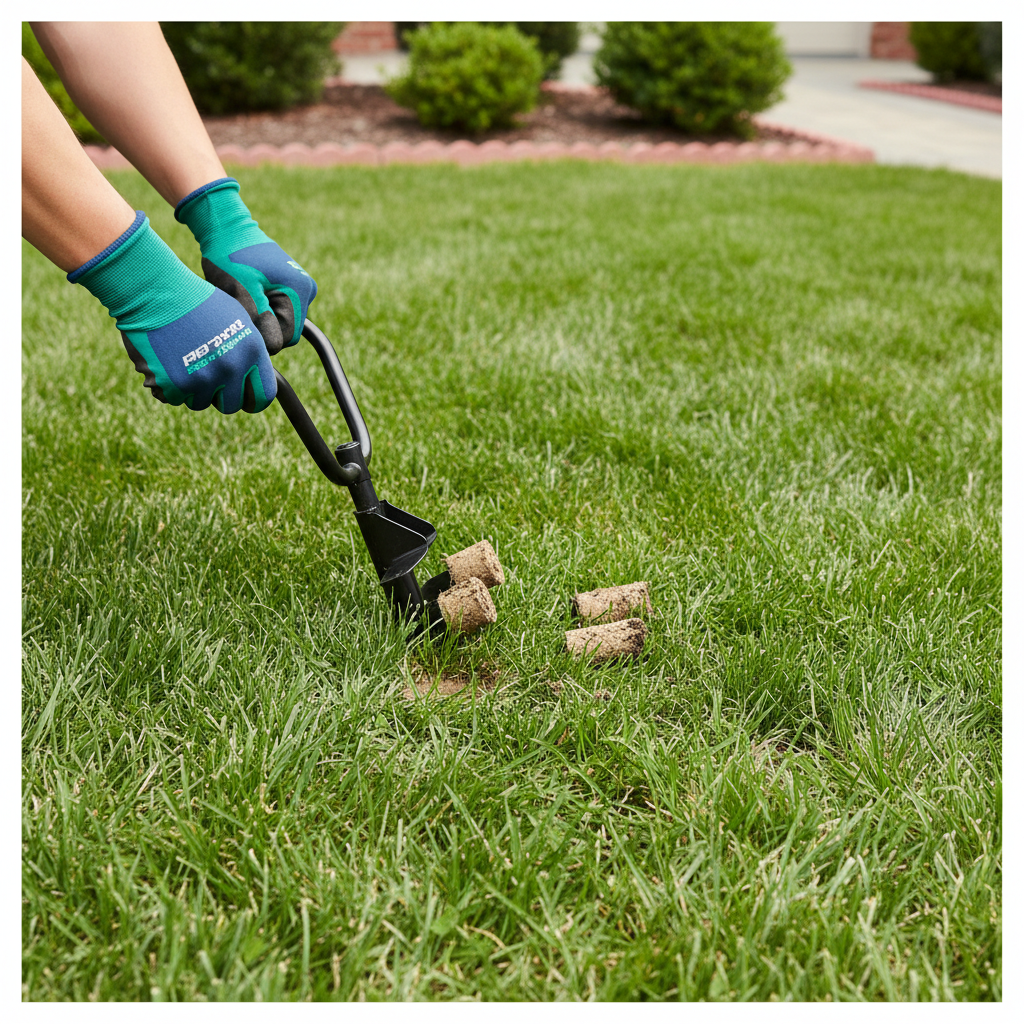
Aeration is crucial for ensuring that air, water, and nutrients can reach the roots of your grass. If your soil is compacted, it may be time to aerate. Thatch, a layer of dead grass and roots, can also suffocate your lawn if not managed properly. Use a dethatching rake or a power dethatcher for larger areas.
Watering Techniques
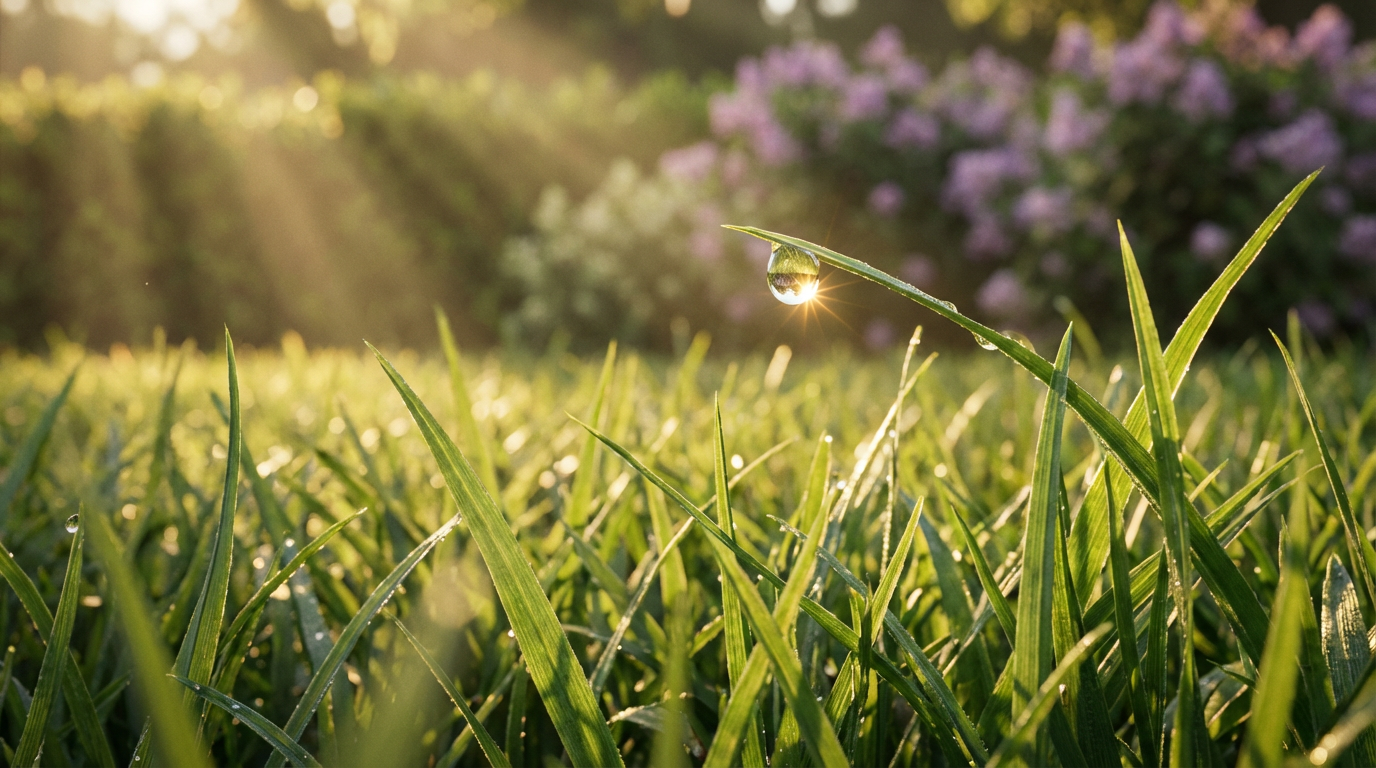
Proper watering is essential for a healthy lawn. The key is to water deeply but infrequently, encouraging the roots to grow deeper into the soil. Aim to water your lawn early in the morning to minimize evaporation. Most lawns require about one inch of water per week, including rainfall.
Smart Irrigation Solutions
Consider investing in a smart irrigation system that adjusts watering based on weather conditions. These systems can save you time and reduce water waste, ensuring your lawn gets just the right amount of moisture.

Mowing Best Practices
Regular mowing keeps your lawn looking tidy, but it's important to follow best practices to avoid damaging the grass. Keep your mower blades sharp and never cut more than one-third of the grass height at a time. This helps maintain the grass's health and prevents stress.
Grasscycling for Nutrient Recycling
Instead of bagging your clippings, consider grasscycling—leaving the clippings on the lawn. This practice returns valuable nutrients to the soil, reducing the need for additional fertilizers.

Fertilization and Weed Control
Fertilization provides your lawn with essential nutrients. Choose a fertilizer that suits your grass type and follow the recommended application schedule. Additionally, keep weeds at bay by applying pre-emergent herbicides in early spring and targeting any persistent weeds with post-emergent treatments.
Natural Alternatives
If you're looking for eco-friendly options, consider organic fertilizers and natural weed control methods. Corn gluten meal, for example, can act as a natural pre-emergent herbicide while also providing nitrogen to your lawn.
Seasonal Maintenance
Each season brings unique challenges and opportunities for lawn care. In the spring, focus on cleaning up debris and preparing your lawn for growth. Summer requires vigilant watering and mowing, while fall is the time for aeration and reseeding. Winter is all about protecting your grass from harsh conditions.
By following these DIY lawn care tips, you can maintain a lush, green lawn that enhances the beauty of your home and provides a welcoming outdoor space for family and friends. With a little effort and consistency, you can achieve professional-looking results without the expense.