
DIY Lawn Care Tips for Austin Homeowners: A Step-by-Step Guide
Understanding Austin's Climate
Austin's climate is characterized by hot summers and mild winters, which can significantly impact lawn care. Understanding the local climate is essential for maintaining a healthy lawn year-round. In summer, temperatures can soar above 100°F, making drought-resistant grass varieties a popular choice for homeowners.

Choosing the right grass type is crucial. Some popular options for Austin include Bermuda, Zoysia, and St. Augustine. These varieties thrive in heat and require less water, making them ideal for the region's dry spells. Consider your lawn's specific needs and sun exposure before making a decision.
Preparing Your Lawn for Success
Proper preparation can significantly affect how well your lawn thrives. Start by testing your soil's pH level. Austin soil tends to be alkaline, so you may need to amend it with sulfur or other soil conditioners to achieve the optimal pH.
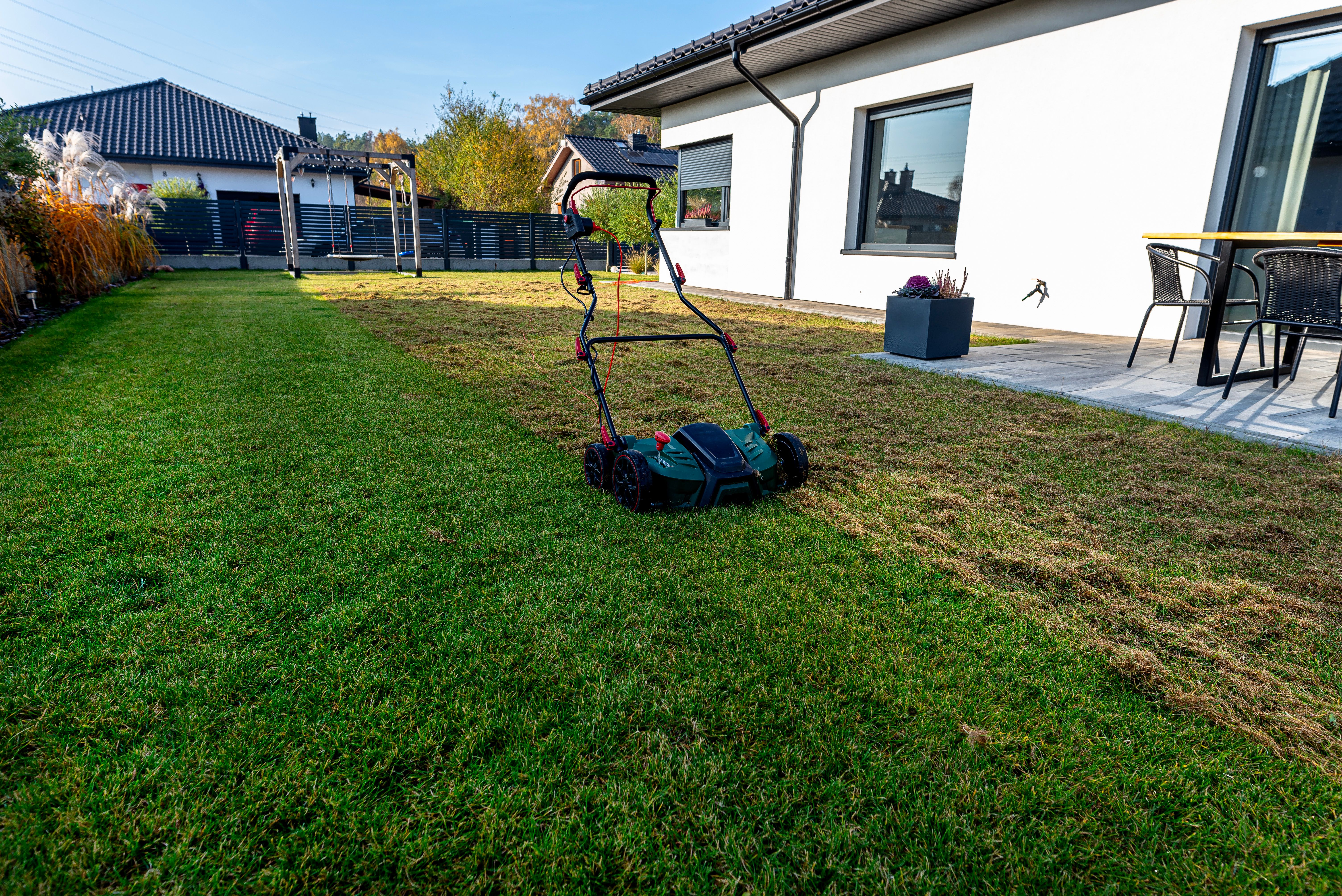
After addressing the soil, focus on aeration. Aerating your lawn allows air, water, and nutrients to penetrate the soil, promoting deeper root growth. The best time to aerate in Austin is during the growing season, typically in the spring or fall.
Watering Wisely
Watering efficiently is key to a healthy lawn, especially in Austin's hot climate. It's best to water early in the morning to minimize evaporation. Aim for about 1 to 1.5 inches of water per week, including rainfall, to keep your lawn hydrated without overwatering.
Consider investing in a smart irrigation system that adjusts watering schedules based on weather conditions. This can save water and ensure your lawn receives the right amount of moisture throughout the year.
Mowing and Maintenance
Regular mowing is essential for lawn health. Set your mower blades to the appropriate height for your grass type, generally between 2.5 to 3 inches. Taller grass shades the soil, reducing water loss and preventing weed growth.

In addition to mowing, keep your lawn free from debris and thatch. Thatch, a layer of dead grass and roots, can prevent water and nutrients from reaching the soil. Dethatch your lawn as needed, especially if it feels spongy underfoot.
Fertilizing for Growth
Fertilizing is crucial for providing your lawn with the nutrients it needs to thrive. Use a slow-release fertilizer in the spring and fall to promote steady growth. Be cautious not to over-fertilize, as this can lead to excessive growth and other issues.
Organic fertilizers are a great option for eco-conscious homeowners. They improve soil health and promote a sustainable lawn care routine.
Pest and Weed Control
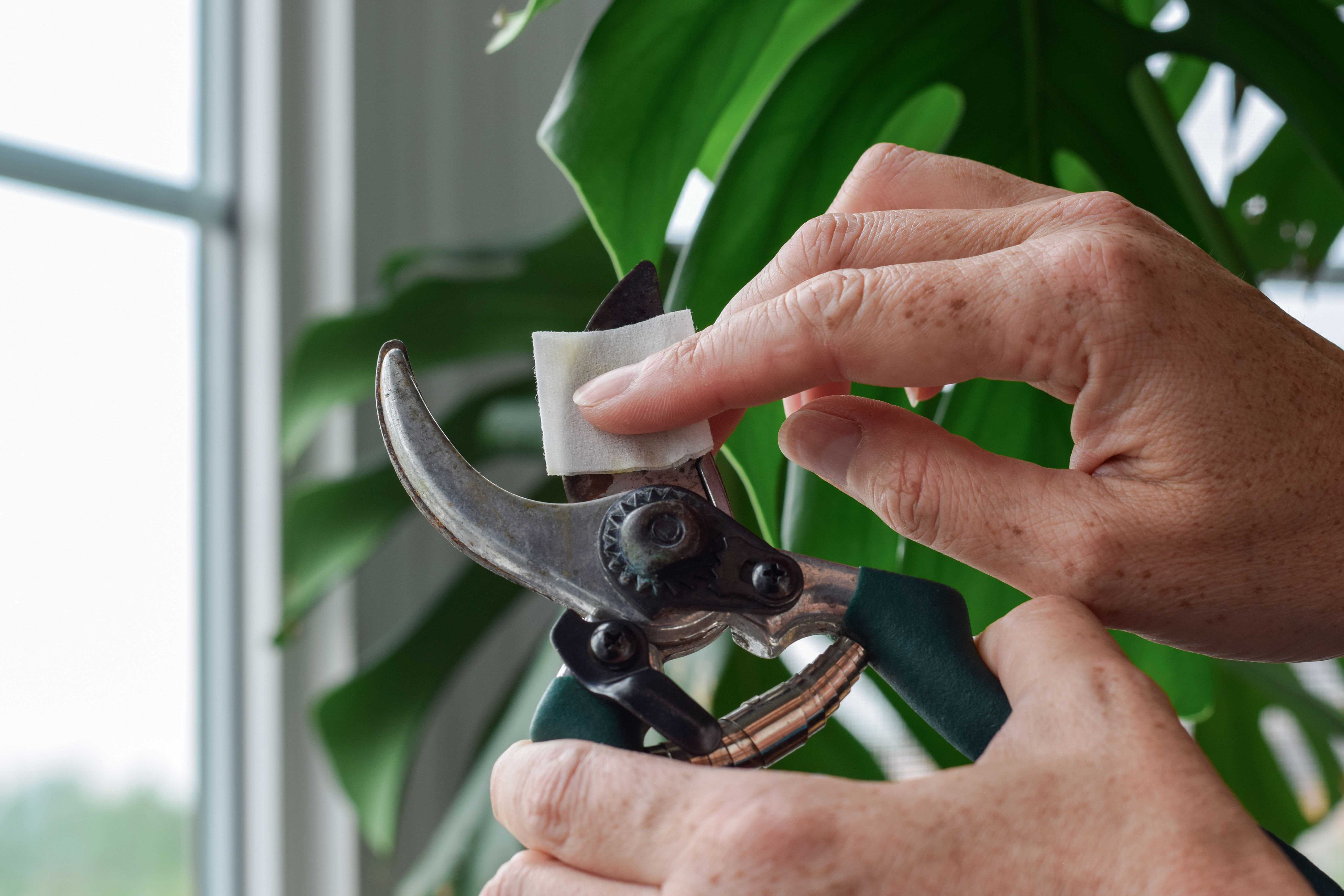
Weeds and pests can quickly take over if not managed properly. Hand-pulling weeds or using a targeted herbicide can help maintain a weed-free lawn. For pest control, identify the specific pests affecting your lawn and choose appropriate treatments.
Integrated Pest Management (IPM) strategies offer an environmentally friendly approach, combining biological, cultural, and chemical tools to manage pests effectively.
By following these DIY lawn care tips, Austin homeowners can enjoy a lush, green lawn that thrives in the local climate. With the right preparation and maintenance, your lawn can become the envy of the neighborhood.