
DIY Lawncare: Eco-Friendly Practices for Austin Yards
Understanding Your Austin Yard
Austin's unique climate and soil conditions play a crucial role in determining the best lawn care practices. With hot summers and mild winters, it's essential to choose grass varieties and care techniques that thrive in these conditions. Native grasses like Buffalo Grass and Blue Grama are excellent choices as they require less water and are more resilient to local pests.

Choosing the Right Grass
Selecting the appropriate grass for your Austin yard can significantly reduce the need for water and chemical fertilizers. Consider options that are drought-resistant and adapt well to the local environment. This not only promotes a healthier lawn but also contributes to a sustainable ecosystem.
Eco-Friendly Lawn Watering Practices
Water conservation is a top priority in Austin, where drought conditions can be prevalent. Implementing smart watering techniques is crucial. Water your lawn early in the morning or late in the evening to minimize evaporation. Additionally, consider using a drip irrigation system, which delivers water directly to the roots, reducing waste.
Rainwater Harvesting
Installing a rainwater harvesting system can be a game-changer for your lawn care routine. By collecting rainwater, you can reduce reliance on municipal water supplies and ensure your yard stays lush even during dry spells. This method is both economical and environmentally friendly.

Sustainable Lawn Fertilization
Traditional fertilizers can have harmful effects on the environment, leaching chemicals into the soil and water supply. Opt for organic fertilizers, which enrich the soil naturally. Composting is another effective way to provide your lawn with essential nutrients without the need for synthetic products.
DIY Composting Tips
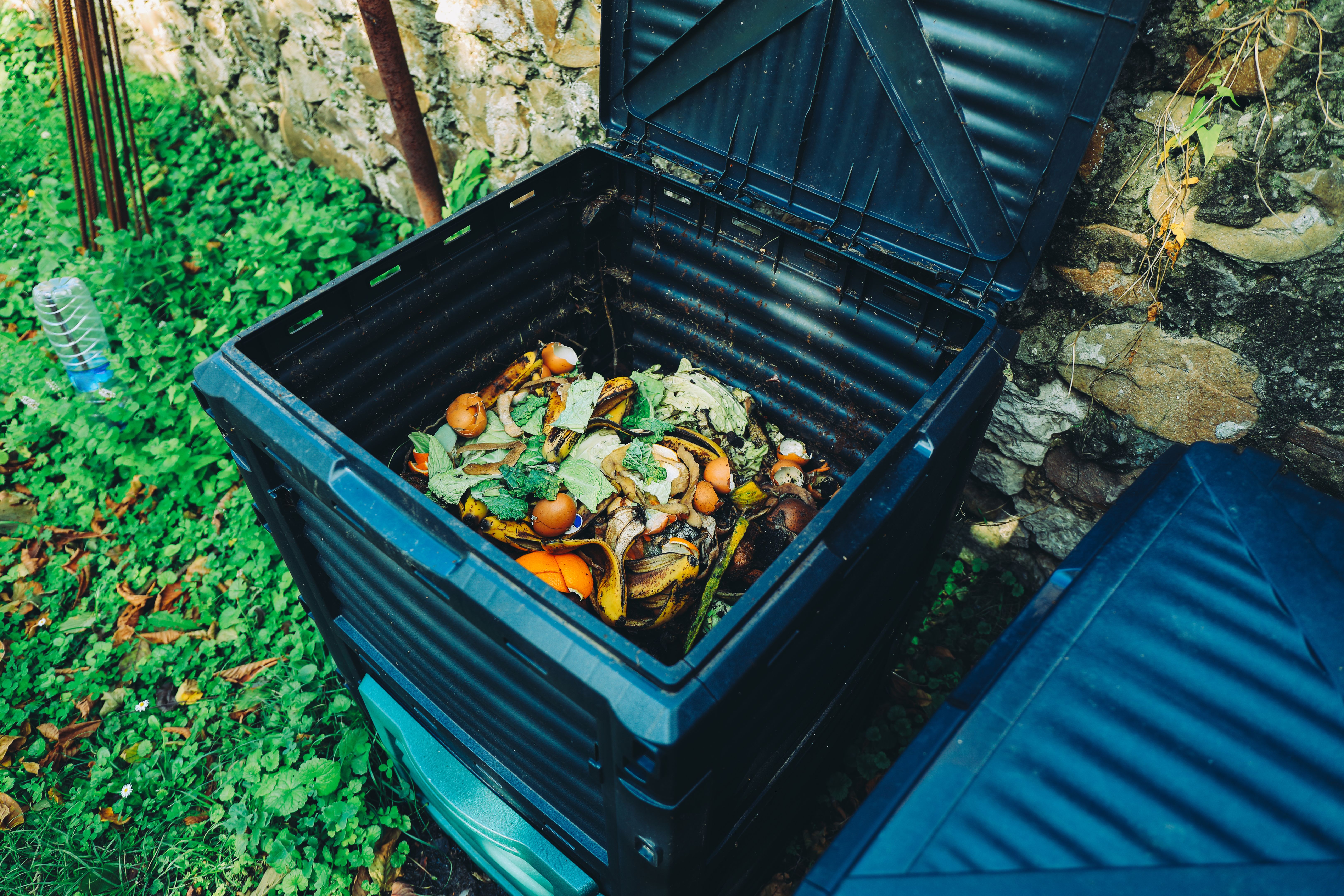
Creating your own compost is easier than you might think. Start by collecting kitchen scraps, yard waste, and other organic materials. Layer these in a compost bin, turning it regularly to promote decomposition. Over time, you'll produce rich, nutrient-dense compost perfect for your lawn.
Weed and Pest Management
Weeds and pests can quickly take over if not managed properly. Instead of resorting to chemical solutions, try natural alternatives like vinegar or boiling water to tackle weeds. For pests, introducing beneficial insects such as ladybugs can help keep harmful populations in check.
Companion Planting
Consider companion planting as a strategy to deter pests naturally. Certain plants can repel insects or attract beneficial predators. For example, marigolds are known to deter nematodes and can be a great addition around your lawn.
Conclusion
By embracing these eco-friendly practices, you can maintain a vibrant Austin yard while contributing to environmental sustainability. Implementing these techniques not only enhances the beauty of your lawn but also supports the local ecosystem, making a positive impact for generations to come.