
DIY Tips for Maintaining a Beautiful Garden in the Brazos Valley
Understanding the Climate and Soil
The Brazos Valley offers a unique climate that can be both a blessing and a challenge for gardeners. With its hot summers and mild winters, it's crucial to choose plants that thrive in these conditions. Native plants, such as Texas Bluebonnet and Blackfoot Daisy, are excellent choices as they are well adapted to the climate.
Before planting, it's important to test your soil. The soil in Brazos Valley can vary greatly, so understanding its composition will help you select the right plants and amendments. Consider using a soil testing kit to measure pH levels and nutrient content, allowing you to make informed decisions on fertilizers and soil conditioners.
Watering Wisely
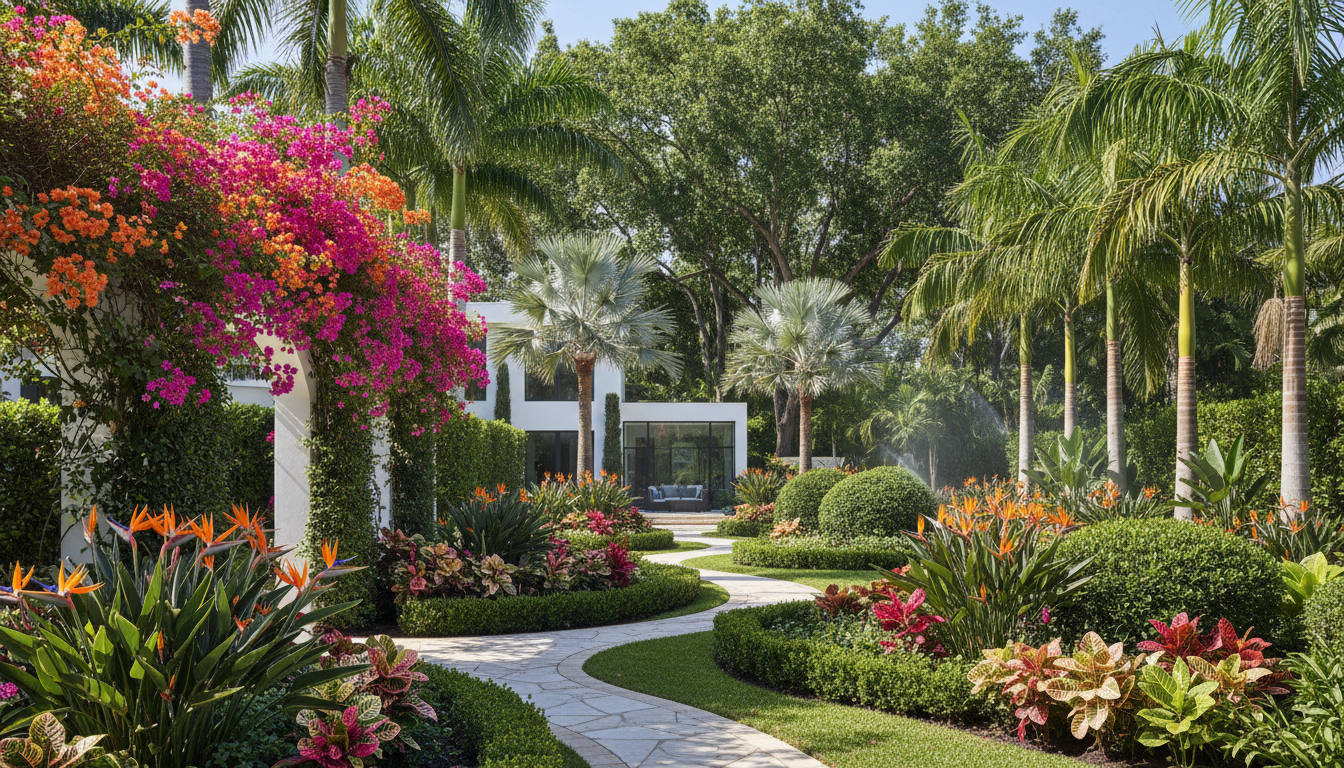
Water conservation is key in maintaining a healthy garden in the Brazos Valley. Implementing a drip irrigation system can dramatically reduce water waste while ensuring your plants receive the moisture they need. Set your system to water early in the morning or late in the evening to minimize evaporation.
Mulching is another effective method to retain soil moisture. Apply a layer of organic mulch around your plants to help keep the roots cool and reduce water evaporation. This practice not only conserves water but also suppresses weeds and adds nutrients to the soil as it breaks down.
Choosing the Right Plants
Selecting plants that are drought-tolerant and pest-resistant can save you time and effort in maintenance. Some excellent options include Lantana, Salvia, and Agave. These plants require less water and are resilient to the local pests commonly found in the Brazos Valley.
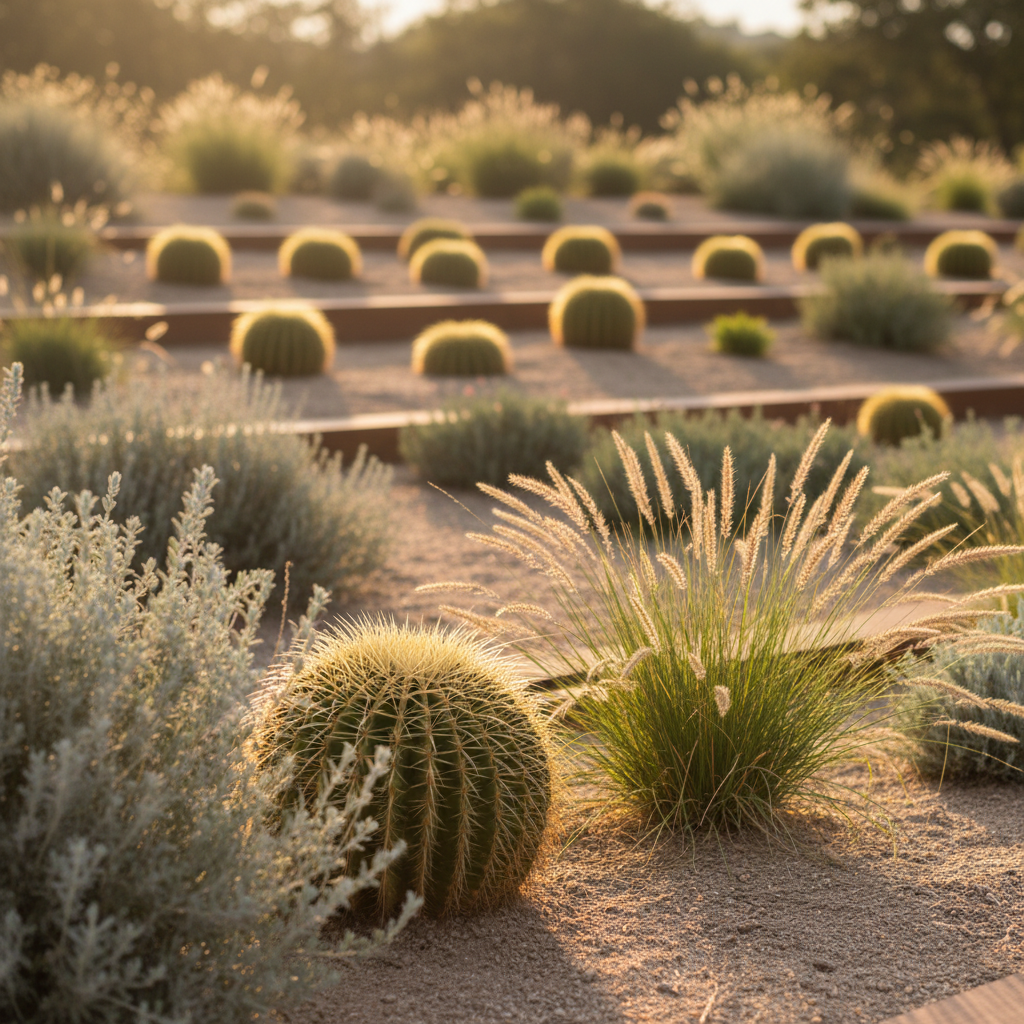
Consider planting in groups based on water needs. This approach, known as hydrozoning, allows you to efficiently water plants with similar requirements and avoid over or under-watering.
Seasonal Care Tips
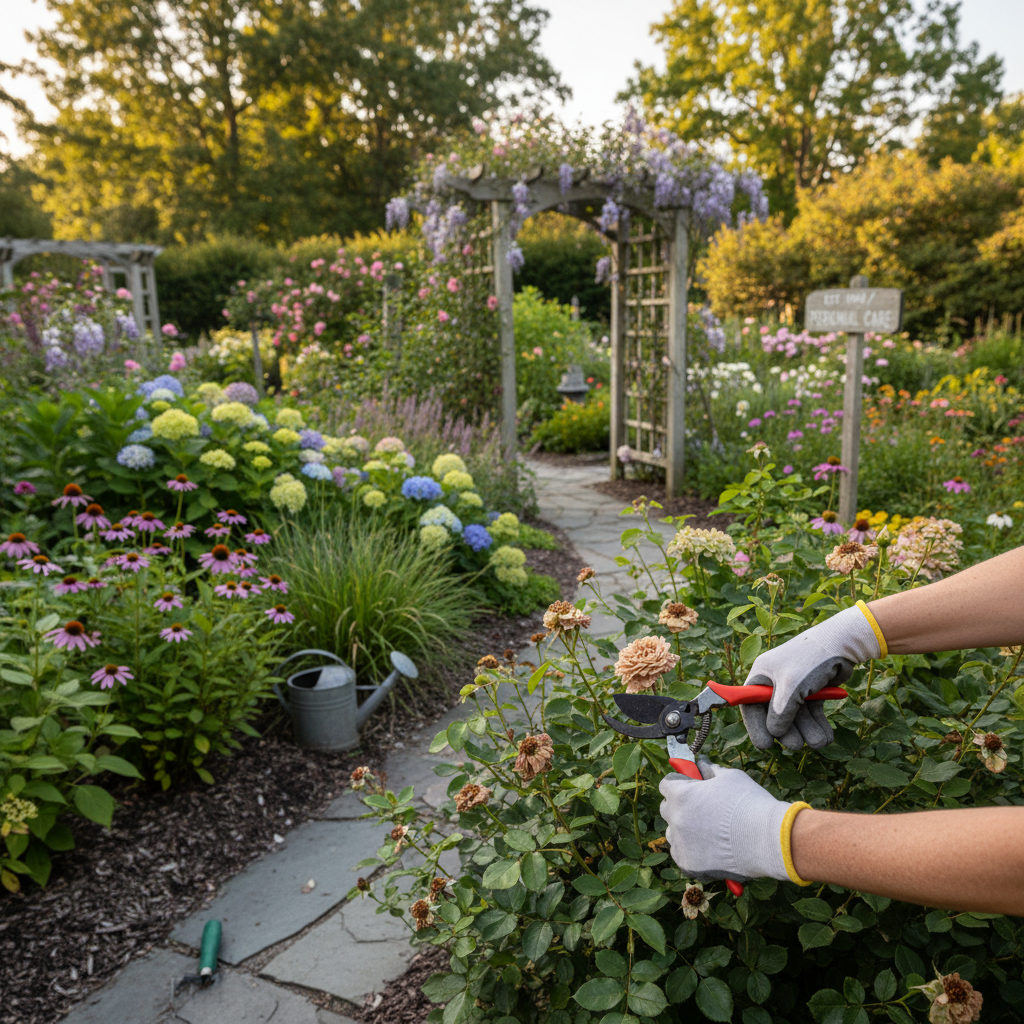
Each season brings unique challenges and opportunities for your garden. In spring, focus on planting new seeds and pruning existing plants to encourage healthy growth. Summer requires vigilant watering and pest control, while fall is the ideal time for planting trees and shrubs.
Winter, though mild, is perfect for soil preparation and maintenance tasks like cleaning tools and organizing your garden space. By following these seasonal guidelines, you can ensure your garden remains lush and vibrant year-round.
Embracing Organic Practices
Adopting organic gardening practices not only benefits the environment but also promotes healthier plant growth. Use compost as a natural fertilizer to enrich your soil with essential nutrients. Composting kitchen scraps and garden waste can reduce the need for chemical fertilizers and improve soil structure.
Additionally, encourage beneficial insects by planting flowers like Marigolds and Sunflowers, which attract pollinators and predators that help control pests naturally.
Conclusion
Maintaining a beautiful garden in the Brazos Valley is a rewarding endeavor that requires careful planning and attention to local conditions. By understanding the climate, choosing the right plants, and embracing sustainable practices, you can create a thriving garden that brings joy and beauty throughout the year.