
Eco-Friendly Landscaping Trends: Transform Your Austin Yard Sustainably
Embrace Native Plants
Transforming your Austin yard into an eco-friendly oasis begins with the selection of native plants. These plants have adapted to the local climate and require less water, making them a sustainable choice. Incorporating Texas wildflowers, such as bluebonnets and Indian paintbrushes, can add vibrant colors to your landscape while supporting local wildlife.

Native plants not only conserve water but also reduce the need for chemical fertilizers and pesticides. By opting for these plants, you contribute to a healthier ecosystem and create a haven for pollinators like bees and butterflies.
Water Conservation Techniques
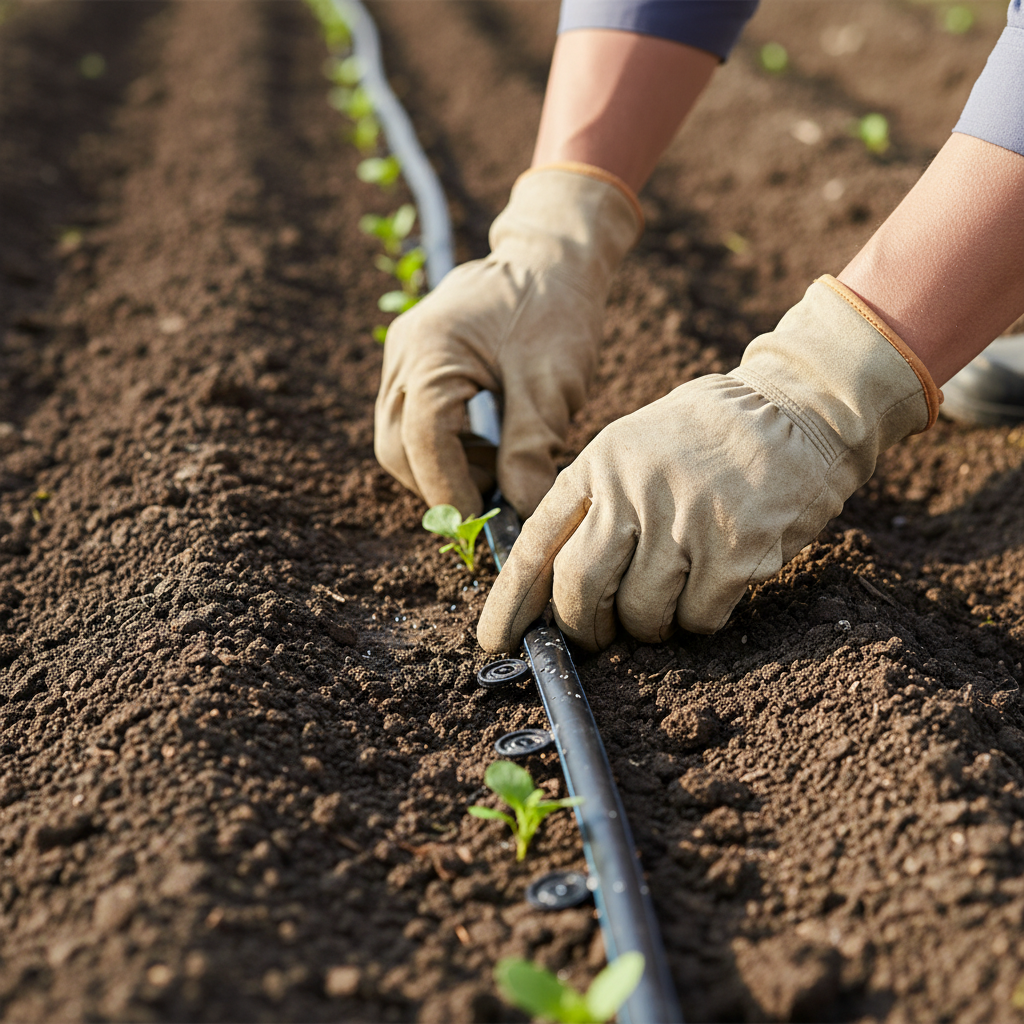
Water is a precious resource, and using it wisely is crucial in sustainable landscaping. Consider implementing drip irrigation systems, which deliver water directly to the plant roots, minimizing evaporation. This method is more efficient than traditional sprinklers and can significantly reduce your water usage.
Another effective strategy is to install rain barrels. These containers collect rainwater from your roof, providing a free and sustainable water source for your garden. By using harvested rainwater, you can maintain a lush garden while preserving local water supplies.
Soil Health and Composting
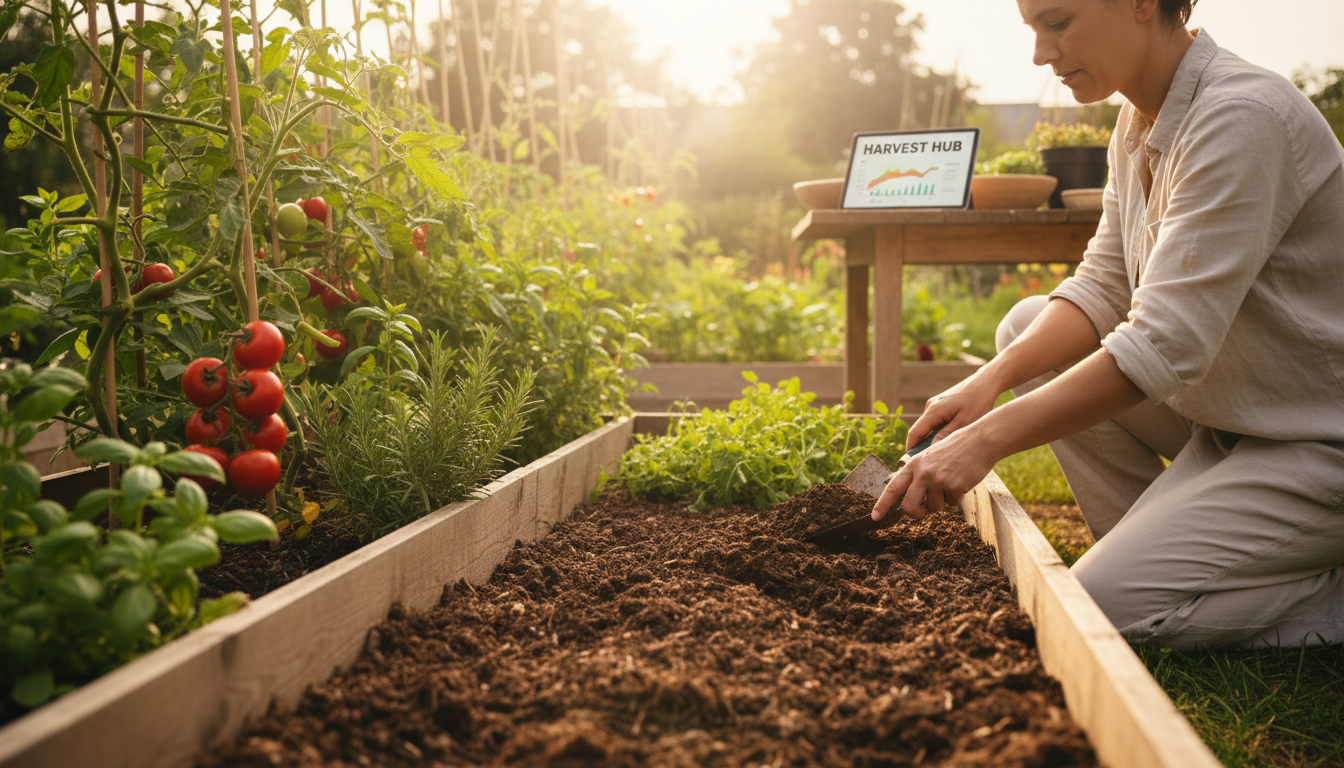
Healthy soil is the foundation of any sustainable landscape. Enriching your soil with organic matter improves its structure and fertility. Composting is an excellent way to achieve this. By recycling kitchen scraps and yard waste, you create nutrient-rich compost that enhances soil health and reduces landfill waste.
Utilizing mulch is another beneficial practice. Mulch retains moisture, suppresses weeds, and adds nutrients to the soil as it breaks down. Opt for organic mulches like wood chips or straw to maintain an eco-friendly garden.
Energy-Efficient Lighting
Lighting can transform your outdoor space, but it's essential to choose energy-efficient options. LED lights are a sustainable choice, using significantly less electricity than traditional bulbs. Solar-powered lights are another excellent option, harnessing the sun's energy to illuminate your garden without increasing your carbon footprint.
Strategically placed lighting can enhance the beauty of your landscape while ensuring safety. Focus on highlighting pathways, water features, and focal points to create a warm and inviting atmosphere.

Create Wildlife Habitats
Encouraging biodiversity is a key aspect of eco-friendly landscaping. By creating habitats for local wildlife, you support the ecosystem and enjoy the presence of birds, butterflies, and beneficial insects. Consider adding bird feeders, birdbaths, and nest boxes to attract various species.
Planting a variety of flowers, shrubs, and trees provides food and shelter for wildlife. Choose plants that bloom at different times of the year to offer a continuous source of nectar and seeds.

Permeable Paving Solutions
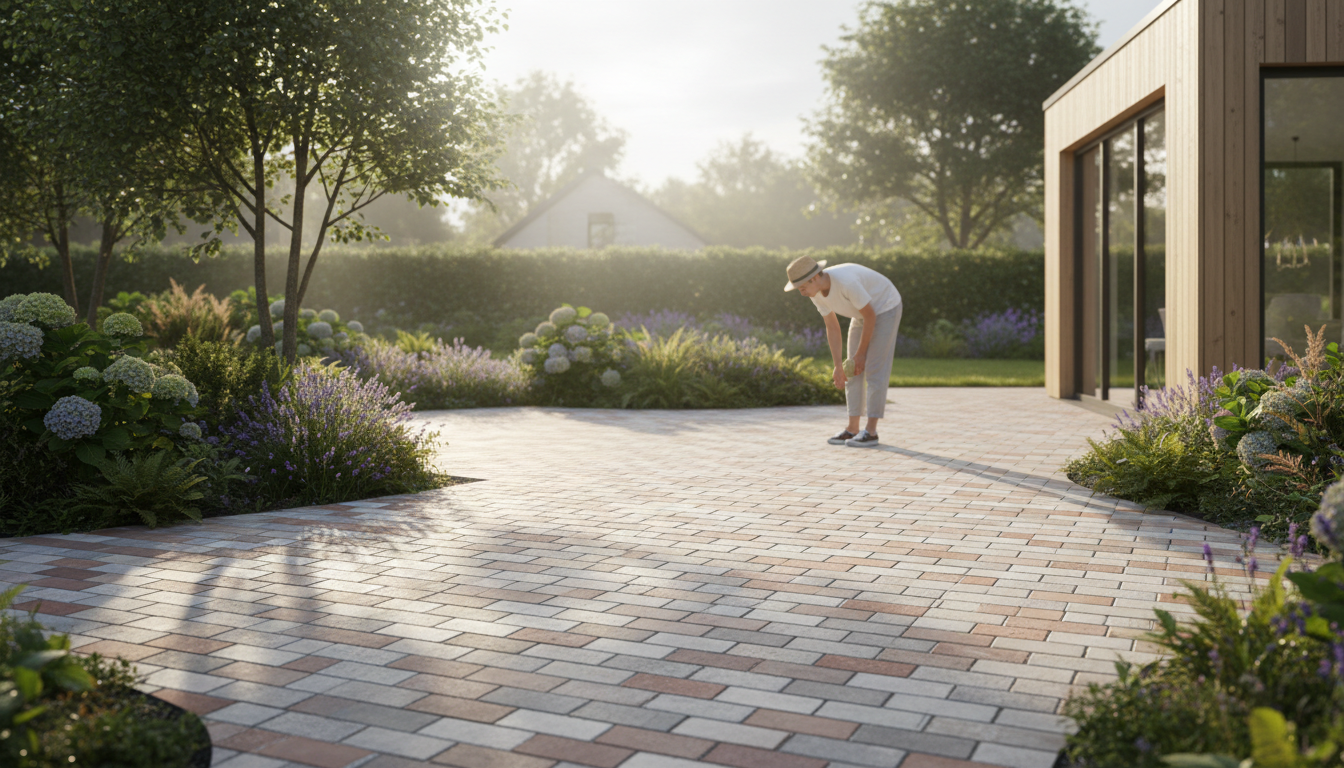
Traditional concrete and asphalt surfaces can contribute to water runoff and soil erosion. Instead, consider using permeable paving solutions like gravel, permeable concrete, or interlocking pavers. These materials allow rainwater to seep through, replenishing groundwater and reducing runoff.
Permeable paths and driveways not only benefit the environment but also add an attractive and modern touch to your landscape. They help manage stormwater and reduce the impact of heavy rains on your property.
Edible Landscaping
Why not make your garden both beautiful and productive? Edible landscaping integrates fruits, vegetables, and herbs into your yard design, offering fresh produce and reducing food miles. Consider planting fruit trees, berry bushes, and herb gardens to enjoy homegrown flavors.
This approach not only promotes sustainability but also provides a rewarding gardening experience. By growing your own food, you reduce your carbon footprint and foster a deeper connection with the natural world.

Conclusion
Adopting eco-friendly landscaping trends in Austin allows you to create a sustainable and beautiful outdoor space. By embracing native plants, conserving water, enhancing soil health, and supporting local wildlife, you can transform your yard into a thriving ecosystem. These practices not only benefit the environment but also offer personal satisfaction and a deeper appreciation for nature. Start small, make conscious choices, and watch your sustainable garden flourish.