
Expert Tips for Green Thumb Lawn Care: Avoiding Common Mistakes
Understanding Your Soil
One of the most crucial steps in achieving a lush, green lawn is understanding your soil. The health of your lawn largely depends on the quality of the soil beneath it. Conduct a soil test to determine its pH level and nutrient content. This will help you choose the right type of fertilizer and amendments to improve soil health.
Soil composition varies greatly, and what works for your neighbor might not work for you. By tailoring your lawn care to your soil's specific needs, you can avoid many common issues that plague lawns.

Choosing the Right Grass
Selecting the appropriate grass type for your region and climate is essential. Consider factors such as sunlight, shade, and water availability. Cool-season grasses thrive in northern climates, while warm-season grasses are better suited for southern regions.
Planting the wrong type of grass can lead to poor growth and increased susceptibility to pests and diseases. Take time to research or consult with a local expert to ensure you're making the best choice for your lawn.
Watering Wisely
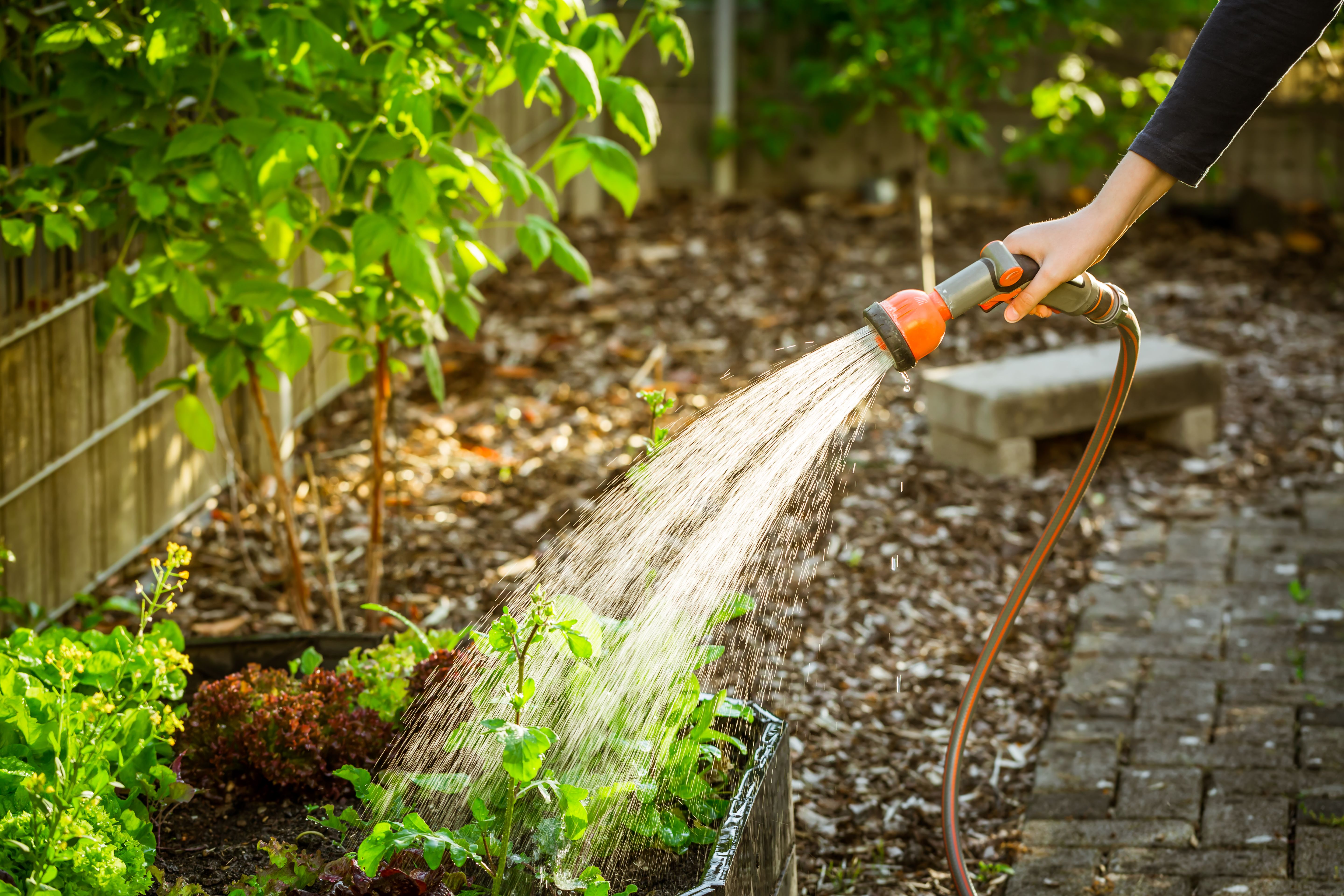
Overwatering is a common mistake that can lead to shallow roots and increased vulnerability to disease. It's essential to water your lawn deeply but infrequently. This encourages roots to grow deeper, making the grass more drought-resistant.
Aim to water your lawn early in the morning to minimize evaporation and fungal growth. Adjust your watering schedule based on the season and rainfall to avoid wasting water.
Proper Mowing Techniques
Mowing your lawn correctly is more than just cutting grass. Set your mower blade to the right height, usually about 3 inches, to promote healthy growth. Cutting your grass too short can weaken it and make it more susceptible to weeds and pests.
Regularly sharpen your mower blades to ensure clean cuts, which help the grass heal quickly and reduce stress. Vary your mowing pattern to prevent soil compaction and allow grass to grow upright.
Fertilizing Effectively
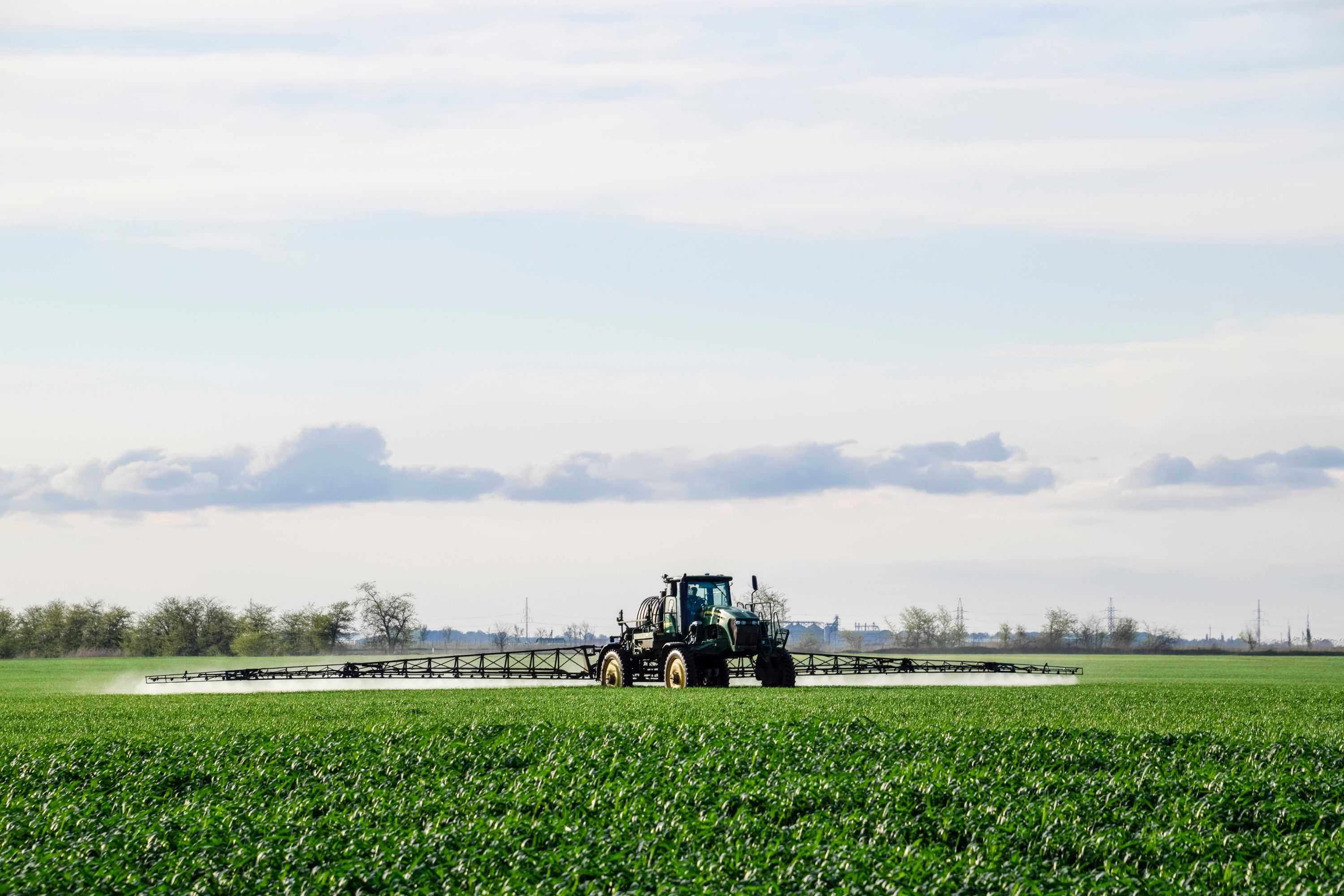
Using fertilizer is key to maintaining a vibrant lawn, but it's important to apply it correctly. Follow the recommendations from your soil test to select the right type and amount. Over-fertilizing can harm your lawn and contribute to environmental pollution.
Apply fertilizer during the growing season and avoid doing so before heavy rain, which can wash it away before it benefits your lawn. Consider using organic fertilizers as a more sustainable option.
Controlling Weeds Naturally
Weeds can quickly take over if not managed properly. Instead of relying on chemical herbicides, consider natural methods such as hand-pulling or using mulch to suppress weed growth. Maintaining a thick, healthy lawn is your best defense against weeds.
A well-nourished lawn with strong grass growth will naturally outcompete most weeds, reducing the need for additional interventions.