
Expert Tips for Turf Management in Austin's Unique Climate
Understanding Austin's Climate
Austin's climate presents unique challenges to turf management due to its combination of hot summers and mild winters. With temperatures often soaring above 100°F in the summer, it's crucial to choose the right grass types that can withstand this heat. Additionally, Austin experiences sporadic rainfall, making drought-resistant grasses a top priority for any lawn enthusiast.

Choosing the Right Grass
When selecting grass for your Austin lawn, consider options like Bermuda, Zoysia, and Buffalo grass. These varieties are known for their resilience to heat and drought conditions. Bermuda grass, for instance, thrives in sunny environments and requires less water once established. Zoysia offers a lush carpet-like appearance and is relatively low-maintenance.
Buffalo grass stands out for its minimal water needs and is perfect for eco-conscious homeowners. When choosing grass, always consider its growth habits, sunlight requirements, and maintenance needs to ensure a healthy lawn year-round.
Watering Wisely
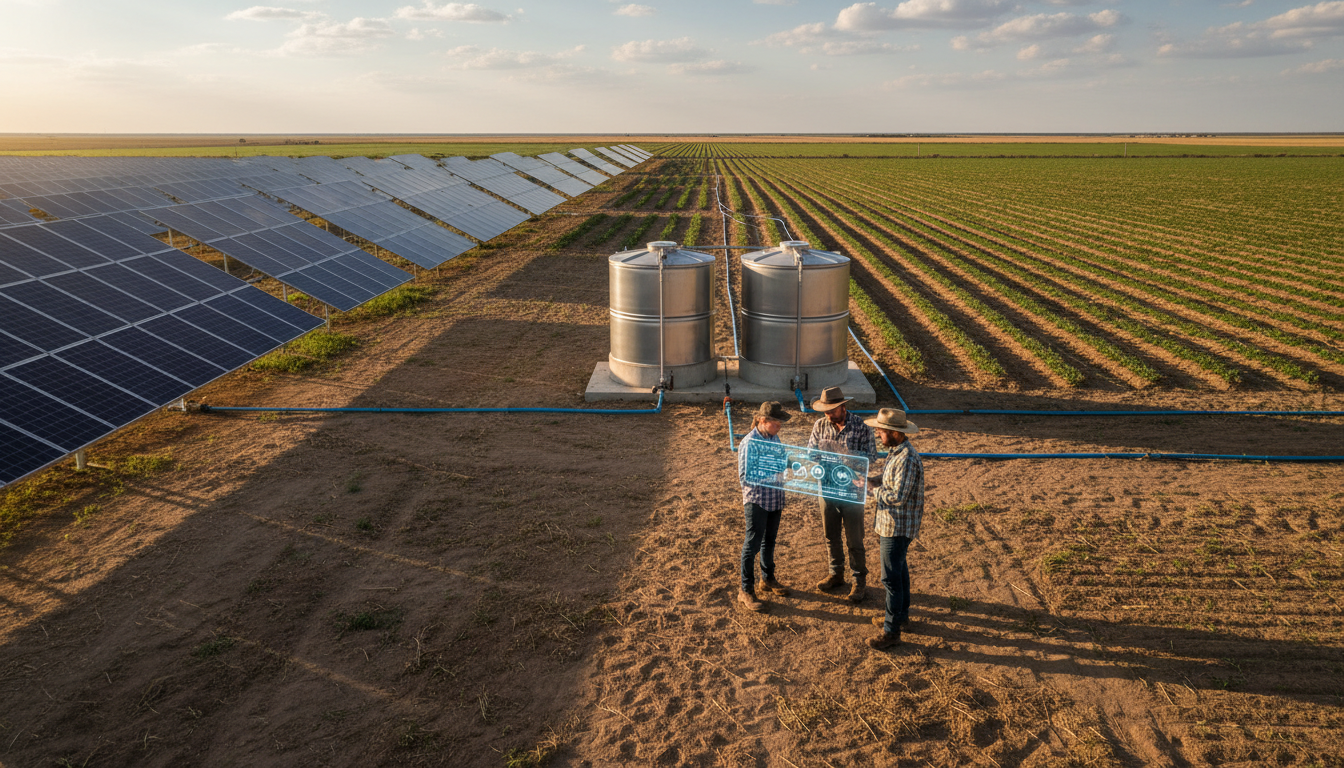
Effective watering is critical in Austin’s climate. Overwatering can lead to fungus and disease, while underwatering can cause your grass to go dormant. Implementing a smart irrigation system can help maintain the perfect balance. Water your lawn early in the morning to reduce evaporation and ensure deep root growth.
Avoid watering in the evening as moisture can linger, promoting fungal growth. Remember, it's better to water deeply and less frequently to encourage roots to grow deeper into the soil.
Soil Health and Fertilization
Maintaining healthy soil is foundational for robust turf. Conduct a soil test to determine nutrient deficiencies and adjust your fertilization plan accordingly. In Austin, a balanced fertilizer with nitrogen, phosphorus, and potassium is often recommended to support grass growth throughout the year.
Organic fertilizers can also be a great option, providing essential nutrients while enhancing soil structure and microbial activity. Regular aeration is also crucial, especially in compacted soils, to allow nutrients and water to reach the grass roots effectively.

Pest and Weed Management
Austin’s warm climate can be a breeding ground for pests and weeds. Implementing an integrated pest management strategy can help control these issues without over-relying on chemical treatments. Regularly inspect your lawn for signs of pests such as grubs or chinch bugs and apply treatments as needed.
For weeds, maintain a thick lawn to naturally suppress weed growth. Hand-pulling or spot-treating with herbicides can effectively manage any unwanted intruders. Staying proactive is key to keeping your lawn healthy and vibrant.
Conclusion
Managing turf in Austin’s unique climate requires a strategic approach tailored to its specific weather patterns. By selecting the right grass types, implementing smart watering practices, maintaining soil health, and managing pests and weeds effectively, you can enjoy a lush, green lawn all year round. Remember, consistency and attention to detail are crucial in overcoming the challenges posed by Austin's climate.