
How to Prepare Your Lawn for the Austin Heat: Seasonal Lawn Care Guide
Understanding the Austin Climate
Austin's climate can be particularly challenging for lawn care due to its hot summers and occasional drought conditions. The intense heat can stress your grass, making it essential to prepare and maintain your lawn properly. Understanding the unique climate conditions will help you implement the right strategies to keep your lawn healthy and vibrant.

Choosing the Right Grass
One of the first steps in preparing your lawn for the Austin heat is selecting the right type of grass. Opt for warm-season grasses, such as Bermuda, Zoysia, or St. Augustine. These grasses are more heat-tolerant and can thrive in the Texas climate. If you're starting a new lawn or considering reseeding, these options will offer the best results.
Watering Techniques
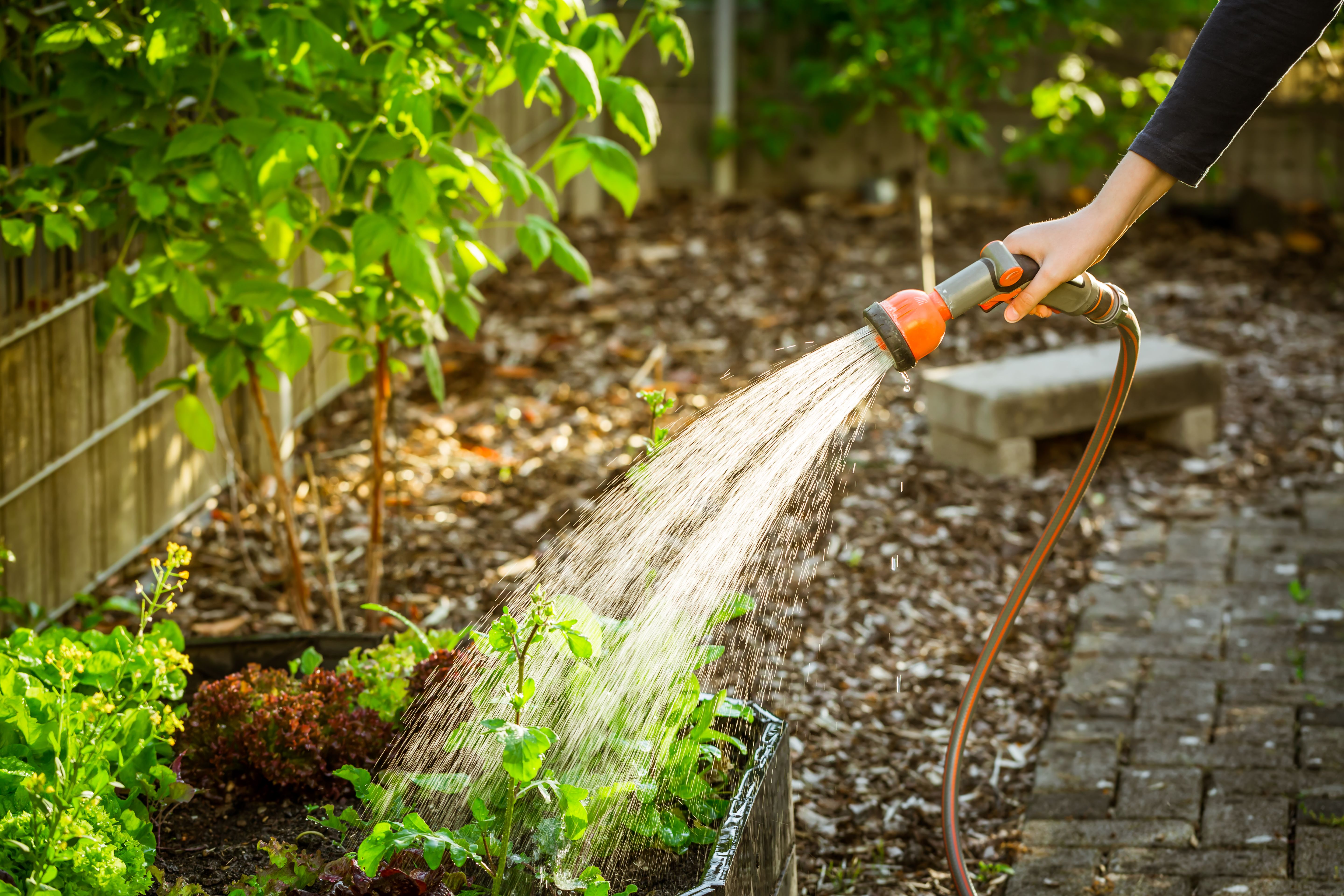
Proper watering is crucial to withstand the summer heat. Water your lawn early in the morning or late in the evening to minimize evaporation. Aim for deep, infrequent watering to encourage deep root growth. Typically, your lawn will need about 1 inch of water per week, including rainfall. Consider using a rain gauge to monitor the amount of water your lawn receives.
Efficient Irrigation Systems
Installing an efficient irrigation system can greatly aid in maintaining your lawn. Drip irrigation or soaker hoses target the roots directly, reducing water waste. Regularly check your system for leaks and ensure it's set to water at optimal times. This will help maintain moisture without over-watering.
Fertilization and Soil Care
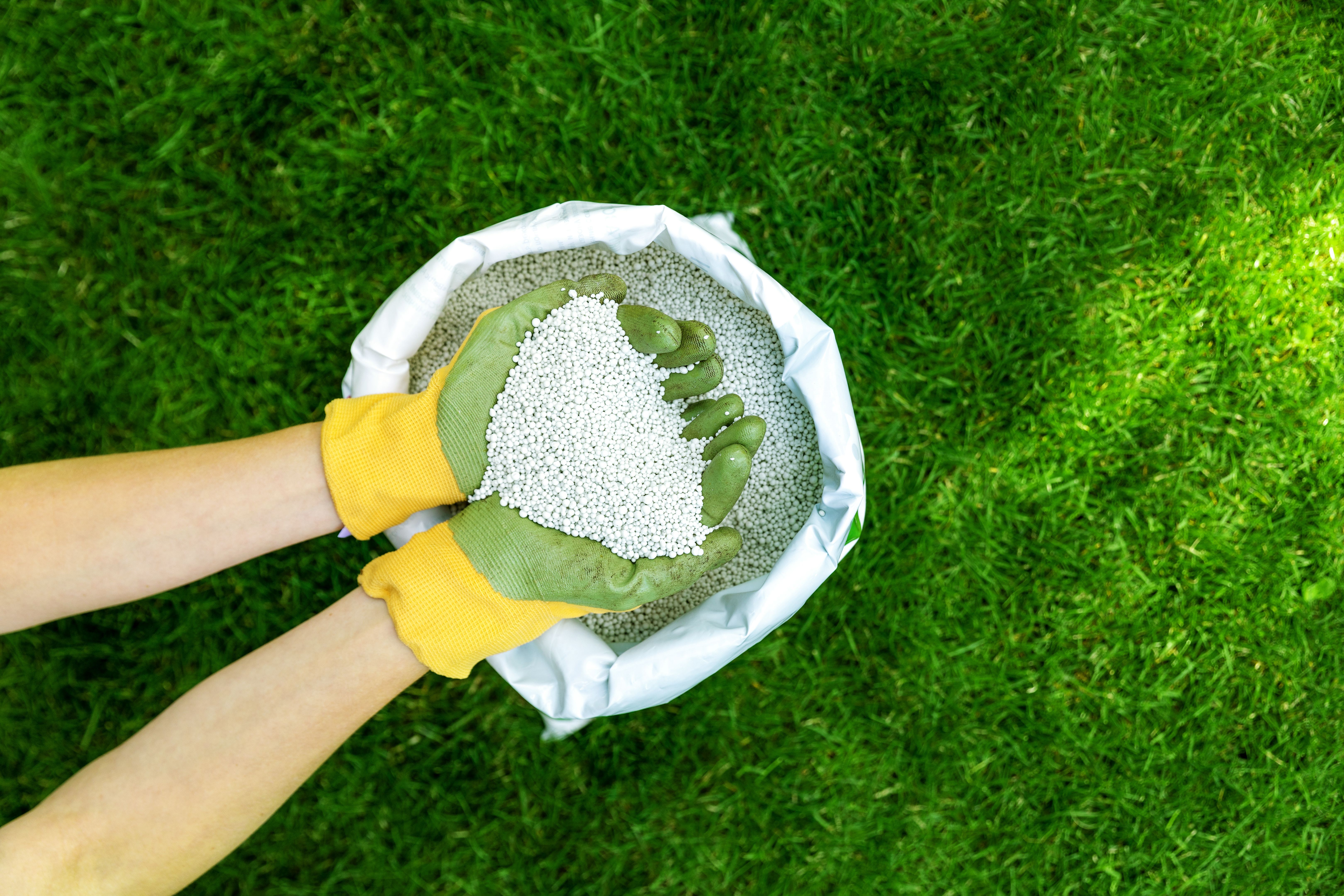
Fertilizing your lawn is another important step in preparing for the Austin heat. Use a slow-release, high-nitrogen fertilizer to provide consistent nutrients. Apply fertilizer in late spring to early summer, just as the grass begins to grow actively. Additionally, consider aerating your soil to improve nutrient absorption and root growth.
Soil Testing and Amendments
Conducting a soil test can offer insights into nutrient deficiencies. Based on the results, you may need to add amendments like lime or sulfur to balance the pH levels. Healthy soil is the foundation for a resilient lawn, especially in challenging weather conditions.
Mowing Practices
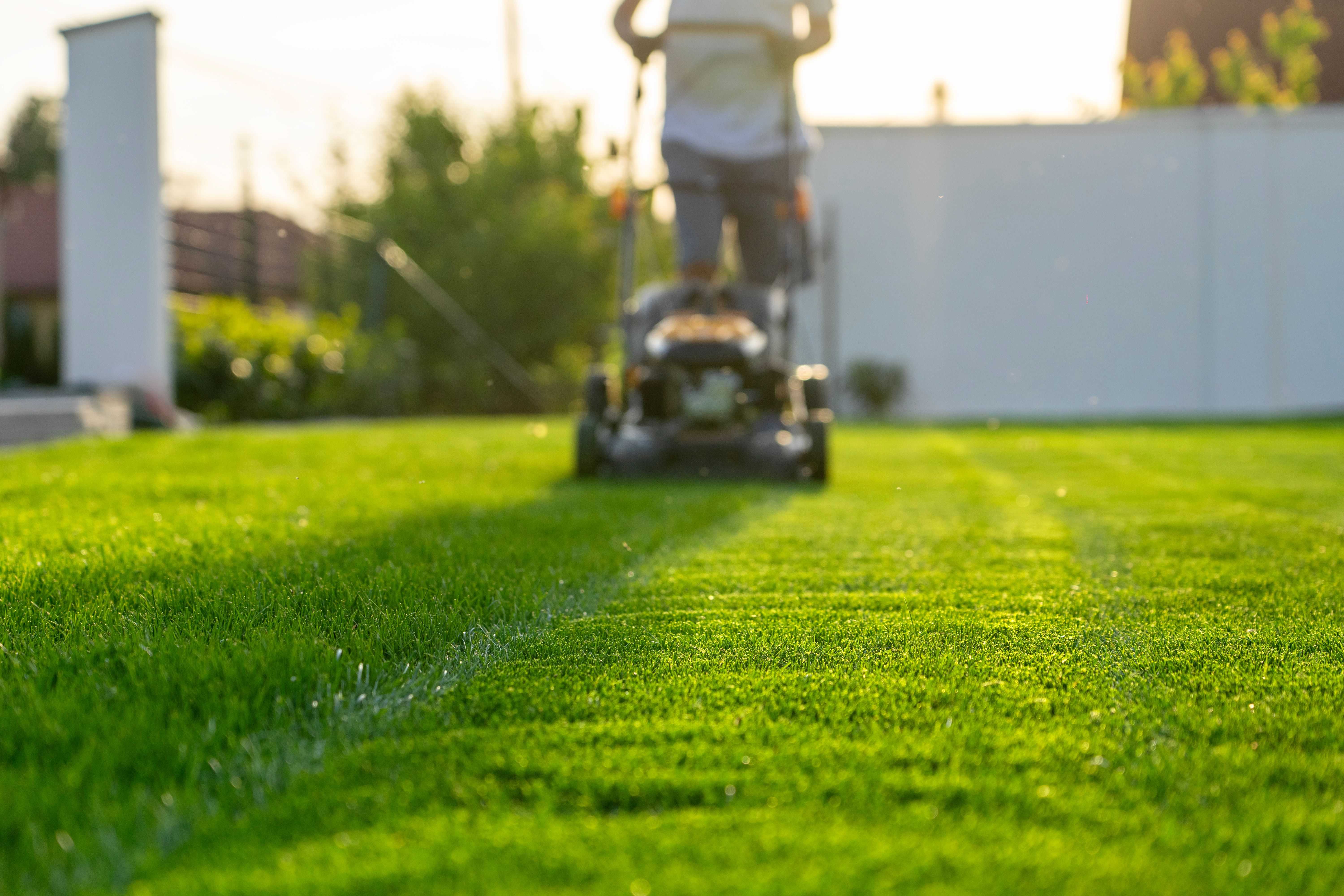
Proper mowing practices can significantly impact your lawn's ability to withstand heat. Set your mower blades to a higher setting during the summer months. Taller grass shades the soil, conserving moisture and protecting roots from the sun. Regularly sharpen your mower blades to ensure clean cuts and avoid stressing the grass.
Mulching and Clippings
Consider leaving grass clippings on the lawn after mowing. This practice, known as mulching, returns valuable nutrients to the soil and helps retain moisture. It's an eco-friendly way to boost your lawn's health while reducing yard waste.
Pest and Weed Management
Summer heat can exacerbate pest and weed problems. Regularly inspect your lawn for signs of pests like chinch bugs or grubs, and use appropriate treatments if necessary. Similarly, stay vigilant for weeds and address them promptly with targeted herbicides or manual removal.
By following these guidelines, you can ensure your lawn remains lush and healthy throughout the Austin summer. With the right preparation and care, your lawn will not only survive but thrive in the heat.