
Myth-Busting: What You Need to Know About Texas Lawn Care
Introduction to Texas Lawn Care Myths
When it comes to lawn care in Texas, there's no shortage of advice and tips. However, separating fact from fiction can be challenging. This article aims to debunk common myths about Texas lawn care, helping you maintain a thriving and healthy lawn.

Myth 1: Watering Every Day Is Necessary
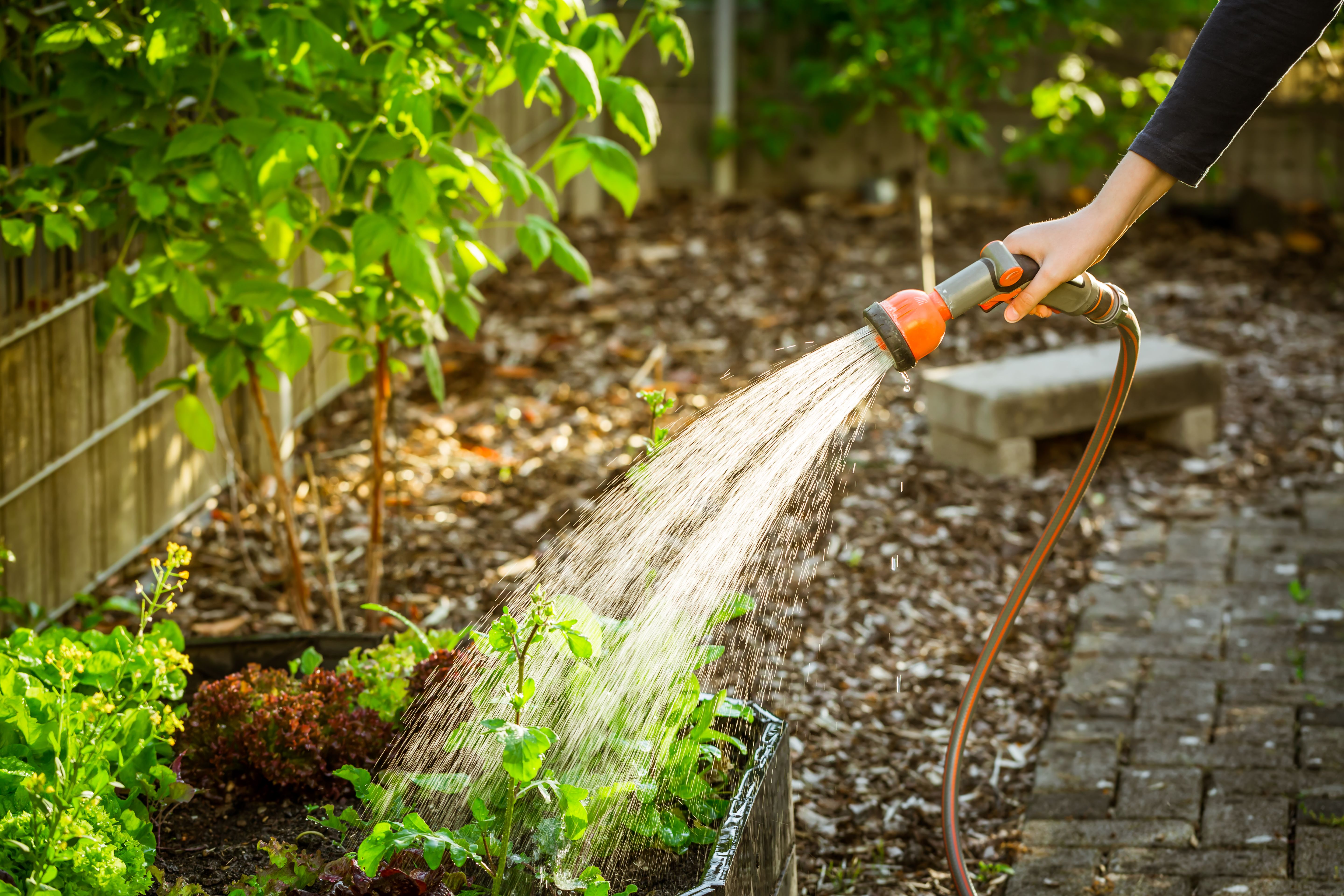
One of the most prevalent myths is that daily watering is essential for a lush lawn. In reality, overwatering can harm your grass, leading to shallow roots and increased susceptibility to disease. Instead, aim for deep and infrequent watering, which encourages strong root growth.
It's usually best to water your lawn early in the morning. This allows the water to soak in before the sun evaporates it, ensuring your grass gets the most benefit from each watering session.
How Much Water Is Enough?
The general rule of thumb is to provide your lawn with about one inch of water per week. You can achieve this through one or two deep watering sessions, depending on the weather and soil conditions.
Myth 2: All Grass Types Are the Same
Another misconception is that all grass types require the same care. Texas is home to a variety of grass species, each with unique needs and characteristics. Some common types include Bermuda, St. Augustine, and Zoysia grass.
Understanding your grass type is crucial for proper lawn care. For example, Bermuda grass thrives in full sun, while St. Augustine prefers partial shade. Tailoring your care routine to your grass type ensures optimal growth and health.
Choosing the Right Grass for Your Region
Consider the climate and soil conditions of your area when selecting grass. Consulting with a local expert can provide valuable insights and help you choose the best option for your lawn.
Myth 3: Fertilizer Is Always Beneficial
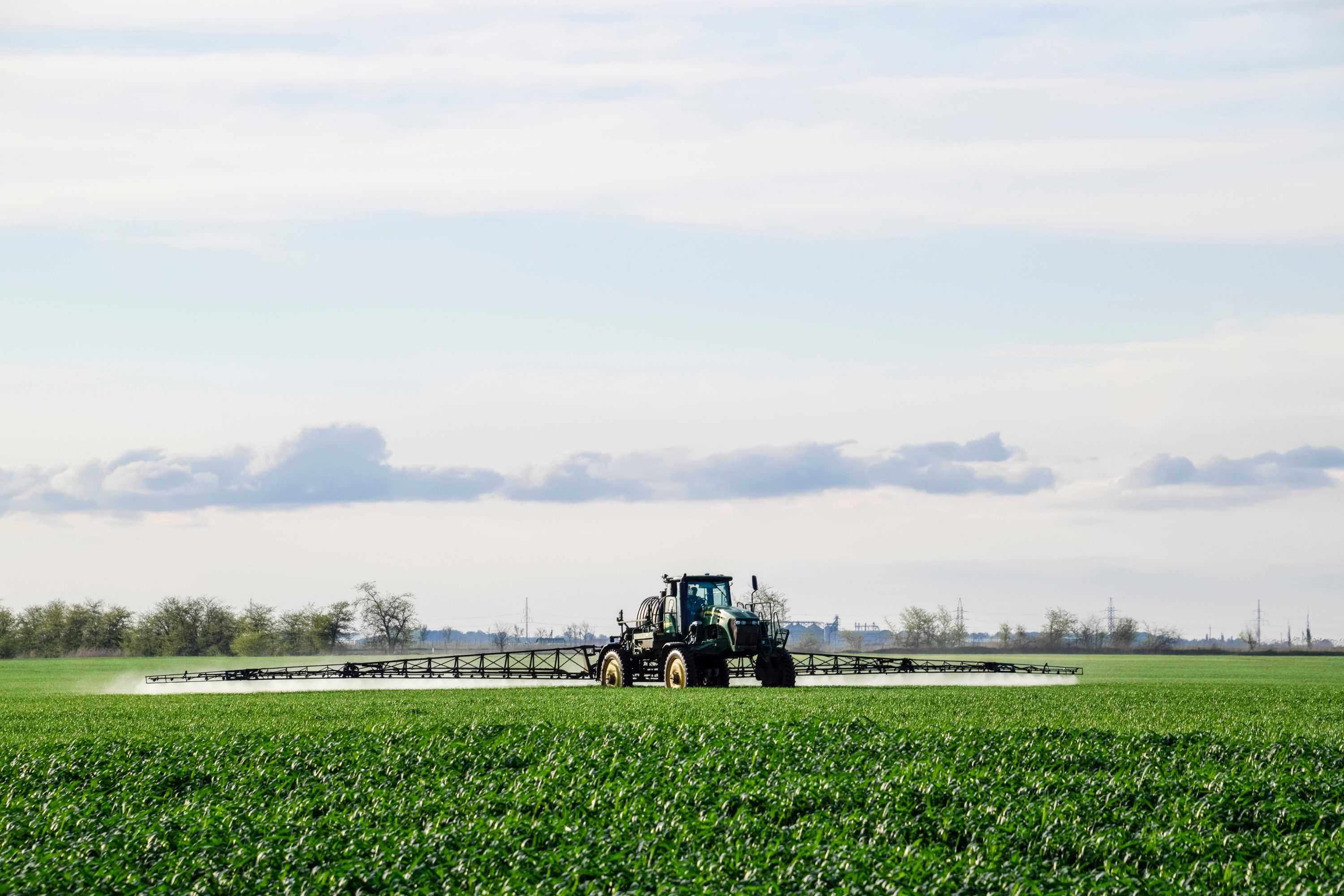
While fertilizers can enhance lawn health, excessive or improper use can do more harm than good. Applying too much fertilizer can lead to nutrient runoff, which not only wastes resources but can also harm the environment.
It's essential to follow recommended guidelines and conduct a soil test to determine your lawn's specific nutrient needs. This ensures that you're providing the right balance of nutrients without overloading your grass.
When to Fertilize
Timing is crucial when fertilizing your lawn. For most grasses, applying fertilizer in the spring and fall yields the best results. Avoid fertilizing during the heat of summer, as this can stress the grass.
Conclusion
By debunking these common lawn care myths, you can take a more informed approach to maintaining your Texas lawn. Remember, understanding your specific grass type, watering wisely, and using fertilizers judiciously are key factors in cultivating a beautiful and sustainable yard.
With the right knowledge and practices, you can enjoy a vibrant lawn that enhances your outdoor living space.