
Myth-Busting Texas Gardening: Separating Fact from Fiction
Understanding Texas Gardening
Gardening in Texas can be a rewarding endeavor, but it's often surrounded by myths that can mislead both novice and experienced gardeners. With its unique climate and diverse soil types, Texas presents challenges and opportunities that are often misunderstood. Let's dive into some common misconceptions and set the record straight.
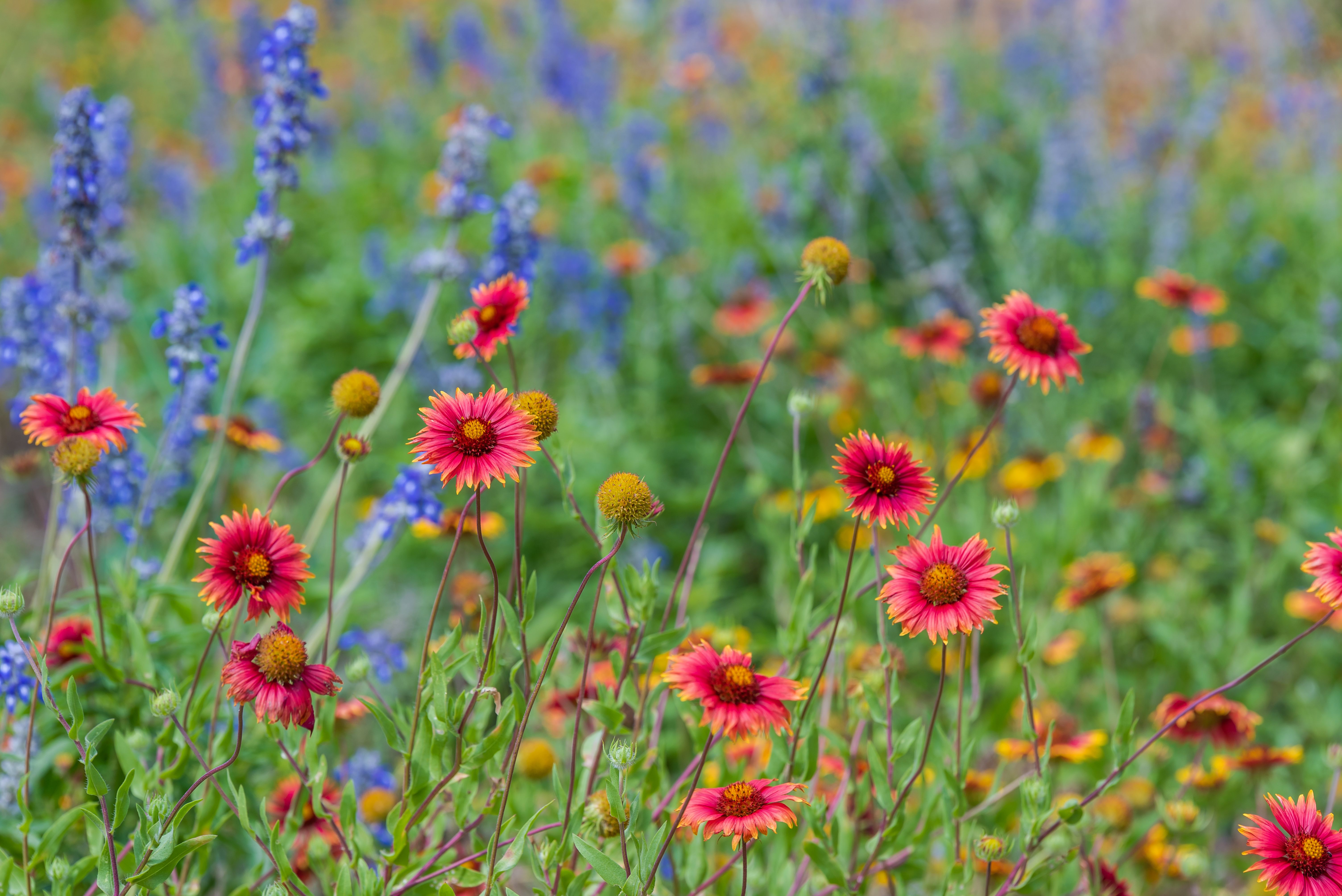
Myth 1: Texas is Too Hot for Most Plants
One of the most prevalent myths is that Texas's heat makes it impossible to grow anything other than cacti. While it's true that Texas summers can be scorching, many plants thrive in this environment. Native plants, such as the Bluebonnet and Texas Sage, are well-adapted to the heat and can add vibrant color to any garden.
To succeed, consider planting heat-tolerant varieties and employing strategies like mulching to retain soil moisture. Choosing the right plants for your specific region within Texas is crucial, as the state has several distinct climatic zones.
Myth 2: All Texas Soil is Unusable
Another myth is that Texas soil is universally poor, making gardening a futile effort. In reality, soil quality varies widely across the state, from the rich blackland prairies to the sandy soils of East Texas. Understanding your local soil type is essential for successful gardening.

Conducting a soil test is a great starting point to determine pH levels and nutrient content. With this information, you can amend the soil as needed, using compost or other organic materials to enhance its fertility.
Myth 3: You Can't Garden Year-Round
Many believe that gardening in Texas is limited to a specific season. However, with the right planning, you can cultivate a garden throughout the year. The mild winters in many parts of Texas allow for a second growing season, perfect for cool-weather crops like lettuce, kale, and carrots.
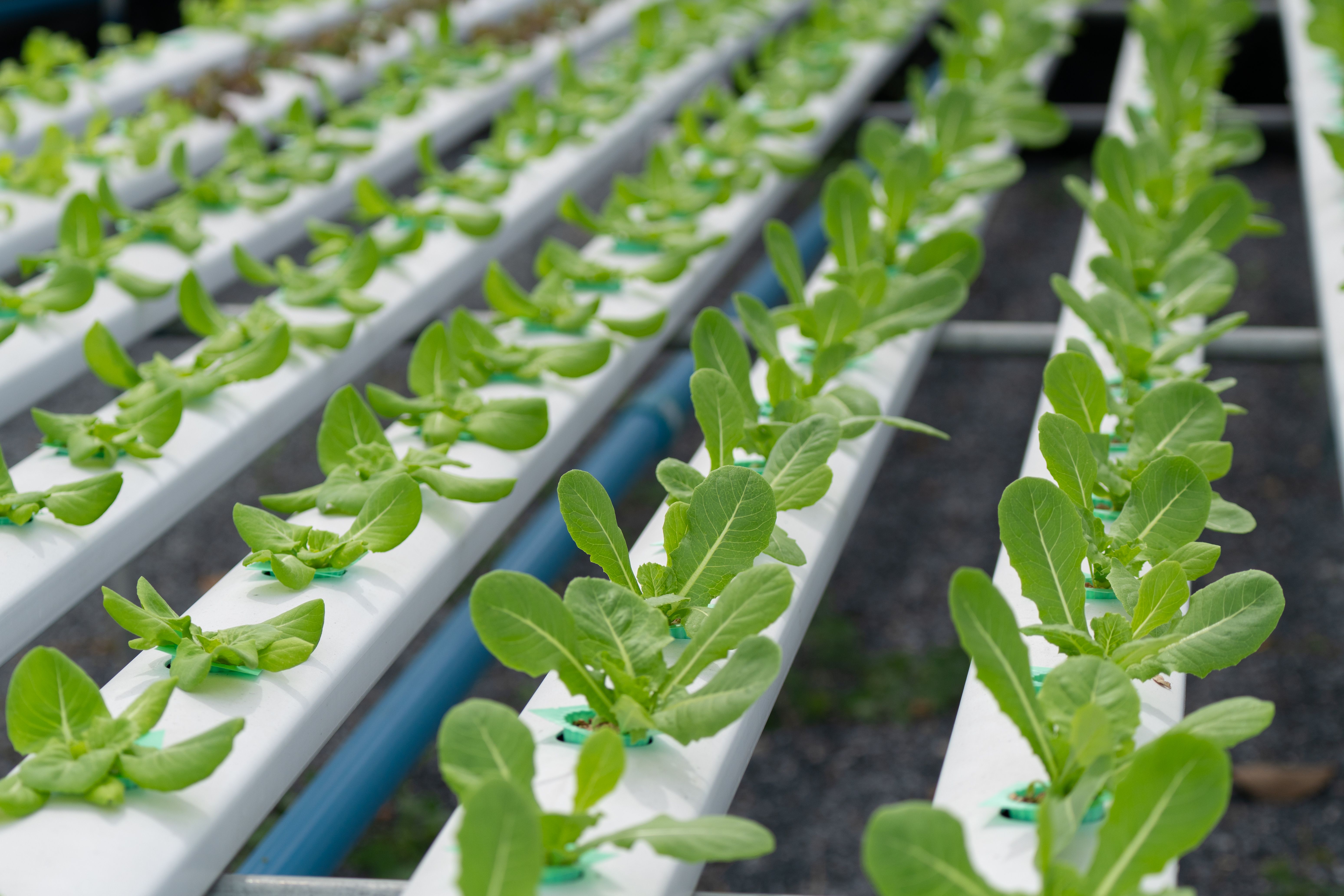
By selecting the appropriate plants and adjusting your planting schedule, you can enjoy fresh produce all year. Season extension techniques, such as using row covers or cold frames, can further enhance your year-round gardening efforts.
Myth 4: Organic Gardening is Impractical in Texas
Some gardeners are discouraged from organic practices, assuming they're too difficult to implement in Texas. On the contrary, organic gardening can be quite successful here. By focusing on building healthy soil, employing crop rotation, and using natural pest control methods, organic gardening can thrive.
Organic amendments like composted manure and mulch can improve soil structure and fertility, while beneficial insects can help control pests. With patience and planning, organic gardening is not only possible but can lead to a more sustainable and healthy garden.
Embrace the Possibilities
Texas gardening is filled with potential, and by debunking these myths, you're better equipped to create a flourishing garden. Remember, understanding your local climate, soil, and plant varieties is key to success. So, roll up your sleeves, get your hands dirty, and watch your Texas garden grow.