
The Turf Team's Secret to a Perfect Lawn: Common Misconceptions Debunked
When it comes to achieving a lush, green lawn, there are countless theories and tips floating around. The Turf Team is here to set the record straight by debunking some common misconceptions about lawn care. With the right information, anyone can enjoy a picture-perfect lawn.
Watering Myths
One of the most prevalent myths is that lawns need to be watered daily. In reality, frequent shallow watering can lead to weak root systems. Instead, it's better to water deeply but less often. This encourages roots to grow deeper into the soil, making your lawn more resilient to drought.
Another misconception is that watering in the evening is best. While it might seem logical to avoid daytime evaporation, evening watering can promote fungal growth due to prolonged moisture. Watering early in the morning is ideal, allowing the grass to dry throughout the day.

Mowing Misunderstandings
Many homeowners believe that cutting the grass short means mowing less often. However, cutting too short can stress the grass, making it more susceptible to diseases and pests. The general rule is to never remove more than one-third of the grass blade in a single mow.
Another myth is that clippings should always be bagged. In fact, leaving clippings on the lawn can provide valuable nutrients as they decompose. This practice, known as grasscycling, can reduce the need for additional fertilizers.
Fertilization Fallacies
Fertilizing frequently might seem beneficial, but over-fertilization can harm your lawn. It's important to follow a balanced fertilization schedule based on the specific needs of your grass type. Conducting a soil test can help determine the right nutrients required.
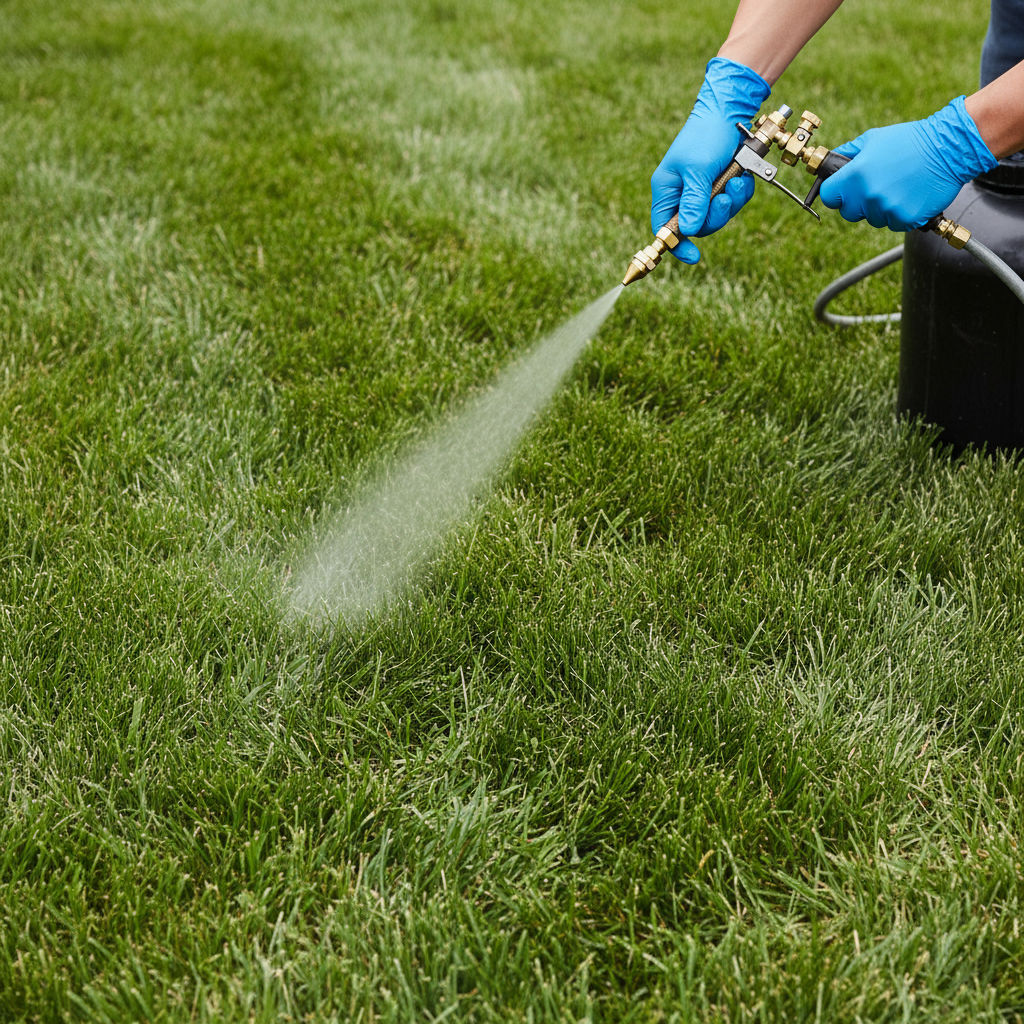
There's also a belief that organic fertilizers are always better. While they are environmentally friendly, organic fertilizers release nutrients slowly and might not provide the immediate boost that synthetic options offer. It's essential to choose the right type for your lawn's needs.
Pest and Weed Control Confusions
Some think that all insects are harmful to the lawn. However, not all bugs are bad; some are beneficial and help control pest populations. Understanding which insects are helpful can prevent unnecessary pesticide use.
Regarding weeds, many assume that more herbicide means fewer weeds. Overuse of herbicides can damage the lawn and lead to resistance. Instead, focus on maintaining healthy grass, which naturally competes with weeds and reduces their growth.

Conclusion
By debunking these common misconceptions, The Turf Team aims to empower homeowners with accurate information for lawn care. Understanding the truth behind these myths can lead to healthier, more resilient lawns. With patience and proper care, the perfect lawn is within reach for everyone.