
The Ultimate Guide to Eco-Friendly Landscaping in Austin
Understanding Eco-Friendly Landscaping
Eco-friendly landscaping, also known as sustainable landscaping, focuses on creating outdoor spaces that are both beautiful and environmentally beneficial. In Austin, a city known for its vibrant green initiatives, adopting eco-friendly landscaping practices can significantly contribute to water conservation and biodiversity.
By choosing native plants, reducing water usage, and minimizing chemical inputs, you can create a sustainable garden that thrives in Austin's unique climate. This guide will explore various strategies to help you design a landscape that's both stunning and sustainable.
Choosing Native Plants
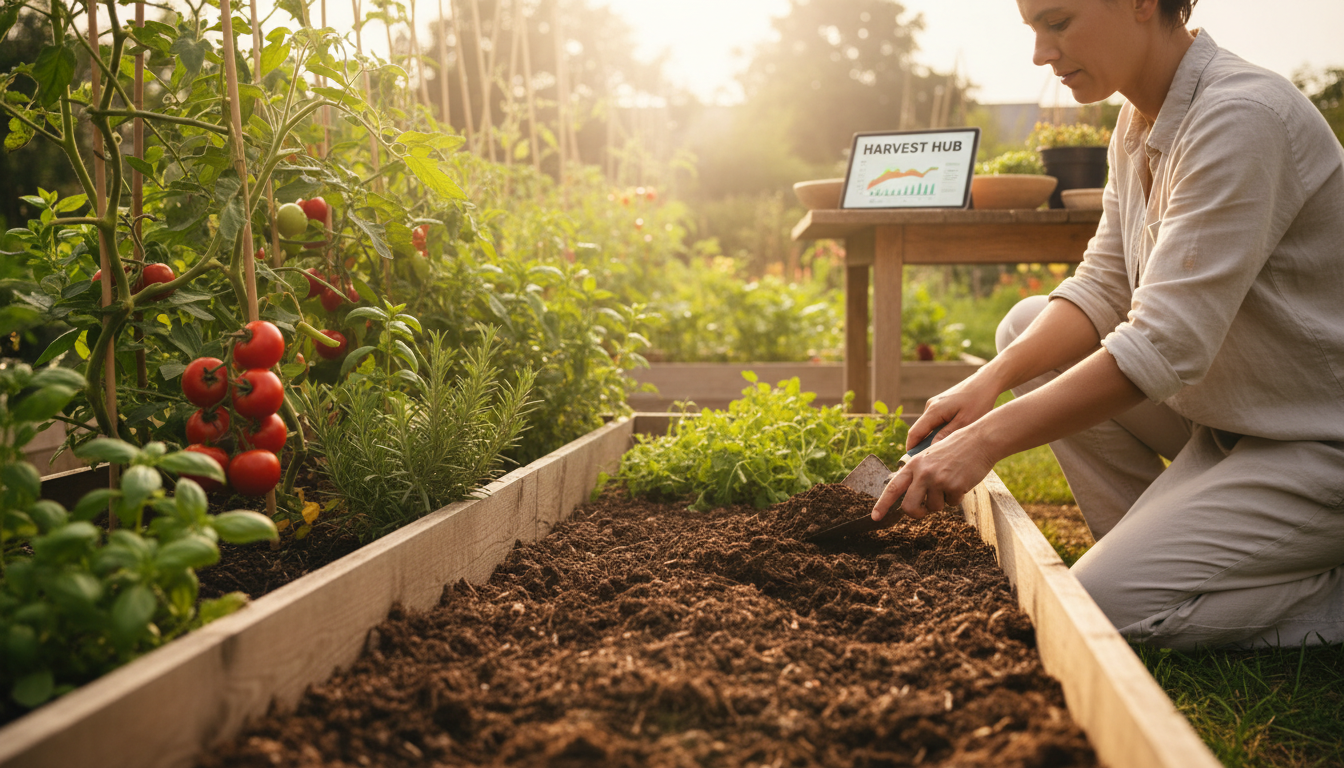
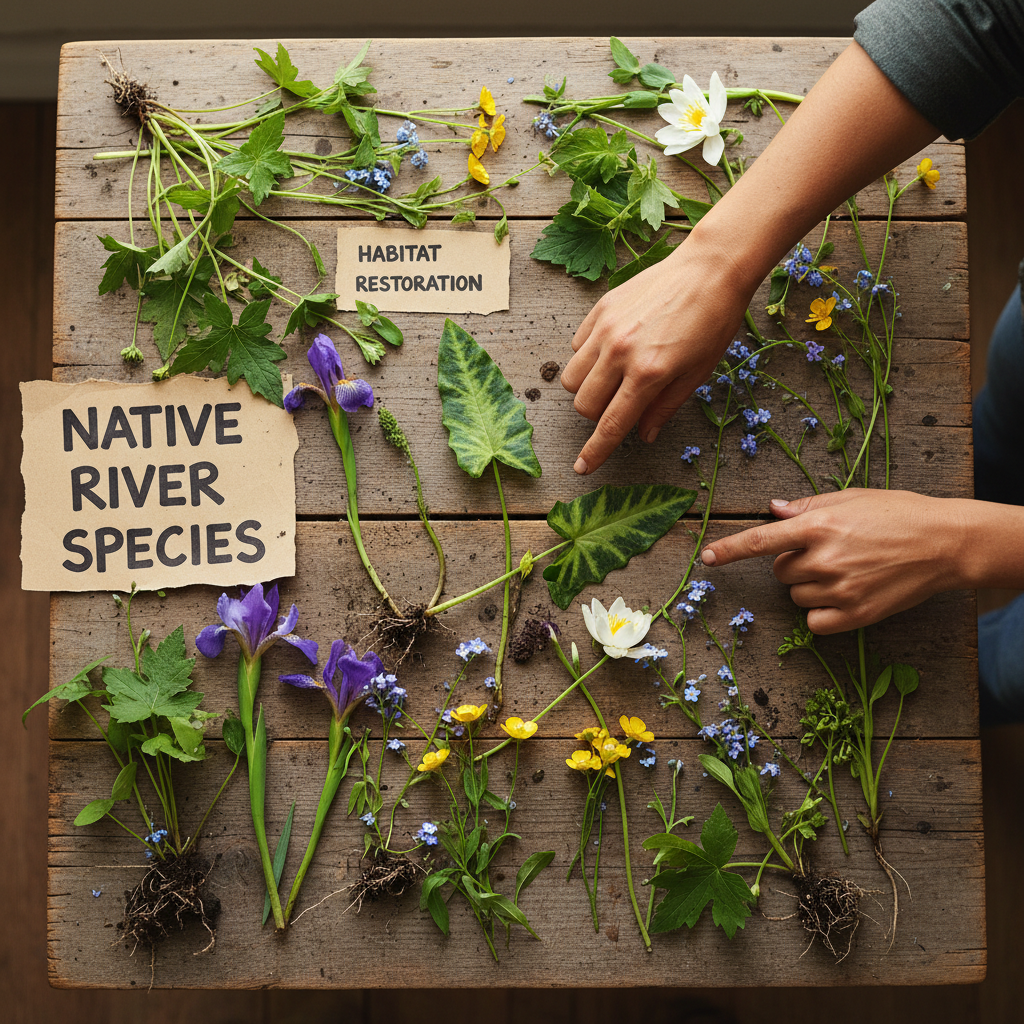
One of the most effective ways to create an eco-friendly landscape is by incorporating native plants. These plants are naturally adapted to Austin's climate and soil conditions, requiring less water and maintenance. Some popular native plants include Texas Sage, Blackfoot Daisy, and Mexican Feathergrass.
By selecting native species, you not only reduce your garden's water needs but also support local wildlife, such as butterflies and bees. This creates a balanced ecosystem right in your backyard.
Benefits of Native Plants
Native plants offer numerous benefits, including:
- Reduced Water Usage: These plants thrive with minimal irrigation.
- Low Maintenance: They are naturally resistant to local pests and diseases.
- Wildlife Support: They provide habitat and food for local fauna.
Water Conservation Techniques
Water conservation is a crucial aspect of eco-friendly landscaping in Austin. Implementing water-saving techniques not only helps the environment but can also lower your water bills. Consider installing a drip irrigation system, which delivers water directly to the roots, minimizing waste.
Another effective method is rainwater harvesting. By collecting rainwater, you can significantly reduce your reliance on municipal water supplies. Additionally, incorporating drought-tolerant plants into your landscape design can further decrease water consumption.
Drip Irrigation and Rainwater Harvesting
Here's how you can get started:
- Install a drip irrigation system to target plant roots directly.
- Set up rain barrels to collect runoff from your roof.
- Use mulch to retain soil moisture and reduce evaporation.

Eco-Friendly Lawn Alternatives
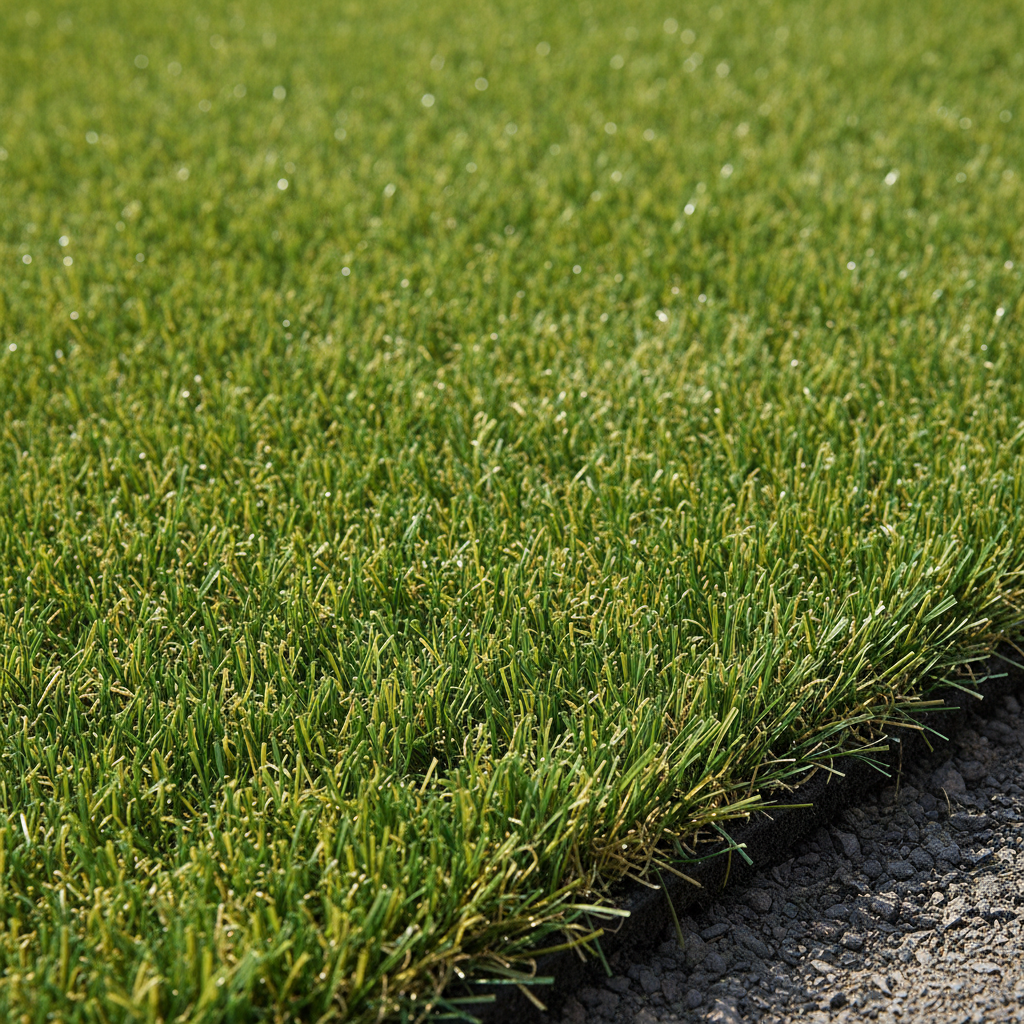
Traditional lawns can be resource-intensive, requiring frequent watering, mowing, and fertilization. Consider replacing your lawn with eco-friendly alternatives such as ground covers, wildflower meadows, or hardscaping elements like gravel paths and stone patios.
These alternatives not only reduce maintenance but also enhance biodiversity and water conservation. Ground covers like clover and creeping thyme are excellent choices that provide lush greenery without the need for constant care.
Benefits of Lawn Alternatives
Replacing a traditional lawn with eco-friendly options offers several advantages:
- Lower Maintenance: Less mowing and fertilizing needed.
- Enhanced Biodiversity: Attracts pollinators and wildlife.
- Water Savings: Reduces irrigation requirements.
Conclusion
Eco-friendly landscaping in Austin is not only a responsible choice but also a rewarding one. By embracing native plants, conserving water, and opting for sustainable lawn alternatives, you can create a vibrant outdoor space that aligns with Austin's environmental values.
Whether you're starting from scratch or modifying an existing landscape, these strategies offer practical solutions for a sustainable garden that thrives in the heart of Texas. Embrace the beauty of nature while making a positive impact on your local environment.