
Transform Your Austin Yard: Expert Landscape Design Insights
Understanding Your Austin Landscape
Transforming your Austin yard begins with understanding the unique characteristics of the local landscape. Austin's climate, with its hot summers and mild winters, plays a critical role in determining the types of plants and materials best suited for your yard. It's essential to consider native plants that thrive in this environment, ensuring a sustainable and low-maintenance garden.
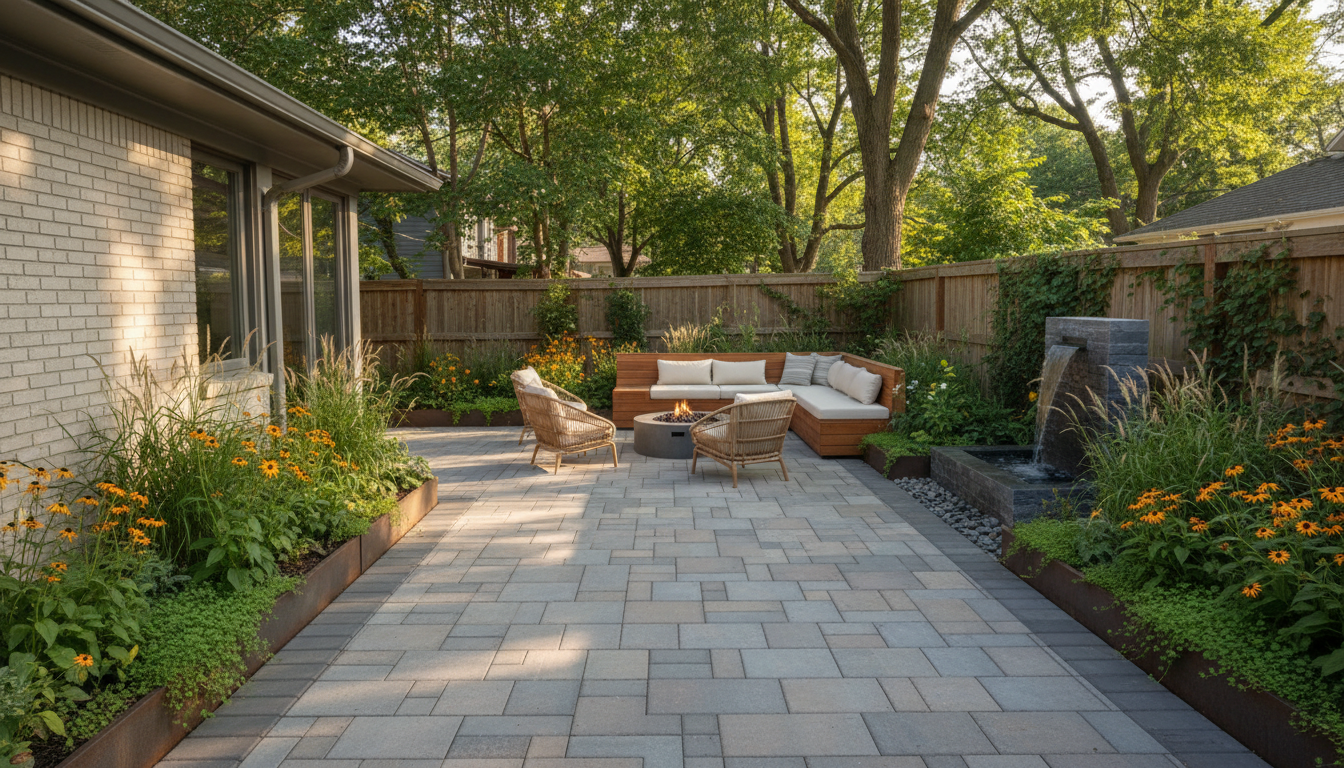
Native plants not only save water but also support local wildlife. Incorporating species such as Texas Sage, Blackfoot Daisy, and the iconic Bluebonnet can enhance the natural beauty of your yard while providing ecological benefits.
Designing with Purpose
When planning your landscape, think about how you want to use your outdoor space. Are you looking to create a tranquil retreat, a space for entertaining, or a play area for children? Each purpose requires different design elements. For example, a serene garden may include water features and shaded seating areas, while an entertainment space might focus on open areas and outdoor kitchens.

Consider using hardscaping elements like stone pathways or wooden decks to define areas within your yard. These features can add structure and lead the eye through your garden, creating a cohesive and inviting space.
Choosing the Right Materials
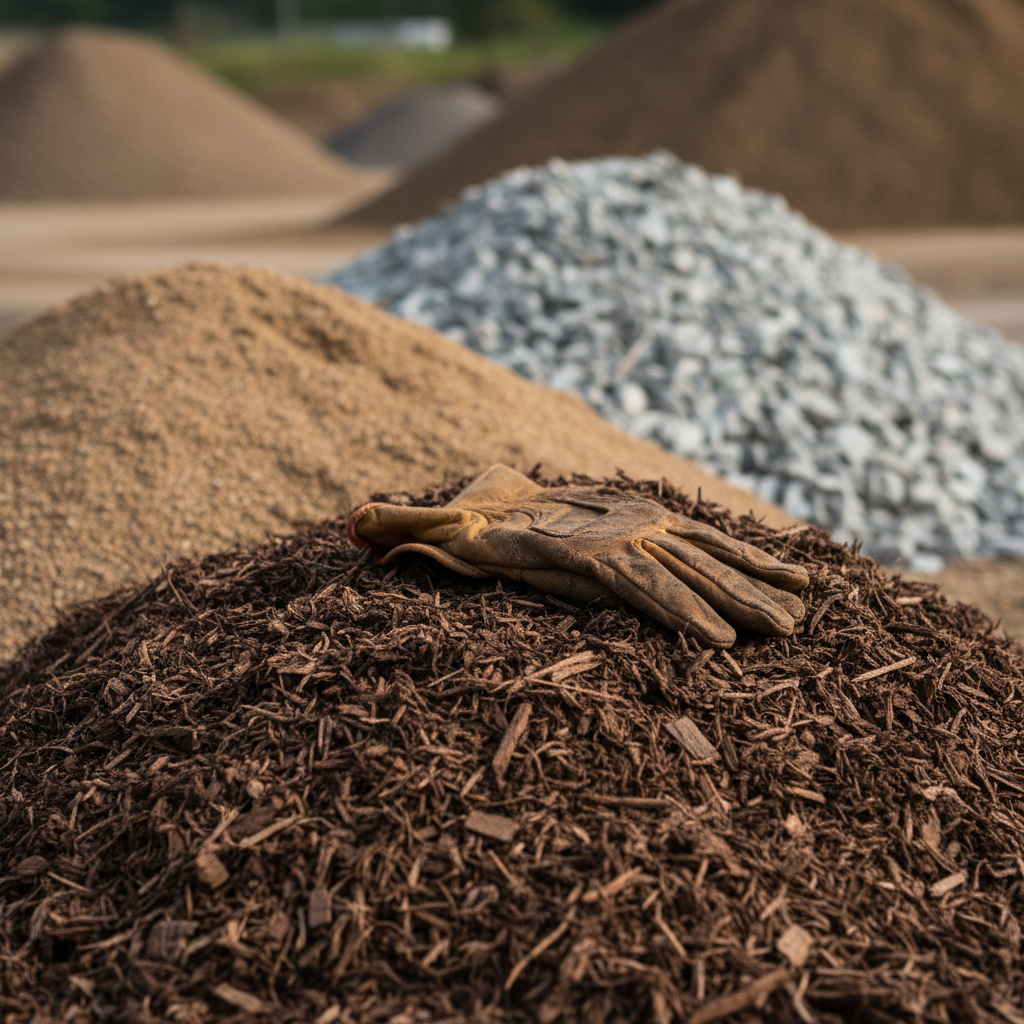
The materials you choose for your landscape can greatly impact its overall look and functionality. In Austin, it's wise to select materials that withstand the intense heat and occasional droughts. Limestone and decomposed granite are popular choices for pathways and patios due to their durability and local availability.
For plant beds, consider using mulch to retain moisture and regulate soil temperature. This not only helps plants thrive but also reduces water usage—a key consideration in Austin's climate.
Incorporating Water-Saving Techniques
Water conservation is crucial in Austin. Implementing efficient irrigation systems, such as drip irrigation, can significantly reduce water waste. Additionally, consider rainwater harvesting systems to collect and store rainwater for future use. These sustainable practices can help maintain a lush and vibrant yard even during dry spells.
Grouping plants with similar water needs can further enhance water efficiency. This strategic planting reduces water consumption and ensures each plant receives adequate hydration.
Adding Personal Touches
Your yard should reflect your personality and lifestyle. Incorporate personal touches like garden art, colorful planters, or unique lighting to make the space truly yours. Adding seasonal plants can also bring dynamic changes throughout the year, keeping your landscape fresh and exciting.
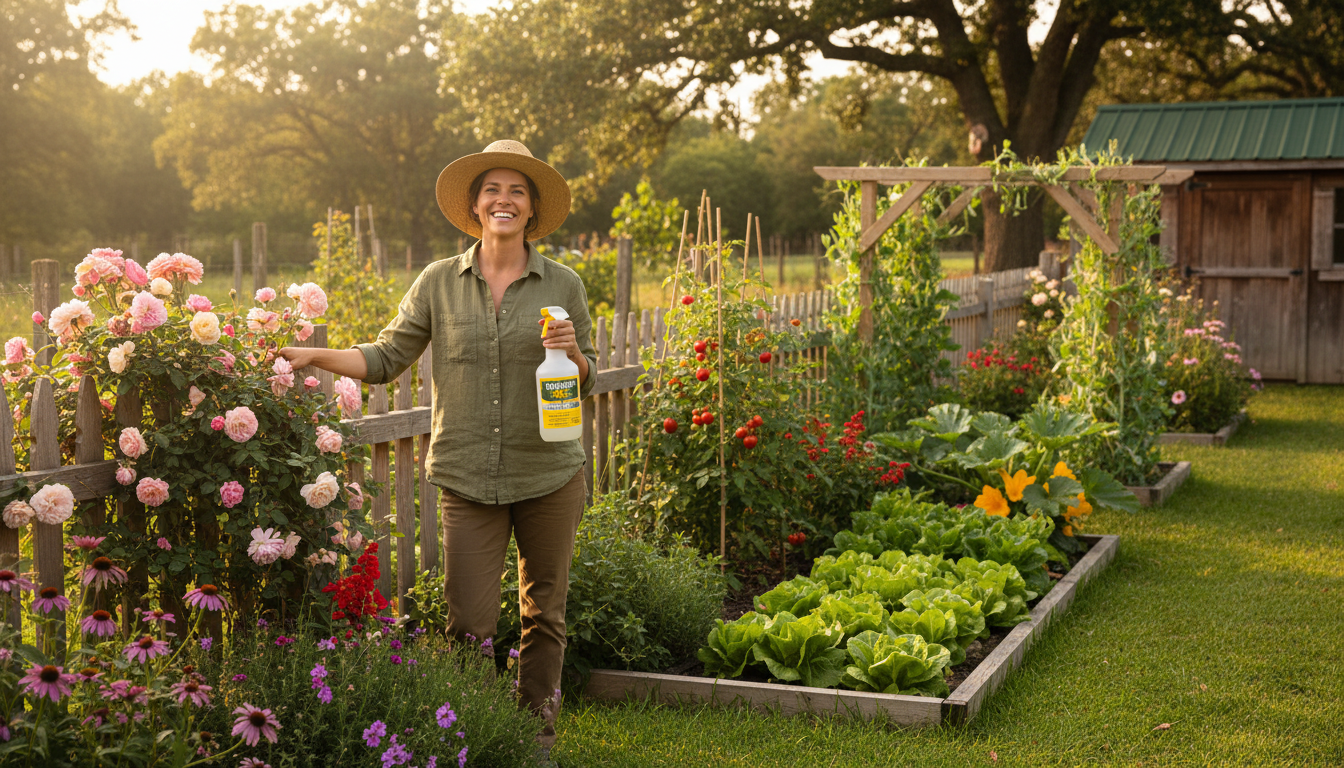
Finally, don’t hesitate to seek professional guidance. Landscape designers offer valuable insights and can help bring your vision to life, ensuring your yard is both beautiful and functional.