
Water-Saving Garden Techniques for Austin Homeowners: A Step-by-Step Guide
Water conservation is crucial for Austin homeowners, especially during the hot summer months. Implementing water-saving garden techniques can help maintain a beautiful landscape while reducing water usage. This guide provides practical steps to create an eco-friendly garden.
Choose Native Plants
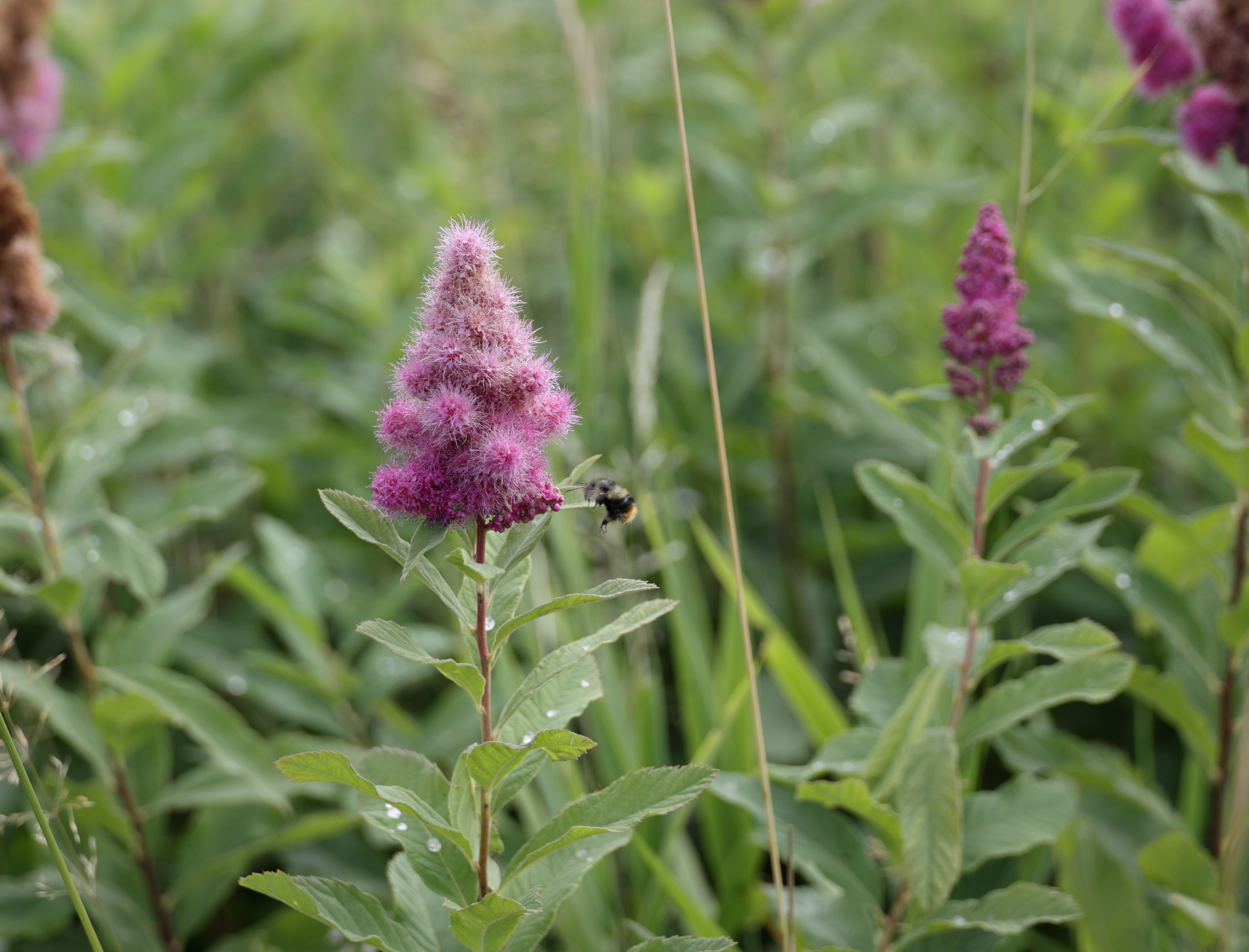
Native plants are well-adapted to the local climate and require less water than non-native species. They are more resistant to drought and pests, making them a sustainable choice for your garden.
Some popular native plants in Austin include:
- Texas Sage
- Blackfoot Daisy
- Flame Acanthus
Implement Xeriscaping
Xeriscaping is a landscaping method that reduces the need for irrigation. By using drought-tolerant plants and efficient design, you can create a garden that thrives with minimal water. Group plants with similar water needs together to optimize irrigation.
Consider using gravel, mulch, or stones to reduce evaporation and maintain soil moisture. These materials not only conserve water but also add texture and color to your garden.
Efficient Irrigation Systems
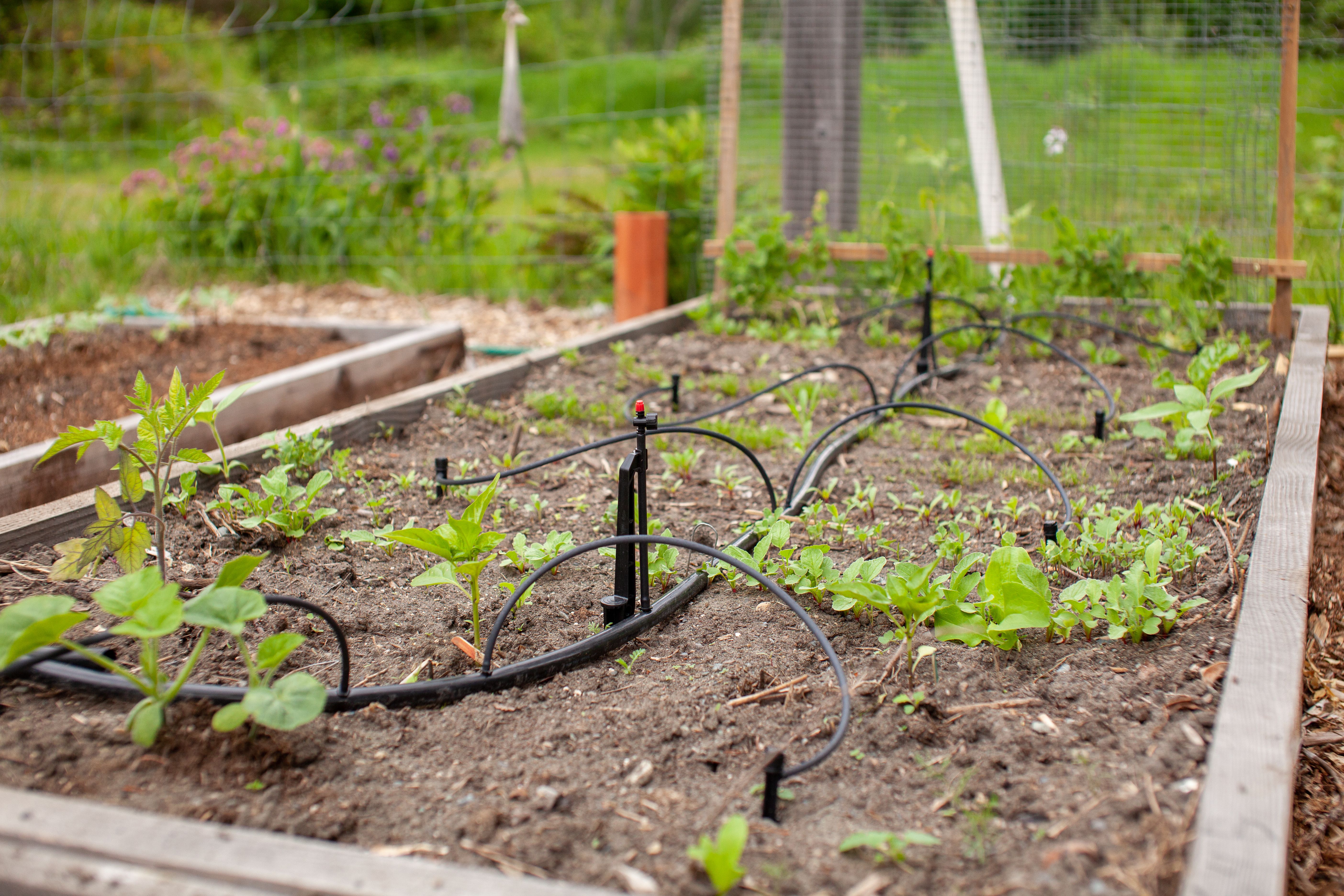
An efficient irrigation system can significantly reduce water waste. Drip irrigation systems deliver water directly to the plant roots, minimizing evaporation and runoff. Use timers or smart irrigation controllers to schedule watering during cooler parts of the day, such as early morning or late evening.
Rainwater Harvesting
Collecting rainwater is a sustainable way to water your garden. Install rain barrels under downspouts to capture rainwater, which can then be used during dry spells. This method not only conserves water but also reduces your utility bills.
Soil Improvement
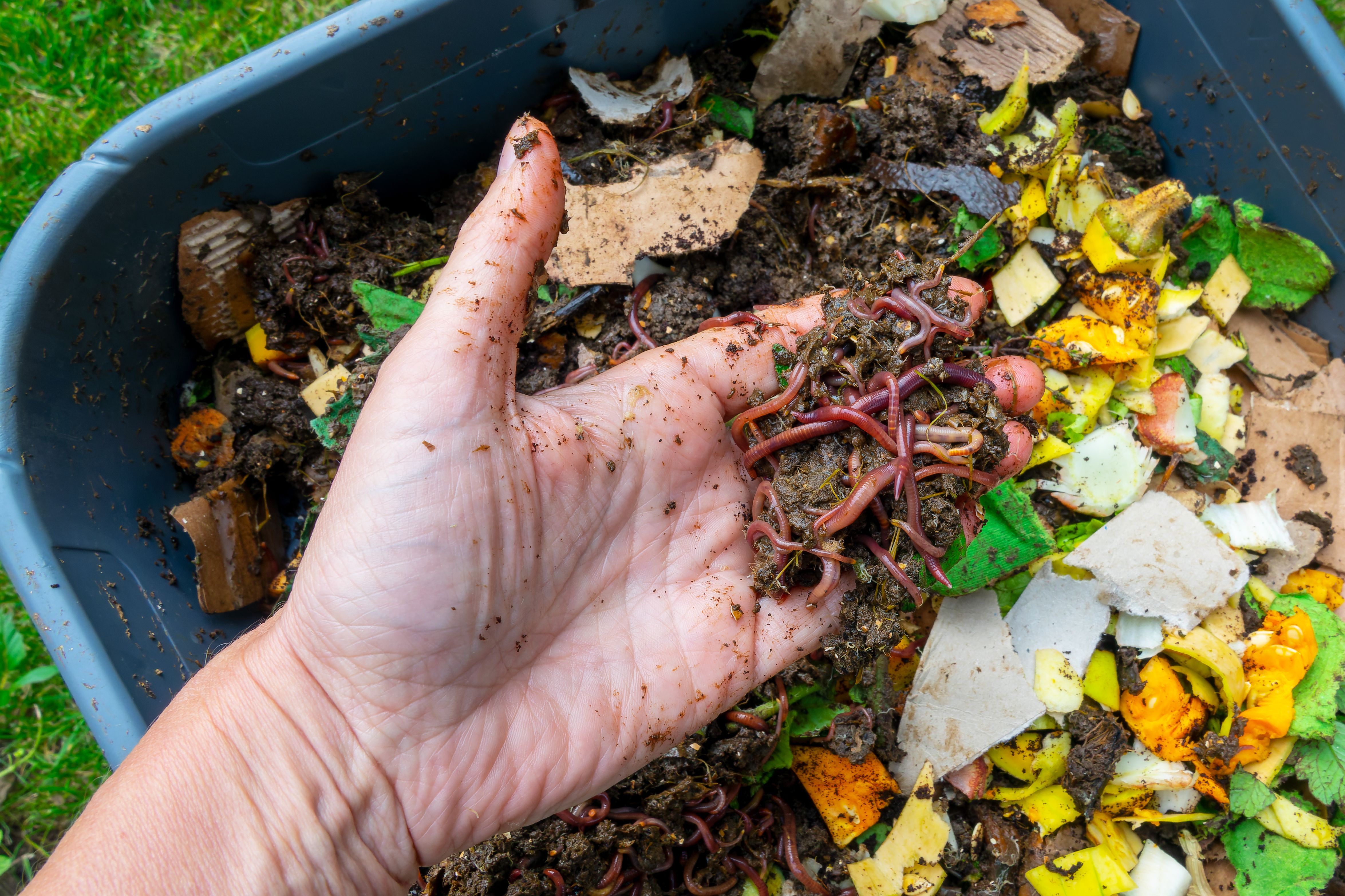
Healthy soil retains moisture better, reducing the need for frequent watering. Improve your soil by adding organic matter such as compost or well-rotted manure. These amendments enhance soil structure, increase nutrient content, and promote water retention.
Mulching
Mulch acts as a protective layer over the soil, reducing evaporation and maintaining consistent soil temperature. Organic mulches, such as wood chips or straw, decompose over time, adding nutrients to the soil. Apply a 2-3 inch layer around plants to maximize benefits.
Regular Maintenance
Regular garden maintenance is key to conserving water. Keep an eye on your plants for signs of stress or disease, and prune them to promote healthy growth. Remove weeds that compete with your plants for water and nutrients.
By following these water-saving techniques, Austin homeowners can create a thriving garden that respects the local environment. Implementing these strategies not only benefits your landscape but also contributes to broader conservation efforts.