
What Are the Best Plants for a Texas Garden? Expert Recommendations
Understanding Texas Climate
Gardening in Texas can be both rewarding and challenging due to its diverse climate. With regions ranging from arid deserts to humid subtropics, plant selection becomes crucial for success. Knowing the specific climate of your area helps in choosing the right plants that can thrive.
North Texas Plants
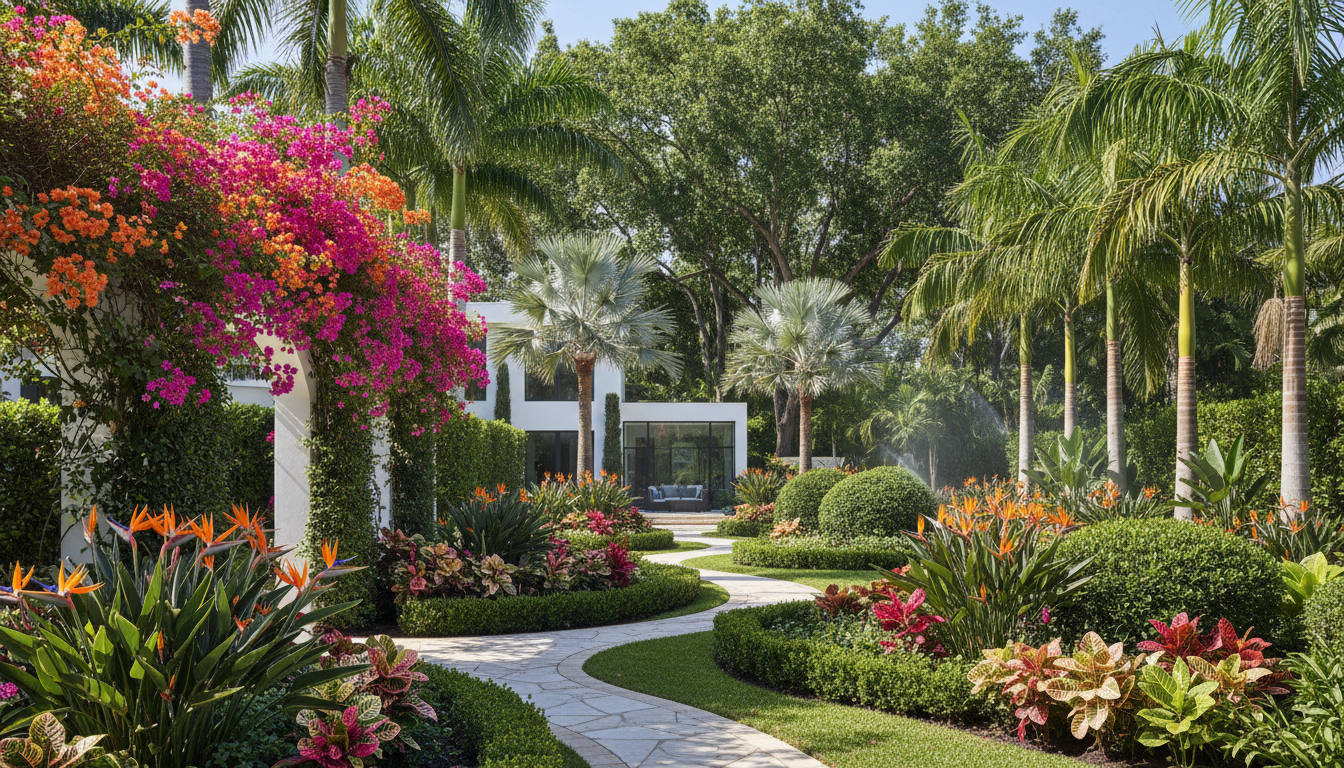
In North Texas, where winters are cooler and summers hot, you need plants that can handle temperature fluctuations. Bluebonnets, the state flower, are a favorite, bringing vibrant colors to gardens in the spring. Indian paintbrush and black-eyed Susan are also excellent choices, providing resilience and beauty throughout the seasons.
Central Texas Choices
Central Texas offers a limestone-rich soil and a moderate climate. Plants like Texas sage and mountain laurel are well-suited for these conditions. These plants not only withstand the heat but also add a lovely fragrance to your garden. The Mexican feather grass provides texture and movement, creating a dynamic landscape.
Plants for South Texas
South Texas is known for its warm climate and longer growing season. Consider planting bottlebrush and esperanza, which flourish in the heat. Additionally, plumbago offers brilliant blue flowers and can handle the intense sun. These plants are not only hardy but also attract hummingbirds and butterflies.
West Texas Selections
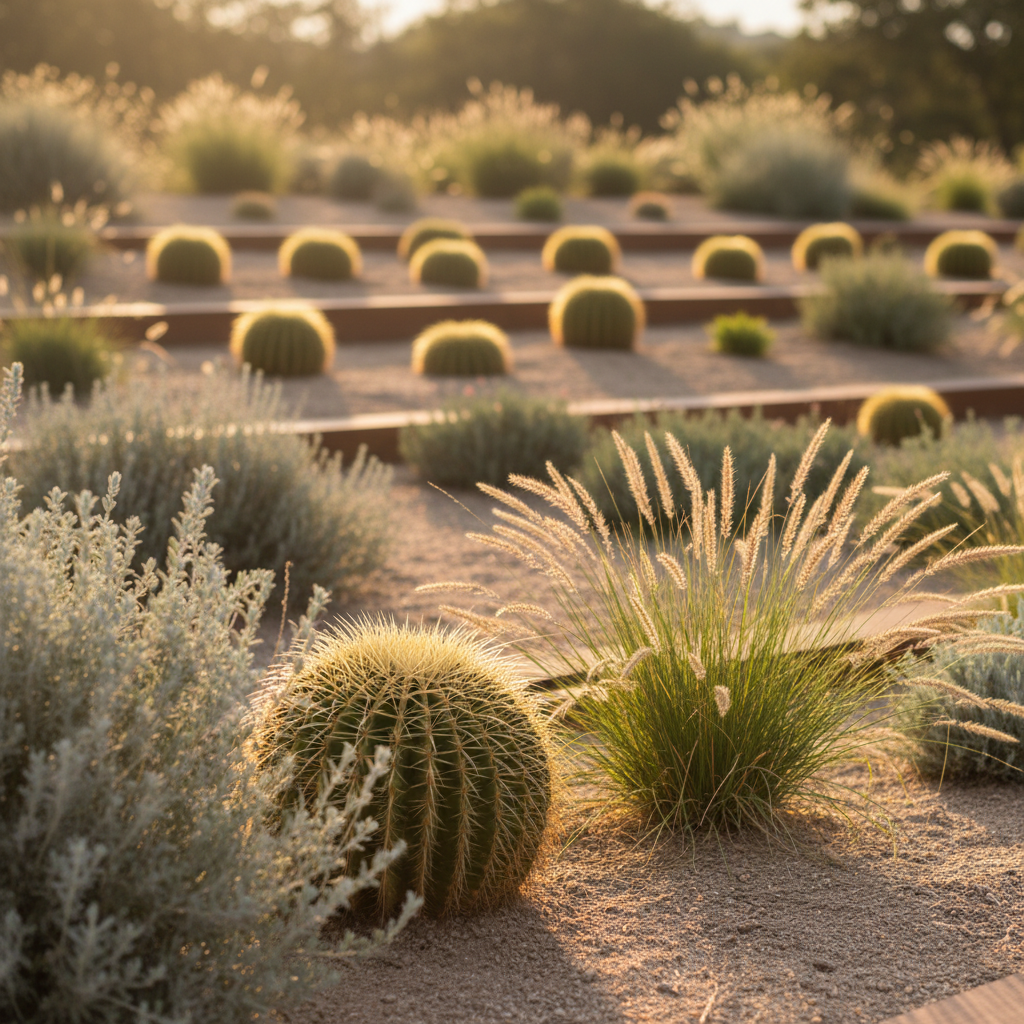
In the arid conditions of West Texas, drought-tolerant plants are a necessity. Yucca and agave thrive in these dry environments, making them ideal for a sustainable garden. Prickly pear cactus is another excellent choice, providing a unique aesthetic and edible fruit.
General Tips for Texas Gardening
Regardless of the region, there are general tips that can enhance your gardening experience in Texas. Soil preparation is key; adding compost can improve soil quality. Mulching helps retain moisture and keep roots cool. Regular watering schedules tailored to your plants' needs will ensure healthy growth.
Using Native Plants
Incorporating native plants in your garden can significantly benefit the local ecosystem. Native plants are adapted to the local climate, require less water, and attract native wildlife. Consider adding plants like Texas lantana and coral honeysuckle to support local pollinators.
Conclusion
Creating a thriving garden in Texas involves understanding your regional climate and selecting plants that are well-suited for your area. By choosing the right plants and following expert recommendations, you can enjoy a beautiful and sustainable garden that enhances your outdoor space. Whether you're in the deserts of West Texas or the lush landscapes of the south, there's a perfect plant palette waiting for you.